If your kid just made the volleyball team, knee pads are one of the first things you’ll need to buy — and one of the easiest to get wrong. A pad that’s too loose slides down mid-dive, and one that’s too tight cuts off circulation or gets abandoned in a gym bag by week two.
This guide walks through what actually matters when buying knee pads for a youth player: sizing, padding density, sleeve length, and a few specific pads worth considering, so you’re not guessing in the sporting goods aisle.
Quick Answer
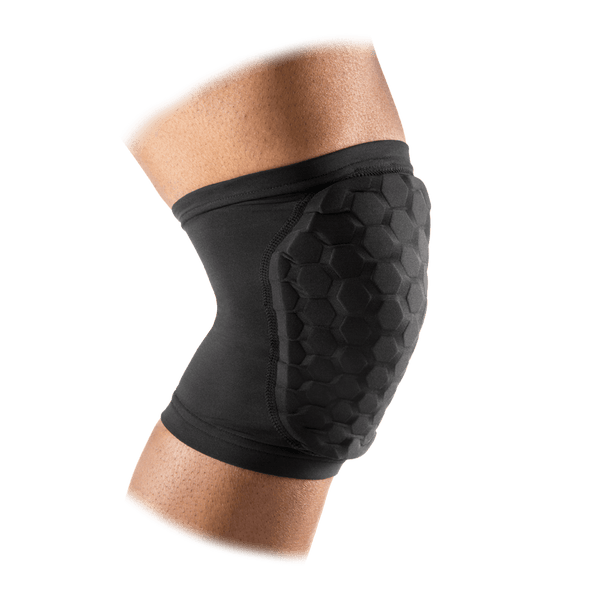
For most youth players, a dedicated youth-sized pad — not a downsized adult one — with a longer sleeve and high-density foam over the kneecap is the safest bet. The Mizuno Youth T10 Plus and Under Armour’s UA Armour 3 Kids’ pad are both built specifically for younger players’ knee circumference and leg length, which matters more for fit and durability than any single brand name.
How to Size Them Correctly
Skip the age-based size chart on the package and measure instead. Most volleyball brands size their pads off a single circumference measurement taken around the kneecap, but the exact spot and knee angle vary by brand, so check the specific chart rather than assuming one method works everywhere. Mizuno, for example, has you bend the knee slightly (roughly 15 degrees) and measure the circumference at the center of the kneecap. Under Armour has you bend the knee closer to 45 degrees and measure the widest part of the knee, directly over the kneecap. A few models use a top-and-bottom measurement instead, so it’s worth reading the fine print on whichever brand’s chart you’re using before you measure.
A properly fitted pad should feel snug enough to stay put through a full sprint and dive without a hand adjustment, but not so tight it leaves a red mark or restricts bending the knee. If your player is between sizes, size down for a snugger, more stable fit rather than up — pads stretch slightly with wear, but they don’t get any tighter.
Watch for ‘one size fits most’ youth pads. They work fine for a lot of kids, but if your player has a noticeably smaller or larger knee circumference than average, a sized pad (small/medium/large) will hold up better over a season than a one-size pad that’s constantly being tugged back into place.
What to Look for Beyond Size
Padding density matters more than thickness. High-density foam over the kneecap absorbs repeated dive impact without flattening out after a few weeks, while soft, low-density foam feels comfortable out of the box but compresses quickly and stops protecting as well. Most quality pads land somewhere around a half-inch to three-quarters of an inch of padding at the center of the knee — enough to cushion a dive without making it hard to bend the leg.
Sleeve length is a real consideration for youth players specifically. A longer sleeve that extends further up the thigh and down the shin distributes the pad’s grip over more skin, which helps it stay in place during a dive and reduces the chafing you get from a short, tight band. Several youth-specific pads (including the Mizuno Youth T10 Plus) are built with a longer sleeve than their adult counterparts for this reason.
Moisture-wicking fabric isn’t just a comfort perk — sweaty, slippery skin makes a pad more likely to slide during play. Look for a compression-knit or HeatGear-style sleeve rather than a plain elastic band. And check the outer material over the kneecap: an abrasion-resistant panel there will hold up much longer on hardwood gym floors than a plain fabric cover.
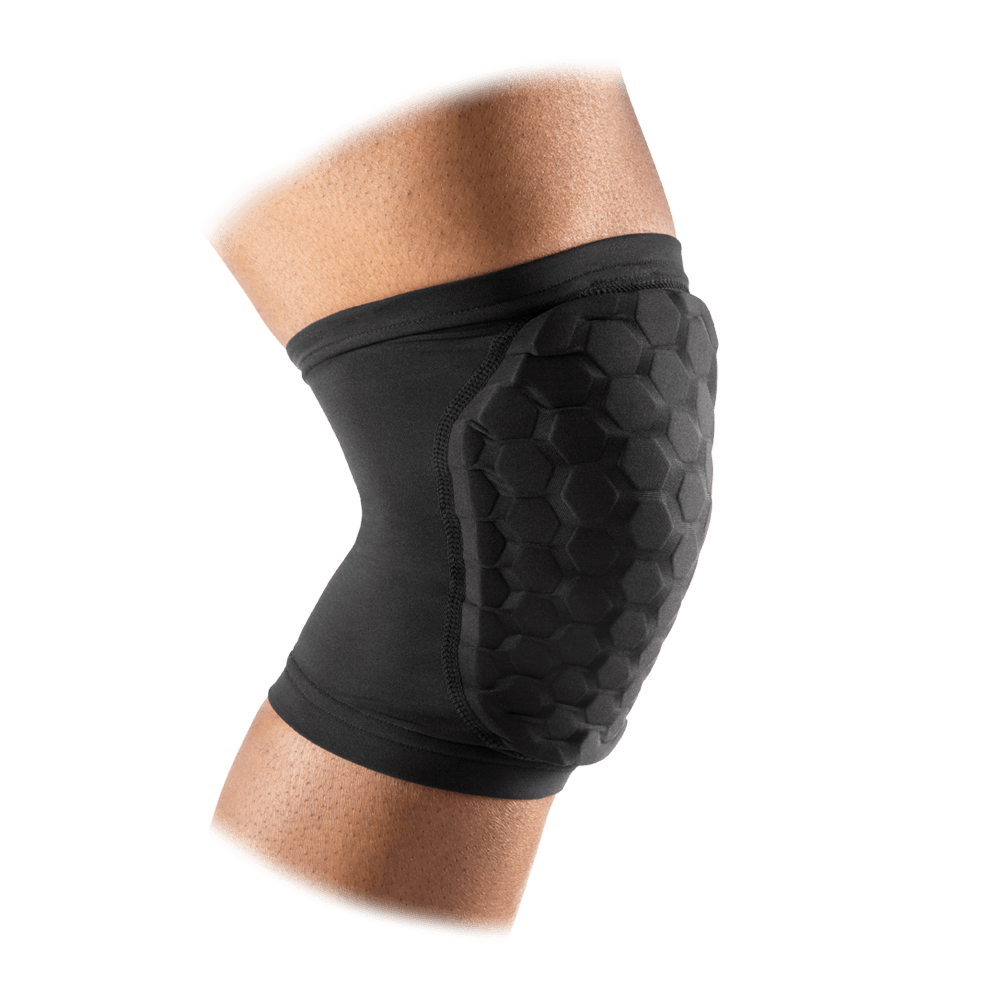
A few specific pads worth comparing: the Mizuno Youth T10 Plus (around $25, one-size, sized for roughly an 11 to 15.5-inch knee circumference, built for ages 8-14) is a genuine youth product rather than a scaled-down adult pad. Under Armour’s UA Armour 3 Kids’ Volleyball Knee Pads offer a dedicated kids’ fit with dual-density padding. McDavid’s Youth HEX Knee/Elbow/Shin Pads use the brand’s closed-cell HEX foam in youth sizing and can double as elbow or shin protection if your player needs that too.
Tips / Common Mistakes
Don’t buy a size up ‘to grow into it.’ A loose pad shifts during play, which defeats the point of wearing one and often gets kids to stop wearing them altogether. Buy for the fit your player has now and expect to replace pads as they grow, typically once or twice a season for a fast-growing kid.
Wash pads regularly by hand or on a gentle cycle and air dry them — heat from a dryer breaks down the foam padding faster than normal wear does. Also plan to replace pads once the foam feels flattened or the sleeve has lost its stretch, even if there’s no visible damage; compressed foam doesn’t cushion impact the way fresh foam does.
If your player wears knee-high socks, check that the pad’s sleeve doesn’t bunch up under or over the sock line — that bunching is a common cause of pads sliding down mid-game. Have your player practice diving in the pads before the first real game so they can get used to the feel and you can catch any fit issues early.
Explore more: More parent guides for youth sports gear.
Youth volleyball knee pads FAQs
How do I know what size knee pads to buy for my child?
Measure the circumference around the kneecap with a soft tape measure, following the specific brand’s instructions for knee bend and measuring point, since these details vary between brands. Don’t rely on age or height alone.
Can my kid just wear a smaller adult knee pad instead of a youth one?
It’s not ideal. Youth-specific pads are built with a knee circumference, sleeve length, and foam placement designed for smaller legs, so a scaled-down adult pad often fits oddly or slides more than a true youth pad.
How long do youth volleyball knee pads usually last?
It depends on play frequency and growth rate, but many players go through a pair every season or two — either because the foam has compressed and lost cushioning or because the child has outgrown the sizing.
Should knee pads be tight or loose?
Snug is the goal — tight enough to stay in place through a dive without a hand adjustment, but not so tight it restricts bending the knee or leaves marks on the skin.
Level Up With SportsSteps
Track your athlete’s progress, connect with coaches and your team, and grow — get the SportsSteps app. Get the SportsSteps App.
Want training tips and sports news in your inbox? Subscribe to the free newsletter.
Images: Mizuno USA.