
A childhood asthma diagnosis doesn’t mean sitting out on sports. In fact, pediatric pulmonologists generally encourage kids with asthma to stay active, since regular exercise strengthens the lungs and improves overall symptom control over time. The trick is choosing activities that work with your child’s airways instead of against them, and having an asthma action plan in place before they hit the field, court, or pool.
This guide breaks down which sports tend to be easiest on asthmatic lungs, which ones warrant extra precautions (and why that doesn’t mean “off-limits”), how to build a coach-ready asthma action plan, and how to time medication and warm-ups so your young athlete can play with confidence.
Quick Answer
Swimming is the sport most often recommended for kids with asthma because the warm, humid air around a pool is gentler on the airways than cold, dry air. Other solid options include baseball or softball, volleyball, gymnastics, golf, dance, and martial arts — all of which combine activity with natural breaks. Sports that demand constant, high-intensity running in cold or dry air (ice hockey, cross-country skiing, distance running, soccer, basketball) are more likely to trigger exercise-induced bronchoconstriction, though kids can usually still play them with proper medication, a longer warm-up, and a written asthma action plan.
Sports Pulmonologists Tend to Recommend
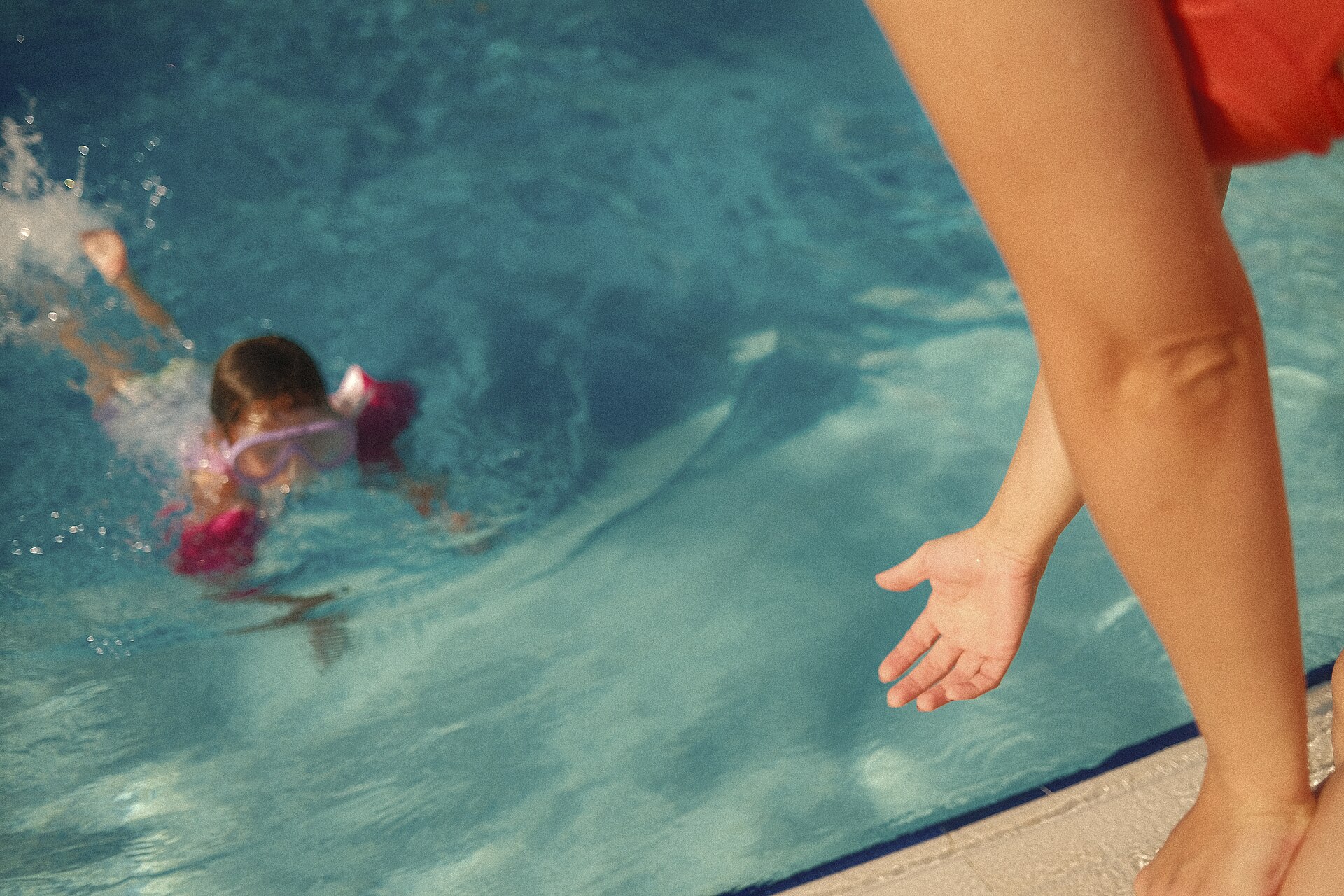
Swimming consistently comes out on top. The moist, warm air at pool level helps keep airways open, and the horizontal body position combined with rhythmic breathing patterns can actually help train breath control. Research on swim training in children with stable asthma has shown it’s well tolerated and can improve fitness and lung function over time. One caveat: heavily chlorinated indoor pools release trichloramine, a byproduct that can irritate sensitive airways, so a well-ventilated facility or saltwater pool is worth seeking out if chlorine seems to be a trigger.
Baseball and softball are asthma-friendly because they naturally build in rest between innings and at-bats rather than requiring continuous cardio output. Volleyball follows the same pattern — short rallies followed by a pause — which makes it one of the lower-risk team sports for kids with reactive airways.
Gymnastics, golf, dance, and martial arts (karate, taekwondo) are frequently recommended too. All of them emphasize controlled breathing, pacing, and short bursts of exertion followed by recovery — a rhythm that’s much easier on sensitive airways than nonstop running. Walking, hiking, and recreational biking round out the list as excellent low-pressure options, since pace can be adjusted on the fly and there’s no need for sudden sprinting.
Sports That Need Extra Precautions
Soccer, basketball, and long-distance running top most pulmonologists’ lists of sports most likely to trigger exercise-induced bronchoconstriction (EIB), simply because they demand continuous movement with very few natural breaks. Ice hockey, ice skating, and cross-country skiing add a second trigger on top of that: cold, dry rink or outdoor air, which research increasingly points to as the bigger irritant — more than the cold itself. Indoor ice rinks carry an extra wrinkle, too, since exhaust from ice-resurfacing machines can add pollutants to already-dry air.
None of this means these sports are off-limits. Many elite athletes, including Olympic medalists, compete at the highest level with asthma. It just means these activities call for a solid management plan: a prescribed quick-relief inhaler used shortly before activity, a longer warm-up than usual, and close coordination with a pediatrician or pulmonologist on medication timing. Plenty of kids with well-controlled asthma play soccer, basketball, or hockey for years without issue once that plan is dialed in.
Building an Asthma Action Plan for Practices and Games
Every young athlete with asthma should have a written asthma action plan — a one-page document from their doctor that spells out daily medications, warning signs of a flare-up, and exactly what to do if symptoms start during play. Share a copy with every coach, athletic trainer, and team parent at the start of each season, not just the first week of school.
A simple coach information card helps, too: list the child’s known triggers, what their symptoms look like when airways are tightening (coughing, chest tightness, or getting unusually winded compared to teammates), where their rescue inhaler is kept during practice, and an emergency contact number. Ask coaches to allow a longer warm-up and cool-down for your child specifically, and to treat frequent mid-practice symptoms as a reason to pause and use the rescue inhaler, not push through.
Medication Timing and Warm-Up Strategy
If a pulmonologist has prescribed a quick-relief (rescue) inhaler for exercise-induced symptoms, it’s typically used roughly 15-30 minutes before activity, where it generally helps prevent symptoms for two to four hours. This is a preventive step taken whether or not the child feels any symptoms yet — not something to save for after coughing starts. Always follow the exact timing and dosage on your child’s specific asthma action plan rather than a general rule, since controller medications and individual plans vary.
Pair that medication timing with a real warm-up: roughly 10-15 minutes of gradually building activity, starting with easy movement and working up toward game intensity. A proper warm-up helps prepare the airways for harder exercise and can blunt the drop in lung function that triggers symptoms once full-speed play begins. In cold weather, breathing through the nose and covering the mouth with a buff or scarf can help pre-warm the air before it reaches the lungs.
Tips for Keeping Young Athletes Safe
Keep quick-relief medication on hand at every practice and game — in a backpack, not just a locker at home — and confirm the coach knows exactly where it is and when to use it.
Watch the environment, not just the sport. High pollen counts, poor outdoor air quality days, and very cold or dry air can make any activity riskier, regardless of which sport it is. On bad air days, consider moving practice indoors or shortening session length.
Don’t skip the follow-up. If a child is having frequent symptoms during sports despite using their inhaler as directed, that’s a sign asthma control needs to be reassessed with their doctor — not a sign they need to quit the sport.
Photos
best sports for kids with asthma FAQs
Can a child with asthma play any sport they want?
In most cases, yes — with well-managed asthma and a written action plan, kids can participate in nearly any sport, including cold-weather and endurance sports like hockey or soccer. Some sports are simply easier on the airways than others, which is why swimming and other lower-continuous-exertion activities are often recommended as a starting point for newly diagnosed kids.
What are the worst sports for a child with asthma?
Sports that combine constant running with little rest tend to be the most challenging: soccer, basketball, and long-distance running. Cold-weather sports like ice hockey, ice skating, and cross-country skiing add a second trigger because dry, cold air irritates the airways on top of the nonstop exertion. These sports aren’t off-limits, but they usually need a longer warm-up, pre-exercise medication, and closer monitoring.
Why is swimming so often recommended for asthmatic kids?
The warm, humid air around a pool is easier on the airways than the cold, dry air associated with many outdoor and indoor sports, which lowers the chance of triggering exercise-induced bronchoconstriction. The one exception to watch for is heavily chlorinated indoor pools, which can irritate airways in some kids sensitive to chlorine byproducts.
Should my child use their inhaler before playing sports even if they feel fine?
If a doctor has prescribed a quick-relief inhaler for exercise-induced symptoms, it’s typically used about 15-30 minutes before activity as a preventive step, not just after symptoms start. Follow your child’s specific asthma action plan for exact timing and dosage.
What should be in my child’s asthma action plan for coaches?
A sports-ready asthma action plan should list daily and pre-exercise medications, the child’s specific warning signs of a flare-up, where their rescue inhaler is kept during practice, known triggers (cold air, pollen, chlorine, etc.), and emergency contact information. Share it with every coach at the start of the season and review it again if symptoms change.
Are cold-weather sports really off-limits for kids with asthma?
Not necessarily off-limits, but they do require more precaution. Cold, dry air is a common trigger — more so than the cold itself — so sports like ice hockey or ice skating may need a longer warm-up, indoor conditioning in the off-season, and closer medication management with a pulmonologist.
Level Up With SportsSteps
Track your athlete’s progress, connect with coaches and your team, and grow — get the SportsSteps app. Get the SportsSteps App.
Want training tips and sports news in your inbox? Subscribe to the free newsletter.