
Every parent on the sideline eventually asks the same question: is this coach actually good for my kid? It’s a harder call than it sounds, because a coach can rack up wins and still leave players anxious, or lose every game and still build kids up. Scoreboards and win totals don’t tell you what you actually need to know.
This guide breaks down the concrete, observable signs of a good youth coach — what to watch for at practice, how they talk to kids, and how they handle mistakes and conflict — plus the red flags that mean it’s time to say something or move your child to a different team.

Quick Answer
A good youth sports coach prioritizes effort, learning, and enjoyment alongside winning, communicates clearly and respectfully with kids and parents, treats every player fairly regardless of skill level, and stays calm under pressure instead of venting frustration on players or officials. If your child leaves practice more confident than when they arrived, that’s usually the clearest sign of all.
What Good Coaching Actually Looks Like
Watch how the coach defines success. The Positive Coaching Alliance, a nonprofit that trains youth coaches nationwide, calls this the ‘Double-Goal Coach’ approach: a good coach still wants to win — that’s the first goal — but treats an even more important second goal as teaching life skills like teamwork, perseverance, and how to handle setbacks through what happens on the field. In practice, that means a good coach talks about effort, learning, and how a player responds to mistakes at least as much as they talk about the final score, and never sacrifices those lessons just to win a game.
Listen to the feedback-to-criticism ratio. PCA’s coaching model encourages coaches to aim for roughly five specific pieces of praise for every piece of constructive criticism — not empty cheerleading, but specific, honest recognition of what a kid did well before pointing out what to fix. If you only ever hear corrections and never hear a kid’s effort acknowledged, that’s worth noting.
Check whether playing time and attention are distributed fairly. A good coach gives the less-skilled kids real instruction, not just minutes at the end of a blowout. Watch a full practice, not just a game — that’s where you see whether every player is actually being coached, or whether only the top few get the coach’s attention.
Notice how the coach handles mistakes in real time. Do they yell, bench a kid in visible anger, or single someone out in front of the team? Or do they correct calmly, in the moment or right after, in a way the kid can actually use? A coach who treats an error as a teaching moment rather than a failure is doing their job well.
Pay attention to communication with parents. Good coaches set expectations early (practice schedule, playing-time philosophy, how to raise a concern) and respond to reasonable questions without getting defensive. Poor communication is consistently flagged by youth sports organizations as one of the first signs of a coaching problem, because it usually means other issues are being hidden rather than addressed.
Questions to Ask and Things to Check
Ask about qualifications, but don’t stop there. Many leagues require coaches to complete a basic certification — for example, through the National Alliance for Youth Sports (NAYS), which runs general and sport-specific coaching courses — and to pass a background check. It’s reasonable to ask your league whether coaches are certified and screened; a league that can’t answer clearly is itself a red flag.
Ask your child directly, and ask open questions rather than leading ones. ‘What did your coach say today?’ or ‘What’s the best part of practice?’ tends to surface more than ‘Do you like your coach?’ Kids will often describe a coach’s behavior accurately even when they don’t have the words to judge whether it’s healthy.
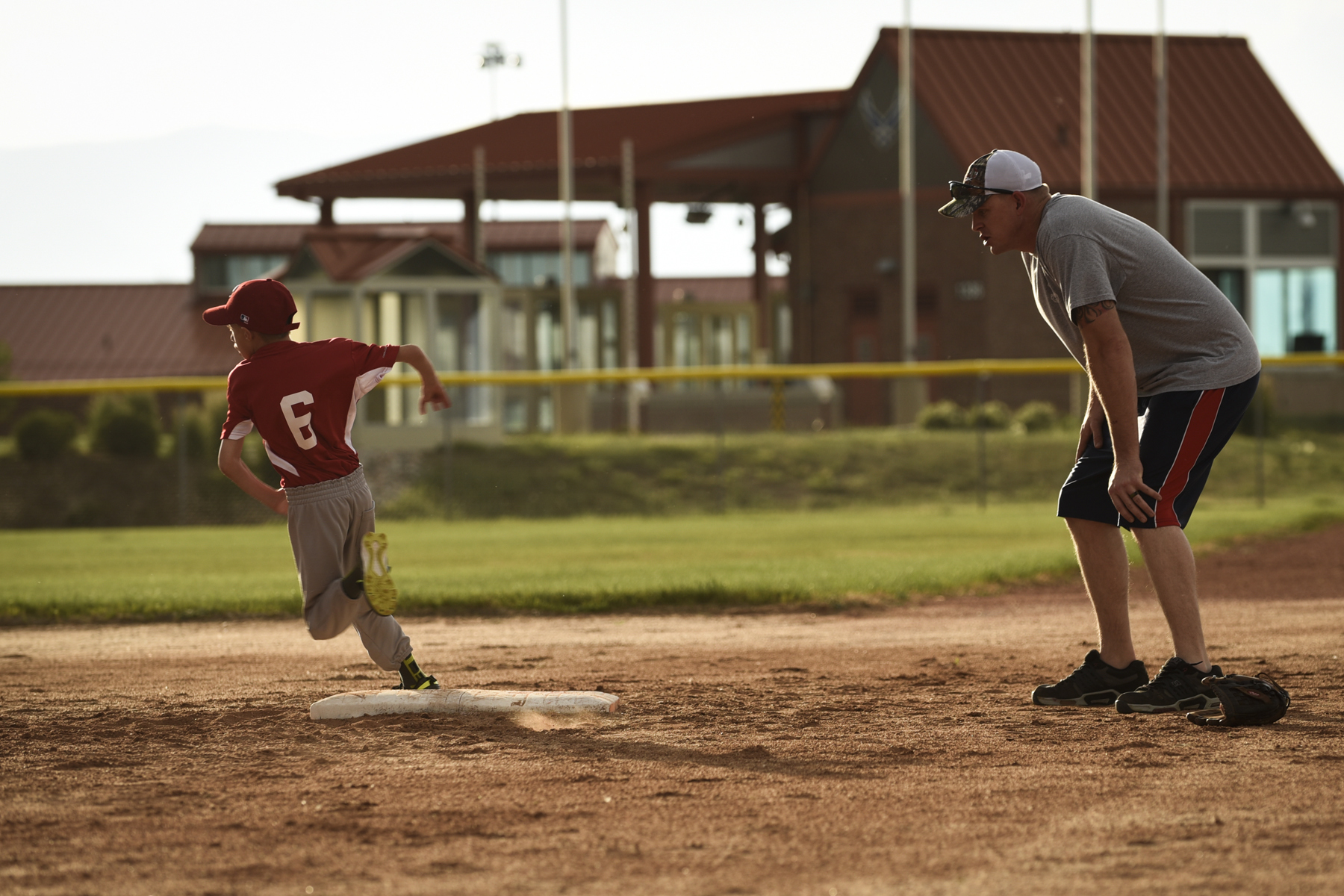
Watch a practice, not just a game. Games are performance; practice is where a coach’s real priorities and temperament show up, since there’s less pressure and an audience of parents watching. If you can, sit through an entire practice at least once a season.
Ask how the coach handles injuries and fatigue. A good coach errs on the side of caution, follows return-to-play guidance rather than pushing a player back in, and never pressures a kid to play through pain. Coaches who push injured or exhausted kids to keep going are one of the most serious red flags in youth sports, since it puts a child’s health at real risk for the sake of a game.
Tips and Common Mistakes
Don’t judge a coach purely on win-loss record. A team that loses a lot but keeps kids engaged, improving, and excited to come back next season is being coached well. A team that wins constantly but has kids dreading practice is not.
Don’t wait for a big blowup before raising a concern. If something feels off — a comment that stung, playing time that seems arbitrary, a pattern of frustration directed at kids — bring it up early and directly with the coach, calmly and privately, rather than letting it build.
Don’t confuse strictness with poor coaching, or friendliness with good coaching. High standards and real accountability are part of good coaching; the difference is whether it’s paired with respect and encouragement, not whether the coach is tough.
Watch for coaches who change teams or leagues almost every season. It’s not disqualifying on its own, but a pattern of short stints is worth a quiet question or two, since it can be a sign of recurring conflict.
If your league has a way to give season-end feedback on coaches, use it — specific and constructive, not just a rating. It’s one of the few tools parents collectively have to keep coaching quality high across a league.
Explore more: more youth sports guides for parents.
Good youth sports coach FAQs
What are the biggest red flags of a bad youth sports coach?
Pushing kids to play through injury or exhaustion, yelling at or humiliating players (especially in front of teammates), an almost exclusive focus on winning over development, unequal attention or playing time with no explanation, and poor or defensive communication with parents.
Should I talk to the coach directly if I have a concern?
Yes, in most cases — raise it privately and calmly with the coach first, focusing on specific behavior rather than general complaints. If the issue involves safety, harassment, or the coach won’t engage constructively, escalate to the league or club administrator.
Does a coach need to be certified to coach youth sports?
It depends on the league. Many recreational and club leagues require a basic certification (such as through the National Alliance for Youth Sports) and a background check, but requirements vary widely by sport, age group, and organization, so it’s worth asking your league directly.
Is it a bad sign if my child doesn’t get much playing time?
Not automatically — at more competitive travel or club levels, playing time is often tied to skill and role. It becomes a concern when there’s no clear explanation, the same kids never get a fair shot regardless of effort, or the reasoning changes depending on who asks.
How can I tell if my child actually likes their coach?
Ask open-ended questions after practice instead of yes/no ones, and watch their body language on the way to and from practice. Kids who enjoy their coach usually talk about specific moments or jokes unprompted; reluctance to go, or a flat ‘it was fine’ every time, is worth a closer look.
Level Up With SportsSteps
Track your athlete’s progress, connect with coaches and your team, and grow — get the SportsSteps app. Get the SportsSteps App.
Want training tips and sports news in your inbox? Subscribe to the free newsletter.
Photo: Marcus Cyron / CC BY-SA 3.0, via Wikimedia Commons.