Walk into any sporting goods store before the season starts and you’ll see a wall of gear promising to make your kid faster, safer, or more coachable. Some of it matters. A lot of it is margin for the store, not performance for your child.
This checklist splits youth sports gear into what’s actually required for safety and league rules, and what’s optional marketing that preys on parents who don’t want to seem like they’re cutting corners. It draws on current NOCSAE (National Operating Committee on Standards for Athletic Equipment) certification rules, league equipment policies, independent helmet safety testing, and sizing guidance from gear makers, so you can shop with a plan instead of a guilt trip.
Quick Answer
The non-negotiables are: properly fitted, sport-certified protective gear (helmets, mouthguards, shin guards, cups) that meets your league’s safety standard, and footwear that follows your league’s cleat rules. Everything else — branded bags, ‘performance’ compression layers, recovery tools, and skill-training gadgets — is optional and can wait until you know your child will stick with the sport.
What’s Actually Required (Safety and League Rules)
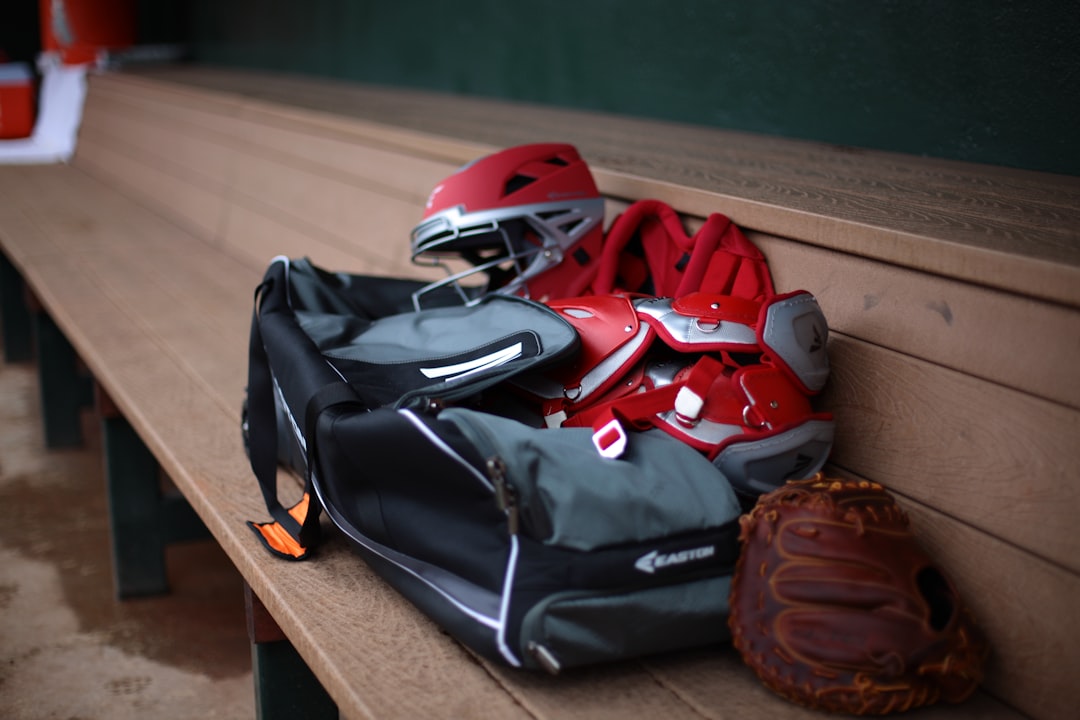
Helmets, where the sport requires one, need to carry the right certification and fit correctly — a loose or hand-me-down helmet with unknown impact history isn’t a safe substitute for one sized to your child’s head. For football, look for the NOCSAE seal; NOCSAE has also finalized ND006, the first-ever performance standard specifically for youth football helmets (built around a lighter maximum weight and impact testing calibrated for younger players), with an effective date of September 1, 2027, so newer youth-specific helmets are increasingly available and worth asking about by name.
For baseball and softball, batting helmets should carry NOCSAE certification, and if you’re buying used, check whether that model is eligible for official reconditioning and recertification (governed by NOCSAE’s ND026 standard) — many batting, catcher’s, and lacrosse helmets are not eligible for recertification at all, which is a good reason to be cautious about secondhand ones with an unclear history.
Mouthguards matter for any contact sport (football, hockey, lacrosse, and many leagues also require them for basketball or wrestling). A cheap boil-and-bite guard that’s properly molded to your child’s mouth protects better than an expensive one that’s never been fitted — take the extra five minutes on the boil-and-bite step instead of upgrading to a pricier guard.
Shin guards for soccer should be sized by shin length, not age alone: measure from just below the knee to just above the ankle, add about an inch of clearance top and bottom, and match that to the brand’s chart (roughly 6-8 inches for the youngest players up to 11.5-13 inches for older teens, though sizing varies by brand). A guard that rocks side to side is too wide; one that keeps sliding down is too long.
Cleats have to match your league’s rules, not just the sport. Most youth baseball organizations, including Little League at the younger divisions, prohibit metal spikes and only allow them starting around the Intermediate/Junior/Senior divisions (roughly age 13 and up), with the exact cutoff set by each league. Softball rules vary by sanctioning body and age bracket too. Check your league’s official equipment rules before buying cleats — molded rubber or turf cleats are the safe default for younger players regardless of what’s marketed as ‘competition’ footwear.
What Brands Push That You Can Usually Skip
Branded team bags, bat sleeves, and matching accessory sets are convenience items, not performance items — a generic duffel does the same job for less money. Save the branded gear for a child who’s already committed to the sport for multiple seasons.
‘Pro-level’ or ‘compression’ base layers marketed for kids rarely deliver a meaningful benefit at youth-league intensity; a moisture-wicking shirt from any athletic brand does the job. Recovery gadgets (massage guns, cryo sleeves, specialty tape systems) are built around adult and competitive-athlete marketing and are almost never necessary for recreational or school-age youth sports.
Skill-training tools — weighted bats, resistance parachutes, reaction-light trainers — can help a motivated older athlete, but they’re frequently oversold to parents of younger kids as shortcuts to improvement that coaching and repetition actually provide better and for free.
Don’t assume the priciest helmet or cleat on the shelf buys extra safety — a lot of that price difference is comfort, weight, or cosmetic branding. But don’t assume the opposite either: NOCSAE and similar certifications are pass/fail minimums, not a guarantee that every certified model performs the same. For football helmets specifically, independent programs like Virginia Tech’s STAR ratings test certified helmets against each other and find real differences in concussion-risk performance between models — including among ones that all carry the same certification. When a STAR-type rating exists for a helmet, use it to compare certified options; where it doesn’t (most baseball, shin guard, and cup gear), correct fit and certification remain your best available signal.
Tips and Common Mistakes
Buying safety gear at the top of a growth spurt is a common mistake — a helmet or shin guard that fits perfectly in August can be too small by the following spring. Re-check fit at the start of every season rather than assuming last year’s gear still works.
Be cautious with used protective gear from yard sales, hand-me-downs, or resale sites unless you can verify it hasn’t been in a hard impact and, for helmets, whether it’s still within the manufacturer’s recommended service life. A helmet’s foam liner and shell can degrade from age, heat, and sun exposure even without a visible crash — if there’s no way to confirm history, it’s not worth the risk for a helmet or batting helmet specifically.
Don’t skip the boil-and-bite step on mouthguards or the sizing chart on shin guards to save time — an unfitted guard that slips or shifts during play defeats the purpose of having it.
Check your specific league’s equipment rules before every purchase, not just general sport rules — cleat restrictions, bat certifications (like USA Baseball or USSSA stamps), and helmet requirements can differ by league and age division even within the same sport.
Explore more: more youth sports guides.
Youth Sports Gear Checklist FAQs
Do I need to buy brand-new protective gear every season?
Not necessarily, but you do need to re-check fit and condition every season. Helmets, shin guards, and cups all need to match your child’s current size, and helmets specifically should have a known history — avoid used helmets when you can’t confirm they haven’t taken a hard impact.
How do I know if a used helmet is safe to buy?
Look for an intact NOCSAE certification sticker, ask the seller for the helmet’s age and history, and check whether the model is eligible for official reconditioning and recertification if it’s a baseball, softball, football, or lacrosse helmet. If you can’t verify the history, treat it as a pass rather than a bargain.
At what age can kids wear metal cleats in baseball or softball?
Most youth leagues, including Little League, prohibit metal cleats through the younger divisions and start allowing them around the Intermediate, Junior, or Senior divisions — generally near age 13, though the exact age varies by league and by whether it’s baseball or softball. Always confirm with your specific league before buying.
Is expensive gear actually safer than budget gear?
Not automatically, and it’s not just about price. Certification (like NOCSAE) is a pass/fail minimum standard — it confirms a helmet met a required threshold, not that every certified model protects equally well. For football helmets, independent testing such as Virginia Tech’s STAR ratings shows real performance differences between certified models, so it’s worth checking those ratings when they exist rather than assuming a higher price or a certification sticker alone means better protection. Correct fit still matters enormously no matter what you buy.
Level Up With SportsSteps
Track your athlete’s progress, connect with coaches and your team, and grow — get the SportsSteps app. Get the SportsSteps App.
Want youth sports news in your inbox? Subscribe to the free newsletter.
Photo by Kenny Nguyễn on Unsplash.