
Your kid just signed up for their first season of soccer, tee-ball, or swim team, and you’re realizing nobody handed you a manual. Between practice schedules, gear lists, unwritten sideline etiquette, and figuring out what to actually say after a rough game, the learning curve for new sports parents is steeper than it looks from the outside.
This guide covers what experienced sports parents and youth-sports organizations consistently say they wish someone had told them on day one: how to set expectations, what to say (and not say) in the car ride home, how to read a coach’s communication style, and the mistakes that quietly burn kids out before they’ve even decided if they like the sport.
Quick Answer
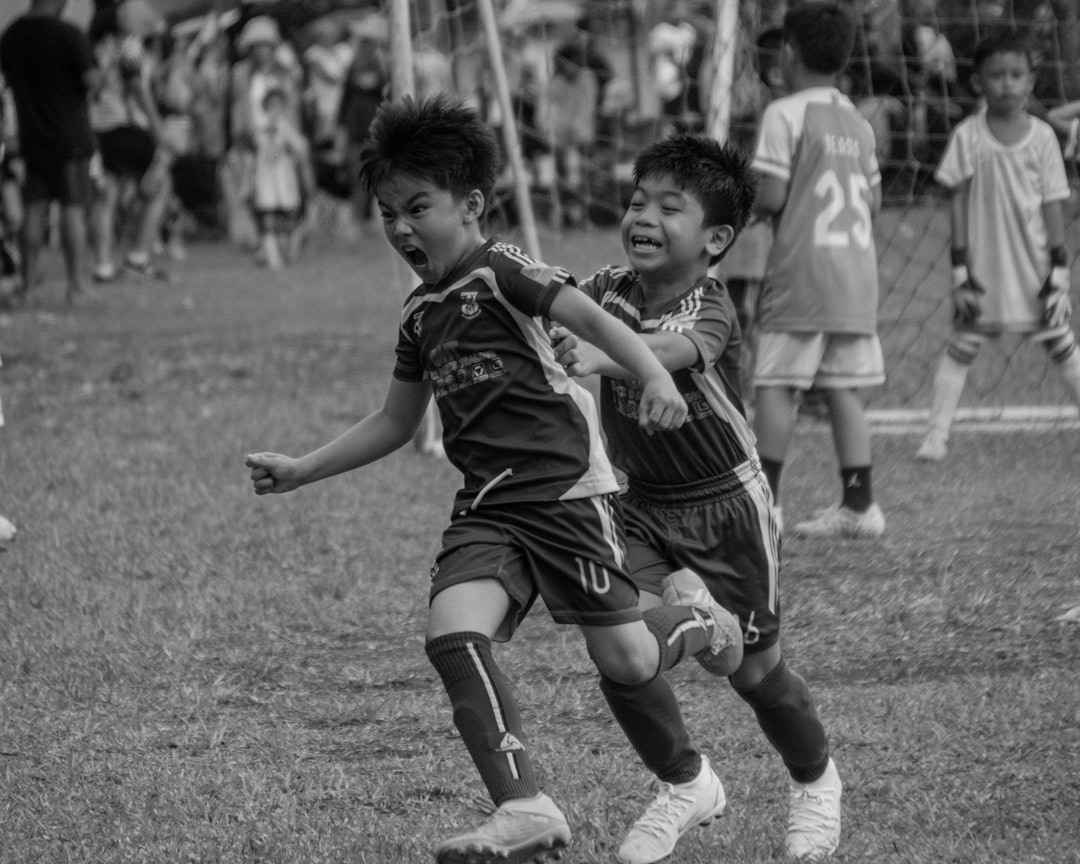
The biggest thing first-time youth sports parents wish they’d known: it’s not about winning, and your reaction after games matters more than anything you do before or during them. Keep your comments positive and low-pressure, let the coach coach, and let your child’s own enjoyment (not your investment of time or money) drive whether they continue.
Before the Season Starts: Set Yourself Up Right
Talk to your child about what they want out of the season before it begins. For most young kids, that’s simply ‘have fun’ and ‘make friends’ — not making an all-star team or getting a scholarship someday. Writing down a simple, shared goal (even just ‘try my best and have fun’) gives you both something to come back to if the season gets stressful.
Do a little homework on the organization itself. A quick look at the league’s or club’s website, or a conversation with veteran parents, will tell you whether coaches get any training, how playing time is typically handled at that age group, and what the overall philosophy is — development-focused rec league versus competitive travel program are very different experiences, and knowing which one you signed up for prevents a lot of frustration later.
Budget for the real costs up front: registration fees, uniforms, cleats or sport-specific shoes, and equipment that your child will likely outgrow or lose interest in within a season or two. Buying the cheapest starter gear (rather than top-of-the-line) is usually the smart move until you know the sport is going to stick.
Get the practical logistics nailed down early — carpool arrangements with other families, a shared calendar for practices and games, and a snack/water routine — so game-day mornings aren’t scrambles.
During the Season: What to Say (and Not Say)
Resist narrating the game from the sideline. Kids consistently say the yelling of instructions from parents (‘shoot it!’ ‘get back on defense!’) is distracting and stressful, not helpful — that’s the coach’s job. Cheering effort and good sportsmanship for both teams is welcome; play-by-play coaching from the stands is not.
The single highest-leverage habit new sports parents can build is what to say on the ride home. Skip the technical critique and the replay of every mistake. Ask open, low-pressure questions like ‘What was the most fun part today?’ or ‘What do you want to work on before next week?’ and then actually listen. A simple ‘I love watching you play’ communicates that your affection isn’t tied to their performance — kids who sense their parents’ approval is conditional on winning tend to play more cautiously and enjoy the sport less over time.
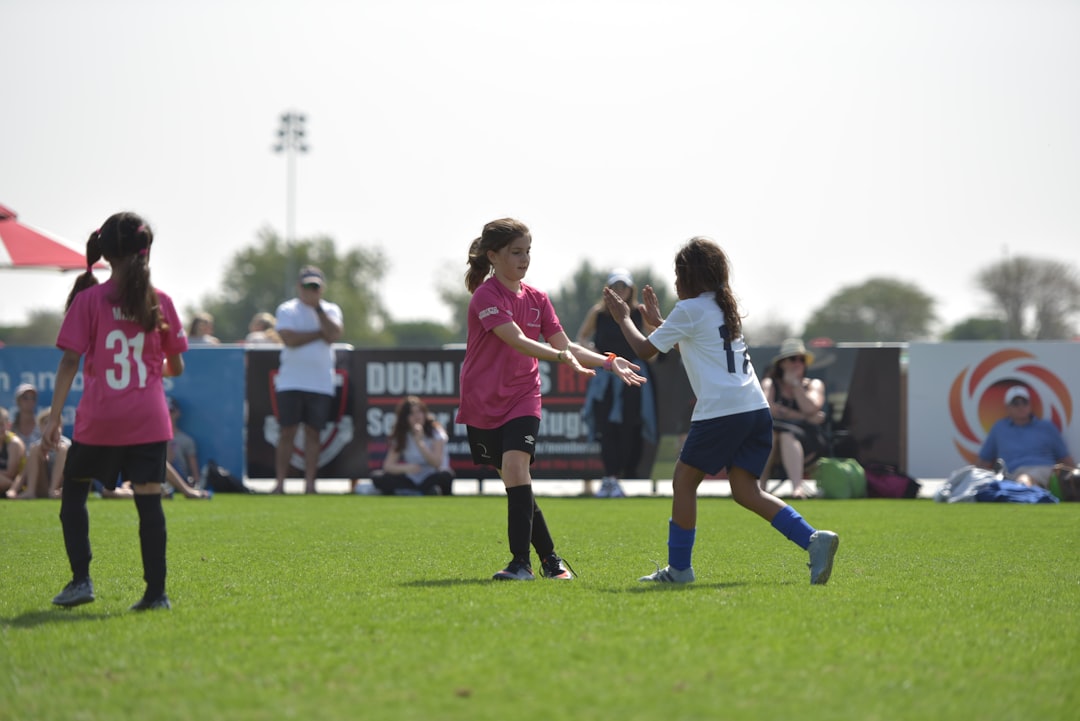
Learn your child’s teammates’ names and cheer for the whole team, not just your kid. It sounds small, but it’s one of the clearest signals to a child that the environment is about the team and the game, not about you tracking their individual stats.
If you disagree with playing time, a coaching decision, or a call, don’t raise it in the moment, in front of your child, or in front of other parents. Ask for a private conversation with the coach, ideally 24 hours after a game once emotions have cooled, and keep the conversation about your child’s development rather than the scoreboard.
Tips and Common Mistakes to Avoid
Don’t over-schedule one sport too early. Many youth sports and coaching organizations recommend kids sample multiple sports through the early elementary years rather than specializing, since it builds broader athleticism and reduces overuse injuries and burnout later.
Watch for the warning signs of burnout: your child suddenly dreading practice, complaining of stomachaches on game days, or asking to quit mid-season. These are usually signals to lower the pressure at home first, before assuming the sport itself is the problem.
Avoid comparing your child to teammates or siblings, even lightheartedly. Kids pick up on comparison faster than parents realize, and it tends to shift their focus from enjoying the game to worrying about status.
Don’t skip the coach communication that does exist — team apps, preseason meetings, and emailed expectations usually explain playing-time philosophy, attendance policies, and how to reach the coach. Reading these upfront heads off a lot of midseason confusion.
Bring a lawn chair, sunscreen, and snacks, and plan to actually watch the game rather than being on your phone the whole time. Young kids notice, and look for you, more than parents expect.
Explore more: More parent guides for every season.
First-Time Youth Sports Parents FAQs
What’s the most important thing to do as a new youth sports parent?
Keep the pressure low and the encouragement unconditional. What you say after the game — not before or during — has the biggest effect on whether your child wants to keep playing.
Should I say anything during the game from the sideline?
Stick to positive, general encouragement (‘nice hustle!’ ‘great try!’) for both teams. Avoid shouting specific instructions or corrections — that’s the coach’s role, and it tends to distract or stress kids out rather than help them.
How do I handle it if I disagree with the coach?
Wait at least a day, request a private conversation (not during pickup or in front of the team), and frame it around your child’s development and well-being rather than playing time or the scoreboard.
Should my child specialize in one sport right away?
For most young kids, no. Sampling a few different sports in the early years is generally recommended over early specialization, since it builds broader movement skills and lowers the risk of overuse injury and burnout.
What should I say to my child after a tough loss or a bad game?
Ask open questions like what their favorite part of the game was, rather than reviewing mistakes. A simple statement like ‘I loved watching you play’ reinforces that your support isn’t tied to the outcome.
Level Up With SportsSteps
Track your athlete’s progress, connect with coaches and your team, and grow — get the SportsSteps app. Get the SportsSteps App.
Want youth sports news in your inbox? Subscribe to the free newsletter.
Photo by Bhong Bahala on Unsplash.