If your kid already has practice twice a week, a weekend tournament, and maybe a private lesson on top of that, “go play outside” can feel like one more thing to schedule rather than a break from scheduling. But free play — the unsupervised, kid-directed, no-whistle version of sports — does things for young athletes that organized programs structurally can’t, no matter how good the coach is.
This guide explains what free play actually is, why researchers and pediatric groups keep flagging it as a missing piece even for kids who are plenty active in organized sports, and how to realistically carve out room for it without blowing up the family calendar.
Quick Answer
Free play — pickup games, backyard sports, and unsupervised play with no adult running drills or keeping score — builds creativity, decision-making, and a kid’s own love of movement in ways organized practice doesn’t. It also varies the way a young body moves, which helps offset the overuse-injury and burnout risks tied to specializing in one sport too early. Kids in organized sports still benefit from regular free play; it’s a complement to structured training, not a substitute for it or something they’ve already outgrown.
What Counts as Free Play (and What Doesn’t)
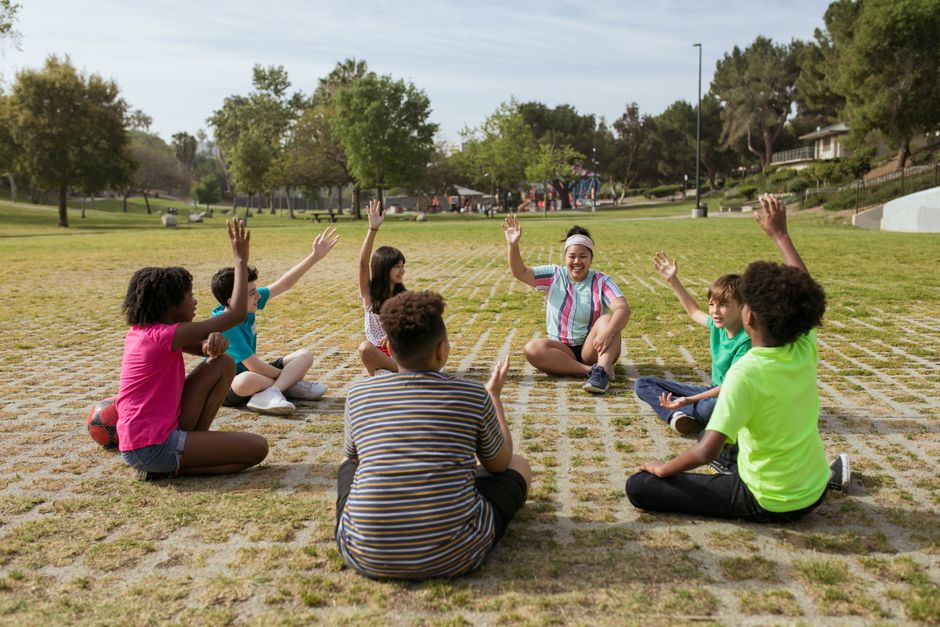
Free play is child-led: no adult designing the drill, refereeing the game, or deciding who’s on which team. Think driveway basketball with made-up rules, a backyard wiffle ball game with cousins, street hockey with the neighborhood kids, or just messing around with a soccer ball at the park. The defining feature isn’t the sport — it’s who’s in charge. If an adult is correcting form, running a stopwatch, or substituting players, it’s organized activity, even if it looks casual.
That distinction matters because a lot of what gets labeled “free time” for young athletes is actually still structured: extra reps assigned by a coach, a parent-run shooting drill in the driveway, or a skills camp during the off-season. None of that is bad, but it doesn’t replace true free play — the reintroduction of free play is specifically called out as a priority by groups like the Aspen Institute’s Project Play, which works on youth sports participation trends.
Why Organized Sports Alone Aren’t Enough
The American Academy of Pediatrics recommends that kids sample multiple sports and delay specializing in just one until at least mid-to-late adolescence, since early single-sport specialization is linked to a higher risk of overuse injury, burnout, and mental health strain. The AAP also advises young athletes take at least one or two days off from organized sports each week and a longer break of roughly a month a few times a year to recover.
Free play fits naturally into those gaps. Because it isn’t tied to a single sport’s repetitive movement pattern, unstructured play gives developing joints and muscles a break from sport-specific stress while still keeping kids active — often more active, minute for minute, than a structured practice with a lot of standing around waiting for a turn. It also protects the intrinsic motivation that keeps kids playing sports for the long haul: when every touch of a ball is evaluated by an adult, some kids start to associate sports with performance pressure instead of fun, which is a common driver of teenage dropout from athletics.
There’s also a skills argument. Pickup games force kids to make their own calls, resolve disputes, adjust rules on the fly, and read teammates and opponents without a coach directing every decision — the kind of on-the-fly problem-solving and self-set goals that research on unstructured play has associated with stronger creativity and independent goal-setting.
Tips and Common Mistakes
Protect unscheduled time on purpose. If every afternoon and weekend slot has a practice, game, or lesson in it, free play won’t happen by accident — block out time the same way you’d block out a practice, even if it’s just an open evening with no plan.
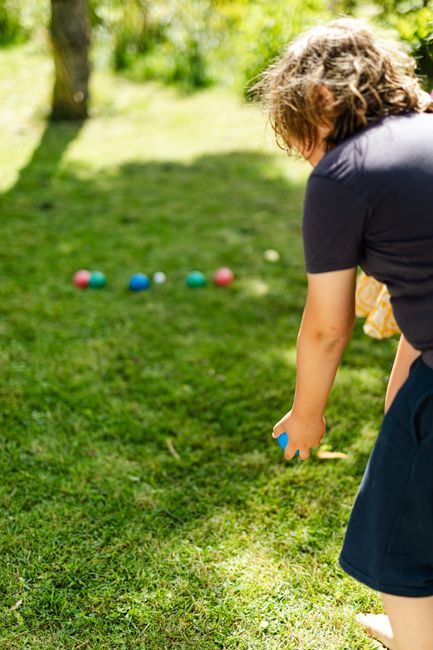
Resist turning downtime into more coaching. Driveway shots or backyard catch don’t need form corrections or a rep count; let kids invent their own games and rules, even if the rules make no sense to an adult.
Don’t assume more organized reps always equals more improvement. Overloading a kid’s schedule with single-sport training can crowd out the varied movement and recovery time that actually supports long-term athletic development.
Watch for burnout signs — dread before practice, complaints about pain that get brushed off, or a kid who stops choosing to play on their own. These often show up when free play has quietly disappeared from the schedule.
Make it easy for other families to say yes. A recurring, informal “kids at the park” time with a couple of other parents removes the planning friction that keeps free play from happening.
Explore more: more youth sports guides.
Free play in youth sports FAQs
What’s the difference between free play and organized sports?
Free play is directed by the kids themselves — no adult coaching, refereeing, or keeping score — while organized sports involve adult-run practices, games, and rules. Both have value, but they build different skills.
Can free play actually make a kid better at their sport?
Indirectly, yes. Free play builds decision-making, creativity, and body awareness through varied, low-pressure movement, and it helps prevent the overuse injuries and burnout that can sideline young athletes from the sport they’re trying to improve at.
How much free play do kids need if they’re already in organized sports?
There’s no single required number, but pediatric guidance points toward regularly protected downtime — at least a day or two a week without organized training, plus longer seasonal breaks — during which free play is a good way to stay active without added structure.
Is it safe to let kids play unsupervised?
For age-appropriate settings — a backyard, a driveway, a familiar park with other kids around — light or no direct adult supervision is part of what makes free play valuable, since it’s the lack of adult direction that lets kids practice their own decision-making.
Level Up With SportsSteps
Track your athlete’s progress, connect with coaches and your team, and grow — get the SportsSteps app. Get the SportsSteps App.
Want youth sports news in your inbox? Subscribe to the free newsletter.
Photo by RDNE Stock project on Pexels.