
Between two-a-day practices, weekend tournaments, and a water bottle that inevitably ends up rolling around the bottom of a gym bag, youth sports hydration gear takes more abuse than almost anything else in a kid’s backpack. A bottle that’s great for sipping at a desk often falls apart the moment it has to survive a dugout floor or a soccer sideline.
This guide breaks down what actually matters when you’re buying an insulated bottle for a young athlete — capacity, lid style, durability, and how to match the bottle to the sport — plus a few specific models worth considering at different price points.
Quick Answer
For most youth athletes, a 20-24 oz double-wall insulated stainless steel bottle with a straw or flip-top lid is the sweet spot: enough capacity to last a practice or half a game without being too heavy for smaller hands, and insulation that keeps water cold through an outdoor practice in the heat. Go smaller (12-18 oz) for kids under 8 or for indoor sports like gymnastics, and consider a squeeze-style sports bottle instead of insulated steel for cycling or when quick one-handed sips matter more than temperature retention.
What to Actually Look For
Capacity by age and sport: Younger kids (roughly ages 4-7) generally do best with a 12-18 oz bottle — anything bigger is heavy to carry and hard to grip. Elementary-to-middle-school athletes in team sports like soccer, baseball, or basketball are usually well served by 20-24 oz, enough to refill once and get through a practice or game. High schoolers in endurance-heavy sports (cross country, swimming, tennis) often want 24-32 oz so they’re not stopping at the fountain constantly.
Insulation that’s actually double-wall: Look for ‘double-wall vacuum insulated’ stainless steel in the product description, not just ‘insulated,’ which sometimes just means a foam sleeve. Double-wall steel bottles typically keep drinks cold for many hours even in a hot car or on a sunny field, which single-wall or foam-insulated plastic bottles can’t match.
Lid style matters more than people expect: Straw lids are easiest for younger kids and for quick sips between plays, but the straw itself can be a weak point (they crack, and small parts can be lost). Flip-top or chug lids are more durable and easier to clean since there’s no straw to replace, but require tipping the head back, which isn’t always practical mid-game. For contact sports or anything where a bottle might get kicked or stepped on, a wide-mouth bottle with a simple screw cap is the most durable and easiest to refill quickly from a cooler or hose.
Weight and grip: An empty bottle’s weight matters less than how it feels full and wet with a kid’s smaller, sweatier hands gripping it one-handed. Bottles with a textured or silicone boot, a built-in handle, or a carry loop are easier for kids to actually hold onto during a break in play.
Leak-proof design for the gym bag: A bottle that can go upside-down in a backpack without soaking a change of clothes and cleats is worth paying for. Look for bottles explicitly marketed as leak-proof (not just spill-resistant), especially with straw lids.
A Few Specific Options Worth Considering
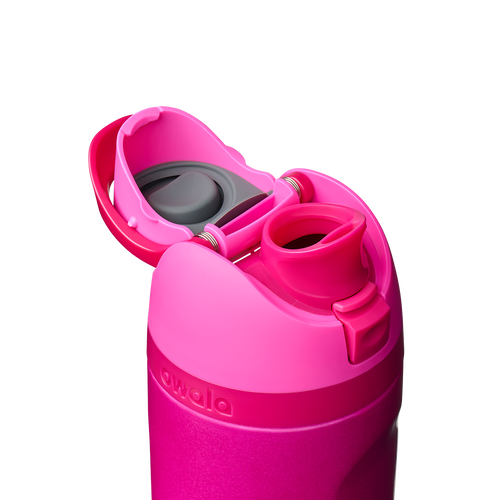
Owala Kids’ FreeSip (16 oz): A 2-in-1 lid that switches between a straw and a wider chug opening, with a leak-proof design and a carry loop that makes it easy for kids to hang on a bag. A solid all-around pick for elementary-age athletes who want flexibility in how they drink.
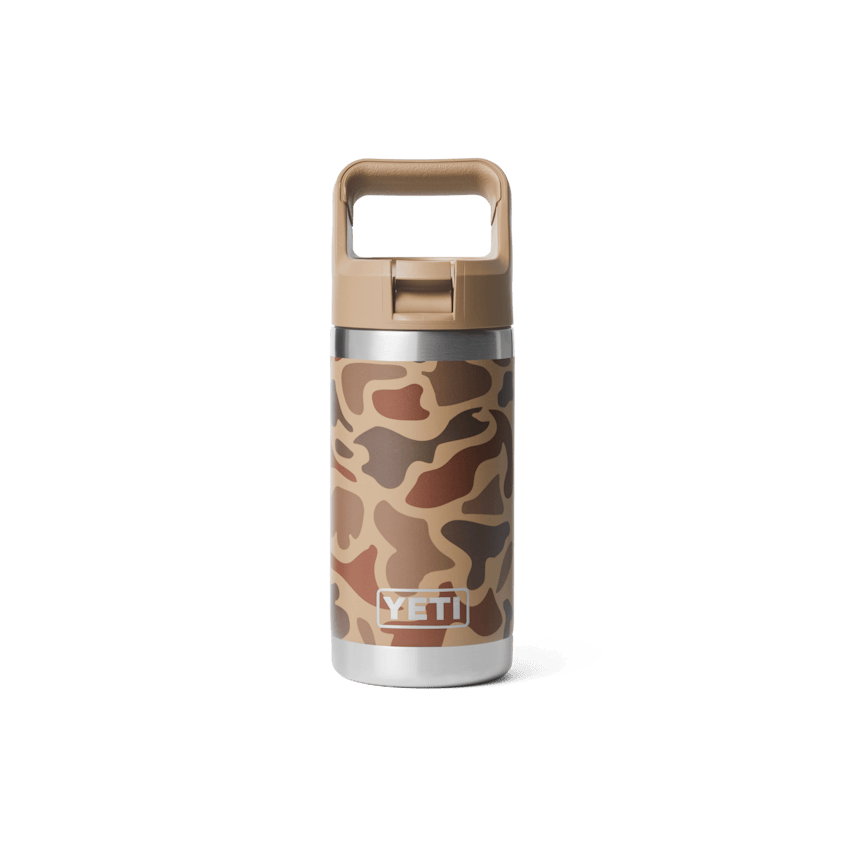
YETI Rambler Jr. (12 oz): Built with the same durable, dent-resistant stainless steel as YETI’s adult line, in a smaller kid-sized bottle with a straw cap. It’s on the smaller side and pricier per ounce, but it’s about as tough as insulated kids’ bottles get — a good fit for younger players who are hard on gear.
Hydro Flask Kids Wide Mouth (12 oz or 18 oz): Double-wall vacuum insulation rated to keep drinks cold up to 24 hours, in a slim shape that’s easy for small hands to grip and fits most cupholders. The wide mouth also makes it fast to refill from a water jug at halftime.
Stanley IceFlow Flip Straw (16 oz and up): A flip-up straw that snaps shut for a leak-proof seal, in stainless steel that holds cold well through a long outdoor practice. Available in larger sizes too, so it can grow with a kid into middle and high school.
CamelBak Podium Big Chill (24 oz): A squeeze bottle rather than a rigid steel one, with double-wall insulation and a high-flow, self-sealing cap built to fit standard bike bottle cages. This is the better call for cycling, or any sport where a kid needs to squeeze a quick sip one-handed without stopping.
Tips and Common Mistakes
Don’t oversize it. A 32 oz bottle sounds efficient, but if it’s too heavy or awkward for a 7-year-old to carry, it’ll get left behind. Match capacity to the kid, not the sport.
Label it, and pick a distinct color or pattern. Insulated bottles look nearly identical across a team sideline, and this is the single easiest way to prevent bottles from getting swapped or lost.
Hand-wash straw components regularly. Straw lids in particular can grow mold inside the tube if they’re only rinsed; most straw lids are dishwasher-safe on the top rack, but check the specific model.
Skip bottles with lots of small removable parts for younger kids — extra gaskets, straw caps, and small lid pieces are easy to lose in a gym bag or at a park, and a missing gasket usually means the bottle starts leaking.
Avoid glass or ceramic-lined bottles for anyone under high school age; stainless steel is far more likely to survive being dropped, kicked, or sat on.
Explore more: More parent guides for youth sports.
Insulated water bottles for youth athletes FAQs
What size insulated water bottle is best for a youth athlete?
For most kids in team sports, 20-24 oz is the practical sweet spot. Go smaller (12-18 oz) for kids under 8, and larger (24-32 oz) for high schoolers in endurance sports like cross country or swimming.
Is stainless steel or plastic better for a kid’s sports water bottle?
Double-wall vacuum-insulated stainless steel keeps drinks cold far longer than plastic and holds up better to being dropped or kicked, which makes it the better choice for most field and court sports. A squeeze-style plastic bottle is still the better pick for cycling, where one-handed squeezing matters more than temperature retention.
How do I stop my kid’s water bottle from getting lost or swapped at practice?
Write their name on it with a permanent marker or a durable label, and choose a color or pattern that stands out from what teammates typically carry — plain silver or black steel bottles are the most commonly mixed up on a sideline.
Are straw lids or flip-top lids better for youth sports?
Straw lids are easier for quick sips during a break in play and are generally preferred by younger kids, but the straw itself is the most likely part to break or need replacing. Flip-top or wide-mouth screw caps are more durable and easier to clean, making them a better fit for kids who are hard on gear.
Level Up With SportsSteps
Track your athlete’s progress, connect with coaches and your team, and grow — get the SportsSteps app. Get the SportsSteps App.
Want youth sports news in your inbox? Subscribe to the free newsletter.
Images: Owalalife.