
Most youth sports injuries in fast-twitch, cutting, and jumping sports happen when a young athlete’s body isn’t properly prepared to move — tight hips, stiff ankles, and cold muscles are a recipe for strains and sprains. The fix doesn’t require a physical therapist or an hour of foam rolling. A short, consistent flexibility routine done before practice or games is enough to make a real difference.
This guide breaks down a 10-minute daily stretch plan built around dynamic movement, exactly what coaches and sports medicine clinicians recommend for kids and teens who are training or competing. You’ll get the step-by-step routine, the reasoning behind the order of exercises, and the mistakes that quietly cancel out the benefits.

Quick Answer
Before practice or a game, young athletes should do 8-10 minutes of dynamic (moving) stretches — think leg swings, walking lunges, and high knees — rather than long, held static stretches. Save static stretching, where you hold a position for 15-30 seconds, for after activity as part of the cool-down.
The 10-Minute Pre-Activity Routine
Minutes 0-1: Start with light general movement to raise heart rate and body temperature — jogging in place, jumping jacks, or a slow lap around the field or court. Stretching cold muscles does little good and can even feel counterproductive, so this step matters even though it’s easy to skip.
Minutes 1-7: Move into dynamic stretches, spending about 30-40 seconds on each: leg swings front-to-back and side-to-side (holding a wall or fence for balance), walking lunges with a torso twist toward the front leg, high knees, butt kicks, arm circles and shoulder rolls, inchworm walk-outs into a hamstring stretch, and hip circles or leg cradles for the hips and glutes. Rotate through 6-7 of these based on the sport — a soccer or basketball player should prioritize hips and ankles, while a thrower or swimmer should spend more time on shoulders.
Minutes 7-10: Finish with sport-specific movement prep — short build-up sprints, skips, bounds, or the actual skill movements of the sport at low intensity (dribbling, light throws, easy swings). This bridges the gap between the general warm-up and full-speed play.
The whole sequence takes about 10 minutes and can be led by a coach, a parent, or the athlete alone once the pattern is familiar. Doing it daily, not just on game days, is what builds lasting flexibility rather than a one-off warm-up effect.
Why Dynamic Stretching Comes First (and Static Comes After)
Dynamic stretches move a joint through its range of motion while the muscles are working, which raises core temperature, improves coordination, and primes the nervous system for quick, powerful movement. Static stretching — holding a stretch still — is better suited to the end of a session, when muscles are already warm and the goal shifts from performance to lengthening tissue and aiding recovery.
Doing long, held static stretches right before intense activity can temporarily reduce muscle power and reaction speed, which is the opposite of what an athlete needs heading into a sprint, jump, or quick change of direction. That’s why most sports medicine guidance separates the two: dynamic before, static after.
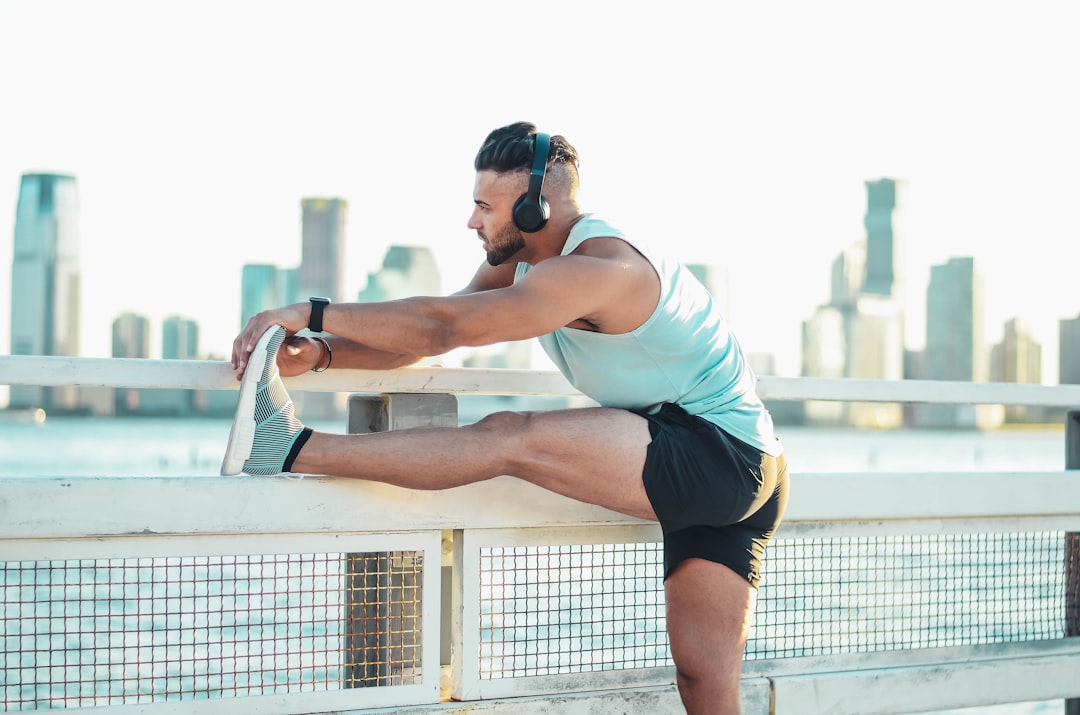
For the post-activity cool-down, hold each static stretch (hamstrings, quads, calves, hip flexors, shoulders) for roughly 15-30 seconds and repeat 2-3 times per side. This is also the best time to work on any sport-specific tight spots — for example, a baseball pitcher’s throwing shoulder or a soccer player’s hip flexors.
Tips and Common Mistakes
Skipping the routine on ‘easy’ practice days is the most common mistake — flexibility is built through daily repetition, not just on game day. Encourage athletes to run through the 10-minute plan before every practice, not only before competitions.
Bouncing or forcing a stretch, especially in dynamic movements like leg swings, increases injury risk instead of reducing it. Movements should be controlled and pain-free, gradually increasing range rather than snapping into it.
Skipping the general movement phase and jumping straight into stretching is another frequent shortcut — a minute of light jogging or jumping jacks first makes every stretch that follows more effective.
Tailor the routine to the sport and to any known tight areas. A gymnast or dancer benefits from extra static flexibility work on non-training days, while a sprinter or field-sport athlete should emphasize hip and ankle mobility in the dynamic warm-up.
Finally, treat the routine as a habit, not a punishment — pairing it with music, a partner, or a simple checklist helps young athletes stick with it long term.
Explore more: More training and performance guides.
Daily flexibility routine for young athletes FAQs
Should young athletes stretch every day, even on rest days?
Light daily mobility work is fine and helpful, but the full 10-minute dynamic routine is really meant for training and game days. On rest days, a few minutes of gentle static stretching or foam rolling is enough.
Is static stretching bad before a game?
Not bad, but not ideal as the main warm-up. Long, held static stretches right before intense activity can temporarily reduce power and reaction speed, so it’s better to save static stretching for after the game or practice.
How long should a static stretch be held?
A common guideline is 15-30 seconds per stretch, repeated 2-3 times on each side, done when muscles are already warm — typically after activity.
What if a young athlete feels pain during a stretch?
Any sharp or pinching pain means stop immediately. Dynamic and static stretches should feel like a gentle pull, never pain — pushing through pain is a common way tight muscles turn into strains.
Level Up With SportsSteps
Track your athlete’s progress, connect with coaches and your team, and grow — get the SportsSteps app. Get the SportsSteps App.
Want youth sports news in your inbox? Subscribe to the free newsletter.
Photo by Alora Griffiths on Unsplash.