
It’s game morning and your kid is either too nervous to eat or asking for a giant plate of pancakes right before warmups. Knowing what to feed young athletes before and after a game can feel like guesswork, but the timing and food choices actually matter for how they perform and how sore or wiped out they feel afterward.
This guide breaks down exactly what to serve and when, from the night before through the ride home, using guidance from pediatric sports medicine and nutrition sources — no fad diets or expensive supplements required.
Quick Answer
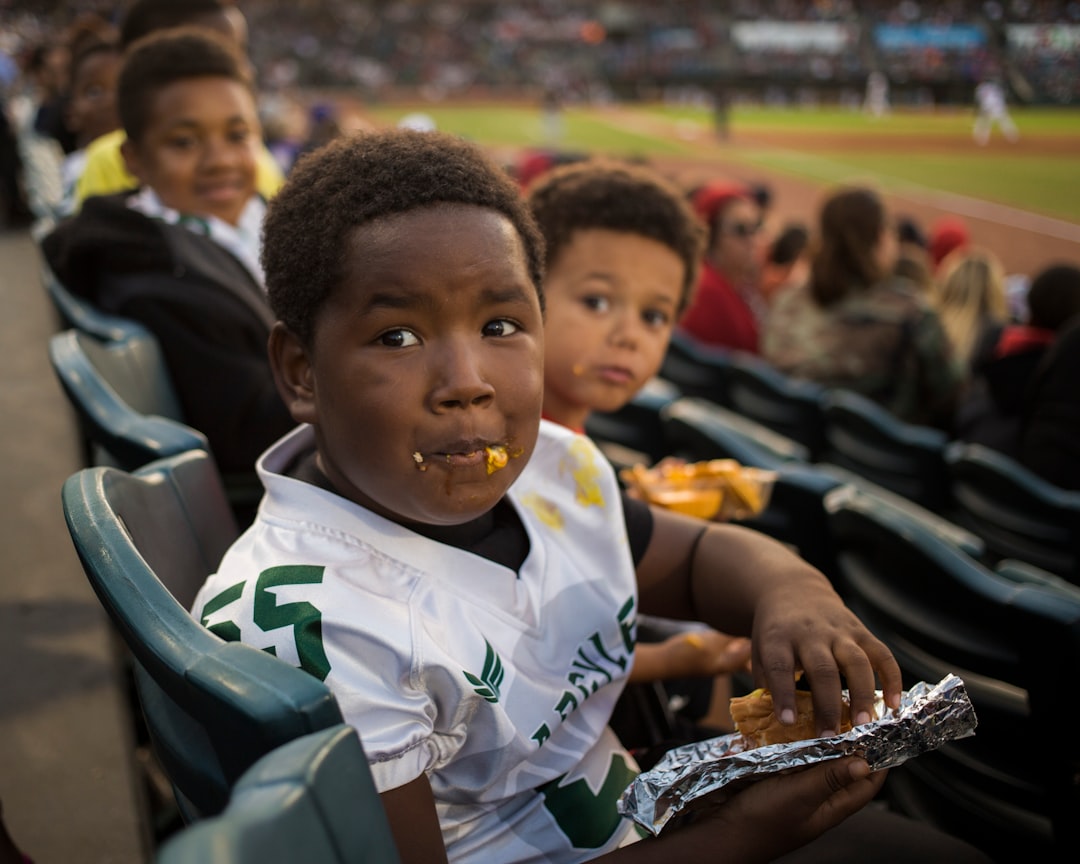
Feed young athletes a carb-and-protein meal 3-4 hours before a game (like chicken and rice), a light carb snack 1 hour before (like a banana or granola bar), and a balanced recovery snack or meal with protein and carbs within about 30-60 minutes after the final whistle. Keep fat and fiber low right before competing since they digest slowly and can cause stomach upset.
The Night Before and Morning Of
Game-day fueling actually starts the night before. A high-carbohydrate dinner — think pasta with meat sauce, rice bowls, or teriyaki chicken with rice — helps top off the muscle energy stores (glycogen) your child will draw on during play. Pair it with plenty of fluids and try to get them to bed on time; 7-8 hours of sleep matters as much as any meal for next-day energy and reaction time.
On the morning of an early game, resist the urge to skip breakfast just because there isn’t much time. A small, familiar carb-based breakfast (oatmeal, toast with banana, a bagel) sits better than nothing at all and prevents the sluggish, hungry feeling that shows up in the second half.
Pre-Game Meal and Snack Timing
About 3-4 hours before the game: serve a full meal that’s high in whole-grain carbohydrates, includes lean protein, and goes light on fat — for example, grilled chicken with sweet potatoes, or turkey and rice. This window gives the stomach time to fully digest before kickoff, whistle, or first pitch. Pair the meal with roughly 16-20 ounces of water or fluid.
About 1 hour before the game: if there wasn’t time for a full meal, or your child needs a top-off, offer an easy-to-digest carb snack — a banana, pretzels, plain crackers, or a granola bar — plus another 8-16 ounces of water. Avoid anything heavy in protein, fat, or fried food this close to game time; it digests slowly and is the classic recipe for a stomachache mid-game.
If your athlete is nervous and doesn’t feel like eating, liquid options (a fruit smoothie, chocolate milk, or a diluted juice) are easier to get down than solid food and still deliver usable carbs and fluid.
During the Game: Hydration Matters Too
For games or practices under an hour, water is enough — aim for about 4-6 ounces every 15-20 minutes during active play, adjusted down for less intense activity. For longer games, tournaments, or hot/humid conditions, a sports drink (roughly 20-32 ounces per hour of continuous play) can help replace electrolytes lost in sweat and keep energy steadier through a long day of games.
Watch for early signs of dehydration — headache, dizziness, cramping, or a flushed, tired look — and encourage sips during any break in play rather than waiting until your child says they’re thirsty, since thirst often lags behind actual fluid need.
Post-Game Recovery: What to Eat and When
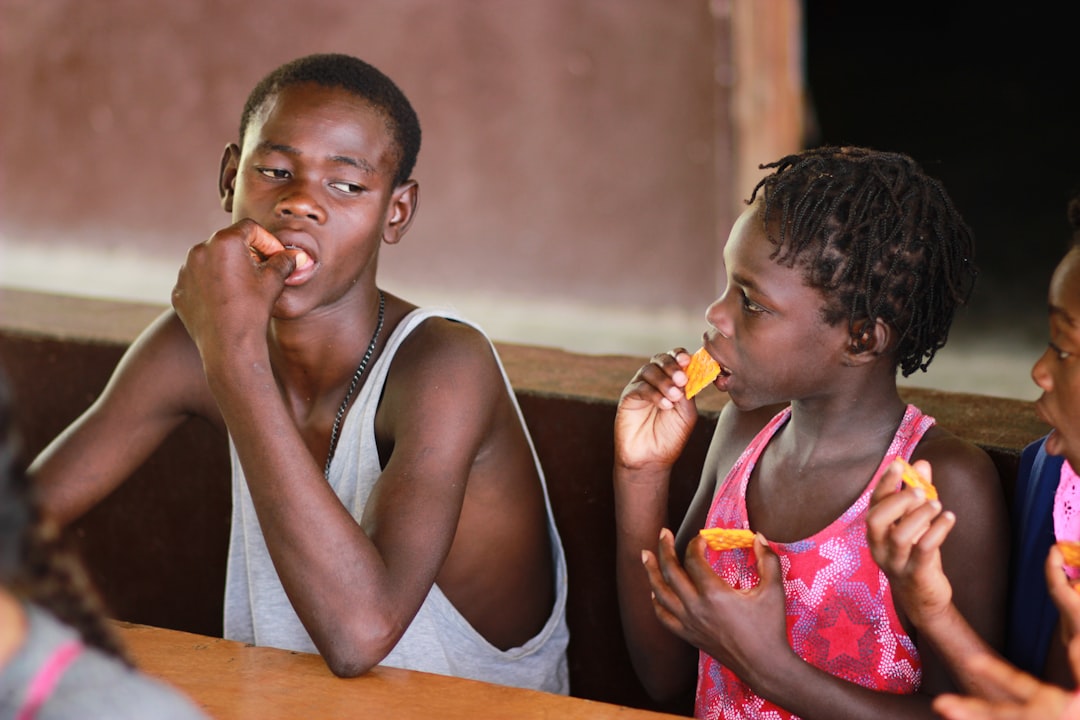
The recovery window is where a lot of parents drop the ball, reaching for the drive-through or a candy-heavy ‘treat’ out of habit. Within about 30-60 minutes of the final whistle, offer a snack that combines carbs and protein — chocolate milk, a turkey sandwich, yogurt with fruit, or a peanut butter sandwich all work well and are easy to have ready in a cooler bag.
Follow that snack with a full, balanced meal within 1-2 hours: think grilled protein, a whole grain or starch, and vegetables or fruit. This combination helps refill energy stores and gives muscles what they need to repair, which matters even more on tournament days with multiple games back to back.
Rehydration matters just as much as the food. A simple trick used by many sports dietitians: weigh your child before and after a long practice or game in hot weather, and have them drink roughly 16-24 ounces of fluid for every pound lost.
Tips / Common Mistakes
Don’t experiment on game day. Never try a brand-new food or supplement right before competition — save new snacks for a regular practice day so you know how your child’s stomach handles it. Don’t rely on sugary sports drinks as a substitute for water during short, low-intensity games; they’re really only needed for longer or hotter sessions. Don’t skip the pre-game meal to ‘save time’ — a hungry athlete tires faster and loses focus in the second half. And don’t overload on fiber or fried food close to game time (think salads, beans, or fast food burgers); they sit heavy and can cause cramping or GI distress mid-play. Finally, keep a small cooler with water, a recovery snack, and a backup pre-game snack in the car — game schedules shift, and having food ready removes the last-minute scramble.
Explore more: More Youth Sports parenting guides.
Youth athlete game-day nutrition FAQs
What is the best pre-game snack for a young athlete?
A simple, easy-to-digest carb like a banana, plain granola bar, pretzels, or a slice of toast with a little honey works well 1 hour before a game. Keep it low in fat and fiber so it digests quickly.
How soon after a game should my child eat?
Aim for a small snack with carbs and protein within about 30-60 minutes of finishing, then a full balanced meal within 1-2 hours. This window helps replenish energy and supports muscle recovery.
Are sports drinks necessary for kids’ games?
Not usually. Water is sufficient for most games and practices under an hour. Sports drinks are more useful for longer games, tournaments with multiple matches, or play in hot and humid conditions.
What should young athletes avoid eating before a game?
Avoid heavy, high-fat, or high-fiber foods (fried food, creamy sauces, large amounts of beans or raw vegetables) right before competing, since they digest slowly and can cause cramping, nausea, or an upset stomach during play.
Level Up With SportsSteps
Track your athlete’s progress, connect with coaches and your team, and grow — get the SportsSteps app. Get the SportsSteps App.
Photo by Wade Austin Ellis on Unsplash.