
Nothing sinks a good swim like going out too fast and dying in the last 25. It’s the most common mistake young racers make, and it’s also one of the easiest to fix once a swimmer understands what pacing actually means and practices it in training, not just at meets.
This guide breaks down how to teach pacing to kids and teens in a way that’s simple enough to remember mid-race: how to think about effort instead of speed, how to break a race into pieces, and which small habits at practice translate directly into smarter racing on meet day.
Quick Answer
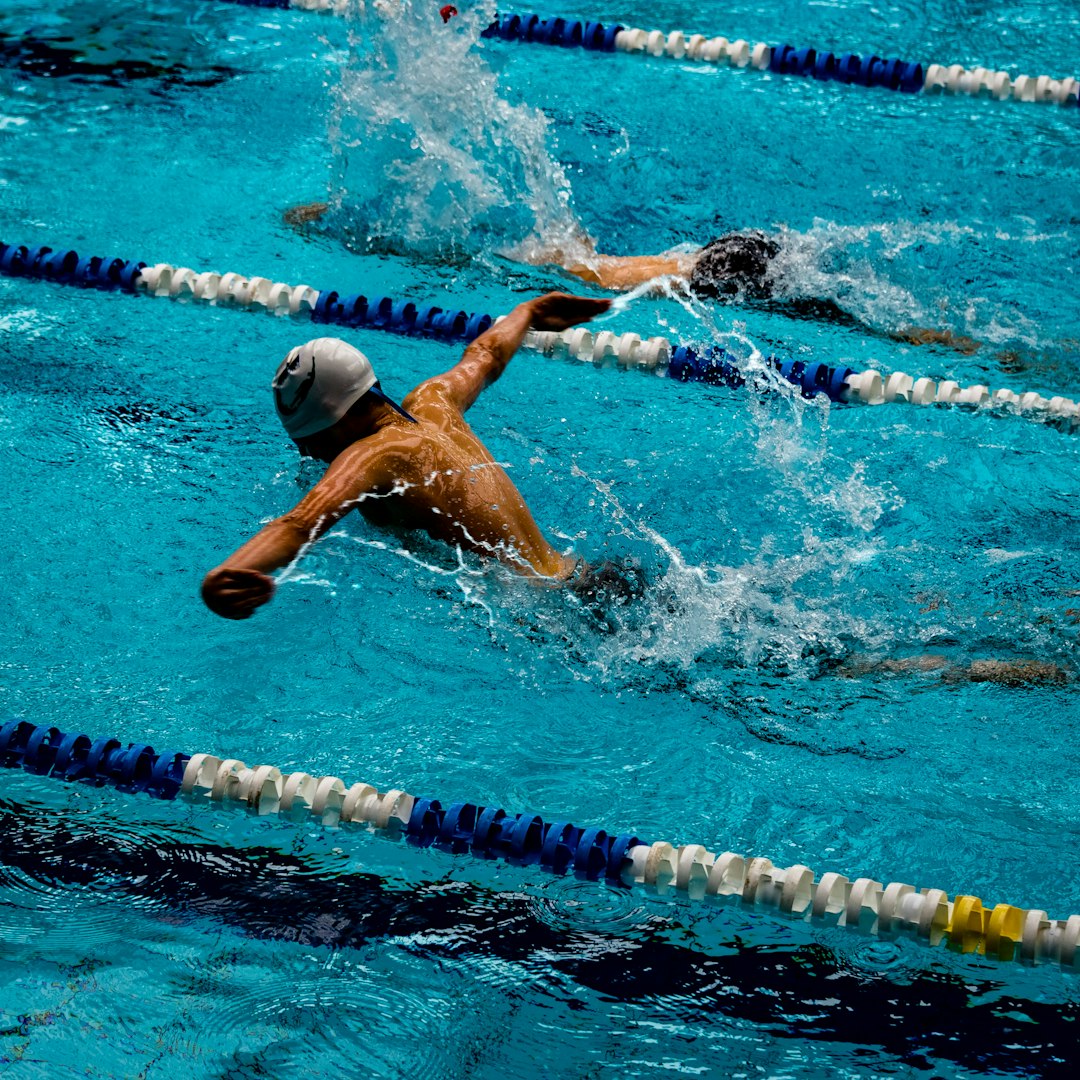
Pace a swim race by building effort gradually instead of sprinting out and holding on. For most young swimmers, that means going out controlled (not slow, not all-out), holding a steady rhythm through the middle, and increasing effort in the final quarter so the last part of the race is the strongest, not the weakest.
Why Fast Starts Backfire
It’s tempting to bolt off the blocks and try to build a lead, especially in shorter races. But if a swimmer’s effort stays maxed out from the start, their pace can only go one direction: down. That shows up as a swimmer who’s ahead at the 25 or 50 and fading badly by the finish, getting passed by swimmers who paced themselves better.
The alternative isn’t swimming slow at the start. It’s controlling effort at the start so there’s something left to spend later. Coaches often describe this as an ‘increasing effort’ pattern: the swimmer’s effort level climbs steadily across the race, which tends to produce either an even pace or a negative split (second half faster than the first), rather than a fast start followed by a fade.
Negative splitting has a psychological payoff too — a swimmer who’s building through the back half is passing tired competitors and finishing with something in the tank, instead of watching the field close in while they hang on to the wall.
Break the Race into Quarters
The simplest way to teach pacing to a young swimmer is to have them think in quarters of the race, not exact split times. A 50 is broken into four 12.5s (in practice, just the first half and second half). A 100 becomes four 25s. A 200 becomes four 50s. Most age-group swimmers can grasp ‘build each quarter a little’ far more easily than trying to hit a precise time on the sixth 50 of a 500 — that level of split-counting is usually too much to manage while also racing.
A simple mental script for a swimmer to use: quarter one is controlled and technically clean; quarter two holds that same rhythm; quarter three is where effort starts climbing even though it’s starting to hurt; quarter four is an all-out push to the wall. That’s a race plan a 9-year-old can actually execute under race adrenaline.
For longer events (200s and up), swimmers can extend this idea to holding an even pace per 50 or 100 through the middle of the race before building into the final section — the exact same logic, just with more ‘holding’ segments in the middle.
How to Practice Pacing (Not Just Race It)
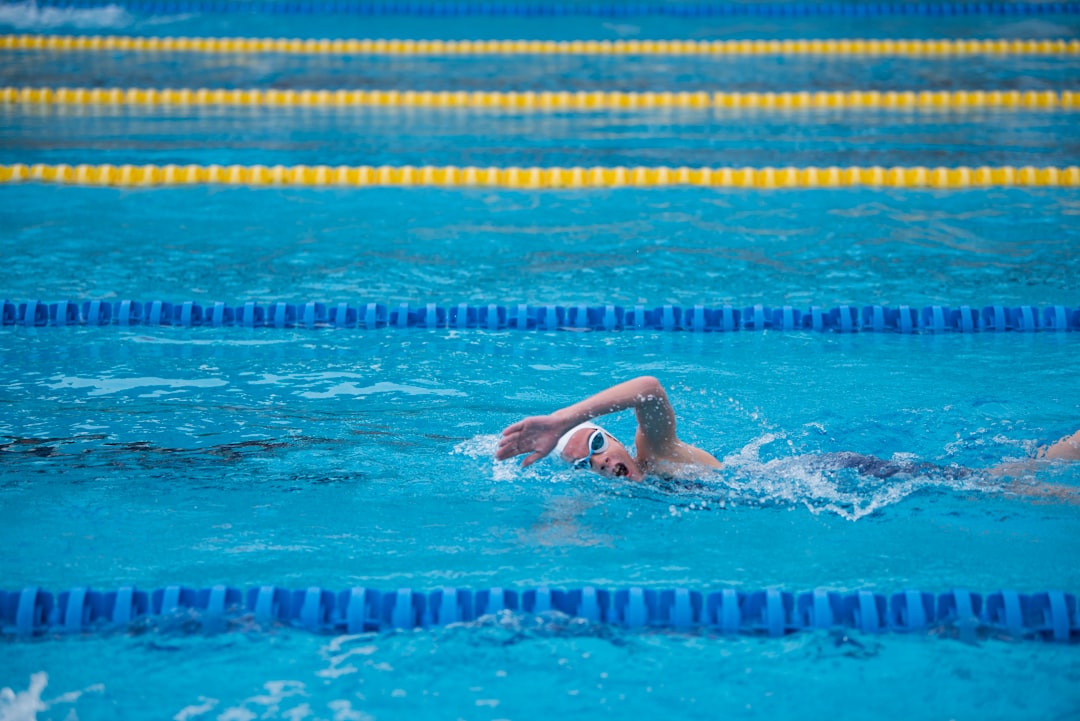
Pacing is a skill, and like any skill it has to be trained — a swimmer won’t magically pace well at a meet if they’ve never practiced it. A few practice habits that build real pace awareness: swim repeats where the goal is to hit the *same* time on every rep (a ‘tight cluster’ set), which teaches a swimmer to feel what a given pace requires physically; do broken-down race-pace sets where the swimmer holds their goal per-100 pace on shorter reps before racing the full distance; and have swimmers predict their split or finish time before a rep, then compare it to the actual result, which sharpens their sense of effort versus outcome over time.
It also helps to know a realistic goal pace before ever touching the water. A swimmer (with their coach) should walk into a race knowing roughly what pace per 50 or 100 they’re aiming for, based on recent practice times or a previous best, rather than figuring it out on the fly mid-race.
Turns matter as much as straightaways for pacing — a sloppy, coasted turn is effort wasted and time lost that a swimmer can’t get back, no matter how well they’ve paced the swimming portion. Practicing fast, tight turns at race pace (not just in isolated turn drills) keeps the pace plan intact through the whole race, not just between the walls.
Tips and Common Mistakes
Common mistake: chasing the swimmer in the next lane instead of racing your own plan. It’s easy for a young swimmer to panic and speed up early just because someone pulled ahead — but reacting to other swimmers usually blows the pacing plan and burns energy that’s needed later.
Common mistake: treating every race the same regardless of distance. A 50 free is closer to an all-out sprint with almost no true ‘pacing’ involved beyond the start and finish, while a 200 or 500 genuinely needs a plan across multiple segments. Sprint races reward raw speed and a strong start; distance races reward pace discipline.
Tip: use the clock during warm-up and practice, not just the coach’s stopwatch at meets. A swimmer who’s used to checking their own pace builds a much better internal sense of speed than one who only ever hears splits shouted from the deck.
Tip: keep the race plan simple enough to remember with an adrenaline spike. ‘Build each quarter’ or ‘hold, hold, build, sprint’ is something a nervous 10-year-old can recall on the blocks — a plan with five different target splits usually isn’t.
Explore more: more swimming tips and training guides.
Race pacing for young swimmers FAQs
What’s the best pacing strategy for young swimmers?
For most age-group swimmers, a near-even pace with a strong build in the final quarter works best — go out controlled, hold steady through the middle, and increase effort toward the finish. This tends to produce an even split or negative split rather than a fast start followed by a fade.
What is a negative split in swimming?
A negative split means swimming the second half of a race faster than the first half. It’s achieved by starting with controlled effort and building speed as the race goes on, rather than sprinting out and trying to hold on.
How do I teach a 9- or 10-year-old to pace a race?
Break the race into quarters and give a simple cue for each: stay controlled early, hold the rhythm through the middle, and build effort in the final quarter. Precise split times are usually too much for young swimmers to track mid-race — effort-based cues work better.
Should sprint races like the 50 free be paced the same way?
No. Very short sprints like the 50 free are mostly about a strong start and maximum effort throughout, since there isn’t enough distance for a true pacing strategy. Pacing plans matter most in the 100 and up, especially 200s and longer.
Level Up With SportsSteps
Track your athlete’s progress, connect with coaches and your team, and grow — get the SportsSteps app. Get the SportsSteps App.
Photo: Lance Cpl. David Walters / Public domain, via Wikimedia Commons.