
You’ve got 15 five-to-eight-year-olds, a bag of baseballs, and exactly one of you. Coach-pitch practice with a full roster and no assistants sounds like chaos — but with the right structure, it’s completely manageable and genuinely fun for the kids.
The secret is stations. Instead of running kids through one long line while most of them stand around, you split the team into small groups and keep every group moving and doing something at all times. This guide walks you through a realistic 75-minute practice plan, the five stations that work best at coach-pitch age, and the small details that separate a smooth practice from a circus.

Quick Answer
Divide your 15 players into groups of 3-4 and rotate them through 4-5 skill stations every 10-15 minutes. You anchor one station — live coach-pitch hitting — while the other stations are designed to run themselves with simple, age-appropriate drills. A timer keeps transitions smooth so you can stay focused on coaching rather than watching the clock.
Your 75-Minute Practice Blueprint
Start with a 5-10 minute warm-up the whole team does together: a light jog around the bases, some arm circles, and basic dynamic stretches. This gets energy out, gets bodies ready, and gives you a chance to go over the day’s plan before splitting into stations.
The bulk of your practice — roughly 50-55 minutes — runs as station rotations. With 15 kids, four stations of 3-4 kids each works well. Set a timer for 12-13 minutes per station. When the timer goes off, everyone rotates one station clockwise. You stay put at the coach-pitch hitting station so each group gets live reps with you.
Close with 10-15 minutes of a simple scrimmage or game situation drill. This is where kids apply what they just practiced, and it burns off the competitive energy that’s been building all practice. End with a quick team huddle: one thing each player did well, one goal for next time, and a team cheer.
The 5 Stations That Run Themselves
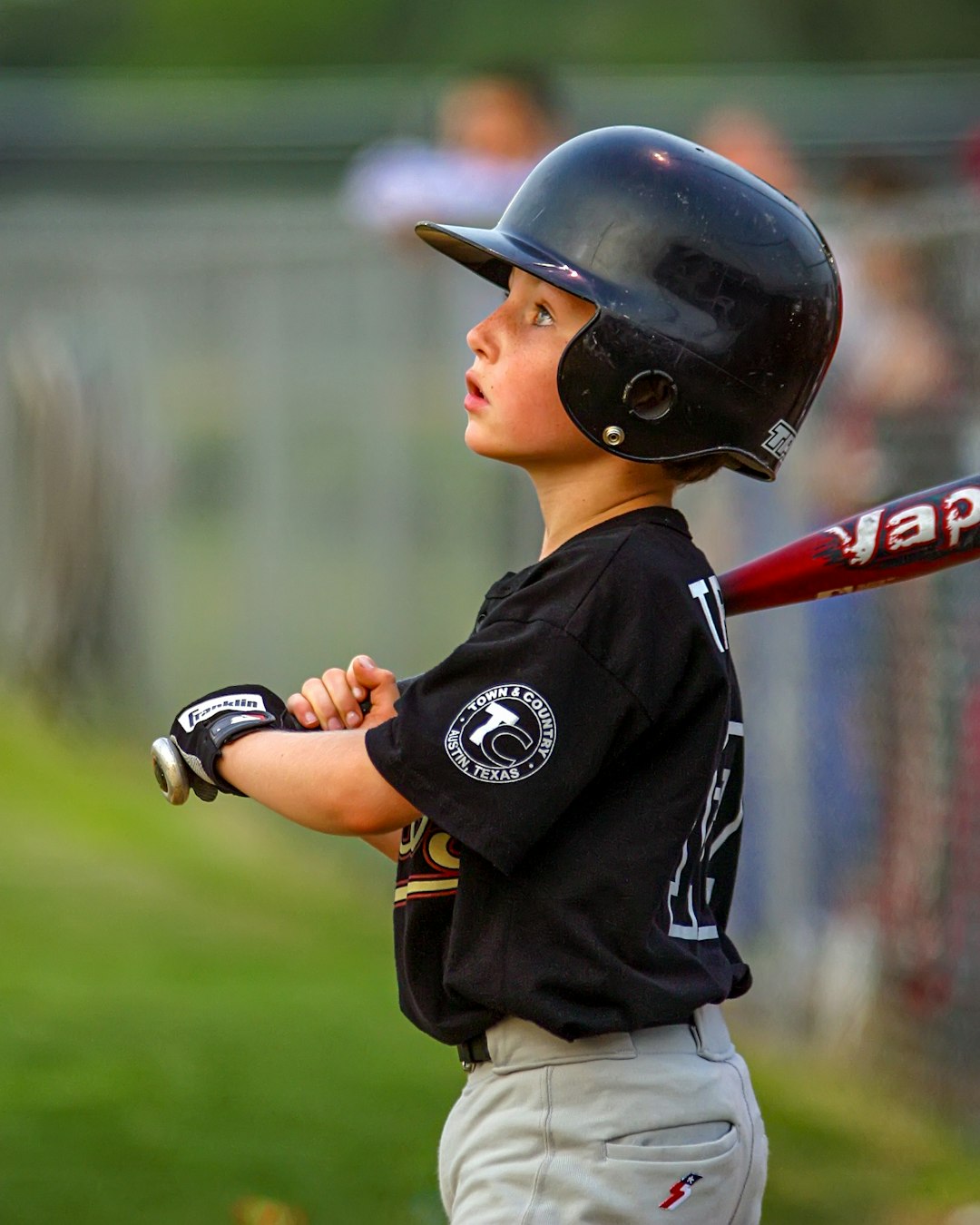
Station 1 — Live Coach Pitch (you): This is where you stand all practice. Three to four batters rotate through: one hits, the others wait their turn and shag balls in the outfield. Keep pitches slow and accurate — the goal at this age is contact and confidence, not challenge. Three to five swings per kid per rotation is plenty.
Station 2 — Batting Tee: Set up one or two tees with a bucket of balls and a clear target (a fence, a cone, a drawn square on a net). Kids rotate through independently: swing, retrieve your ball, place it back on the tee, next batter. You don’t need to be there — just give clear instructions before they start.
Station 3 — Soft Toss Pairs: Kids pair up and take turns tossing underhand to each other from the side, about 4-5 feet away. The hitter focuses on driving the ball into a net or fence. Pairs manage themselves. This builds timing and hand-eye coordination without requiring a coach.
Station 4 — Ground Ball Fielding: Two kids face each other about 20 feet apart and take turns rolling ground balls to each other, working on the ready position, fielding the ball with two hands, and making a clean throw back. If you have an odd group of three, one kid acts as a “rover” who calls out fielding feedback.
Station 5 — Throwing Accuracy or Base Running: Alternate this station week to week. For throwing accuracy, kids toss to a target on a fence or into a bucket from increasing distances. For base running, mark out a mini-circuit with cones and have kids practice explosive first steps and running the bases on a coach’s signal — no supervision needed once the drill is set.
Tips and Common Mistakes
Brief every station before practice starts. Walk each group to their first station and explain exactly what to do before you go. Five minutes of setup saves fifteen minutes of chaos. Use visual cue cards or simple written instructions at each station if your kids are old enough to read them.
Recruit a parent timekeeper. Ask one parent on the sideline to watch the timer and call ‘rotate’ when time is up. This frees you to stay fully focused on the batter in front of you rather than checking your phone every 30 seconds.
Don’t overcorrect at coach-pitch age. The biggest mistake coaches make is stopping every swing to fix mechanics. At ages 5-8, kids learn mostly through repetition and fun. Pick one cue per kid per practice (‘watch the ball all the way in’) and praise contact over perfection.
Keep groups moving. If a station finishes early, have a default activity — play catch with a partner, practice fielding stance, do five squat jumps. Kids standing still is when behavior problems start.
Don’t skip the scrimmage. Even a 10-minute mini-game at the end does more for excitement and retention than any drill. Kids this age are motivated by games, and ending on a fun competitive note sends them home wanting to come back.
Explore more: More coaching guides and tips.
Coach-Pitch Baseball Practice FAQs
How long should a coach-pitch baseball practice be?
For kids in the coach-pitch age range (typically 5-8 years old), aim for 60-75 minutes. Younger kids lose focus quickly, and a tight, well-structured hour beats a sloppy two-hour practice every time. If you have a younger group, keep it closer to 60 minutes.
What do I do if kids won’t stay on task at a self-supervised station?
Make the drill feel like a game. Give each station a simple challenge — ‘see how many balls you can get in the bucket in 5 tries’ or ‘try to roll a ground ball that your partner can’t field.’ Kids this age respond immediately to light competition. If a group is consistently struggling, simplify the drill or pair a more focused kid with a less focused one.
Should I ask parents to help assist at practice?
Yes, if you can. Even one parent volunteer — even with no baseball experience — can manage a self-supervised station or keep the timer, which makes a significant difference. Assign them a specific job before practice starts so they’re not standing on the sideline unsure of what to do.
Level Up With SportsSteps
Track your athlete’s progress, connect with coaches and your team, and grow — get the SportsSteps app. Get the SportsSteps App.
Photo: U.S. Air Force photo by Senior Airman Rose Gudex / Public domain, via Wikimedia Commons.