
Showing up to a game on an empty stomach — or worse, a stomach full of pizza — can turn a talented young athlete into a sluggish, cramping mess by the second half. What you eat before competition matters just as much as how hard you practice, yet pre-game nutrition is one of the most overlooked pieces of youth sports performance.
This guide covers exactly what young athletes should eat before a sports game, when to eat it, which foods to avoid, and how to stay properly hydrated. Whether your game is in three hours or tomorrow morning, there’s a strategy here that works.
Quick Answer
Eat a balanced meal of whole-grain carbohydrates and lean protein about 3–4 hours before game time, then follow it with a light, easy-to-digest carbohydrate snack 30–60 minutes before you play. Stay well-hydrated throughout the day and avoid heavy, fatty, or fried foods on game day.
Pre-Game Meal Timing: What to Eat and When
The night before a game is actually when fueling up begins. A dinner built around complex carbohydrates — think whole-wheat pasta with a lean meat sauce, teriyaki chicken with rice, or soft tacos with grilled chicken and vegetables — loads your muscles with the glycogen they’ll burn during competition. Pair it with plenty of water and aim for a full night of sleep.
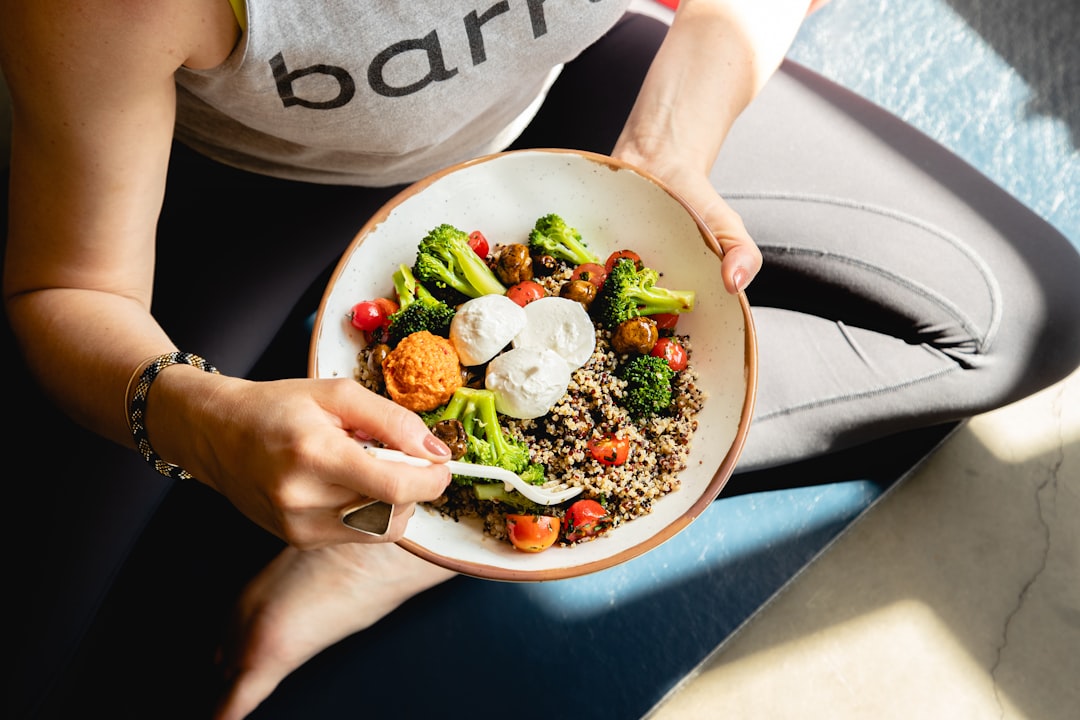
Three to four hours before game time, eat your main pre-game meal. This window gives your body enough time to digest and convert food into usable energy. A good template is a palm-sized portion of lean protein (grilled chicken, turkey, eggs, or Greek yogurt), a generous serving of whole-grain carbohydrates (pasta, rice, whole-grain bread, or potatoes), and a piece of fruit or light vegetable on the side. A simple example like a turkey sandwich on whole-grain bread with pretzels and fresh fruit is easy to prepare and easy to digest.
One hour before the game, switch to lighter fare. A banana, a small handful of pretzels, a granola bar, or peanut butter crackers all deliver quick-burning carbohydrates without overwhelming your digestive system. This is not the time for another full meal. Avoid high-protein or high-fat foods in this window — they take much longer to digest and can lead to cramping or nausea right when you need to perform.
Best Foods and Meals for Game Day
The foundation of any solid pre-game meal is carbohydrates. They are the body’s primary fuel source during high-intensity activity. Whole-grain options like oatmeal, brown rice, whole-wheat bread, and pasta provide steady energy rather than a quick spike and crash. Fruits like bananas and oranges work well too, especially closer to game time when lighter options are preferable.
Pair carbohydrates with a moderate amount of lean protein to help stabilize blood sugar and keep energy levels steady throughout the game. Good choices include grilled chicken or turkey, eggs, Greek yogurt, beans, or low-fat dairy. A pre-game breakfast like scrambled eggs with roasted potatoes, fruit, and low-fat milk eaten about three hours before an early competition is a practical, balanced option that’s easy on the stomach.
Healthy fats from sources like nut butters or avocado are fine at the 3–4 hour meal but should be kept minimal as you get closer to game time, since fat takes the longest of the three macronutrients to digest. The goal as kick-off approaches is simplicity: easy-to-digest carbs with a small amount of protein.
Hydration: Don’t Skip This Step
Hydration is not something to sort out in the locker room before warm-ups. It needs to start the day before, and ideally the morning of the game. A practical benchmark: aim to drink roughly half your body weight in ounces of water throughout the day. A young athlete who weighs 120 pounds should be working toward around 60 ounces daily, with more on game days.
With your pre-game meal 3–4 hours out, drink at least 20 ounces of water. Then sip another 8–10 ounces about an hour before the game. During play, aim for roughly half a cup of fluid every 15 minutes to stay topped off. For activities lasting under an hour, water is all that’s needed. For longer competitions or intense heat, a sports drink can help replace lost electrolytes and provide additional carbohydrates — but it should supplement water, not replace it.
Foods to Avoid — and Common Mistakes
Fried and fatty foods are the top offenders. Burgers, pizza, fried chicken, and fast food all require significant energy to digest and can leave an athlete feeling heavy and sluggish. High-sugar treats like candy, soda, and cookies cause a fast blood sugar rise followed by a crash — exactly the wrong pattern before competition. Energy drinks are a particular concern for youth athletes and should be avoided entirely, as health authorities have linked them to adverse cardiovascular effects in young people.
High-fiber foods like raw vegetables, beans, and bran are nutritious in general but can cause stomach discomfort when eaten right before intense physical activity. Save them for meals that aren’t game-day timed. And one of the most common mistakes: skipping the pre-game meal altogether because of nerves. If a young athlete has pre-competition anxiety that makes eating difficult, a banana, smoothie, or sports drink is better than nothing — it keeps blood sugar up and prevents early fatigue.
Finally, never try a brand-new food on game day. Test new meals and snacks during practice weeks or scrimmages to learn how your body responds. What works perfectly for a teammate may not work for you. The off-season and pre-season are the right times to experiment.
Explore more: Training & Performance.
Pre-Game Meal Guide for Young Athletes FAQs
What should a young athlete eat if the game is first thing in the morning?
For early games, wake up as early as possible and eat a light, carbohydrate-focused breakfast — oatmeal with fruit, a whole-grain bagel with peanut butter, or scrambled eggs with toast. Even a small meal is better than competing on an empty stomach. Prioritize hydrating the night before since your body loses water overnight.
Are sports drinks necessary before a game?
For most young athletes, water is the best choice before and during a game. Sports drinks become genuinely useful during activities that last longer than an hour or in hot, humid conditions where sweat loss is high, since they replenish electrolytes and provide quick carbohydrates. For shorter games, they’re optional — but if pre-game nerves prevent eating, a sports drink can help maintain blood sugar levels.
How much should a young athlete eat the night before a big game?
Focus on a carbohydrate-rich dinner with lean protein — pasta, rice, or potatoes paired with chicken or fish is a classic approach. Eat a normal, satisfying portion rather than stuffing yourself. The goal is to top off glycogen stores in the muscles, not to overload the digestive system before sleep.
Level Up With SportsSteps
Track your athlete’s progress, connect with coaches and your team, and grow — get the SportsSteps app. Get the SportsSteps App.
Photo by Clark Douglas on Unsplash.