
Kids with ADHD have energy to spare, but finding the right sport can feel like trial and error — and the wrong environment often means boredom, bench-sitting, or meltdowns before the season ends. The good news is that physical activity is one of the most effective tools for helping kids with ADHD channel their energy, build confidence, and develop self-regulation skills.
This guide draws on guidance from coaches, pediatric specialists, and parents to break down which sports tend to work best, why they work, and exactly what to look for when you’re choosing an activity and a program for your child.
Quick Answer
Individual sports with continuous action and one-on-one coaching — especially martial arts, swimming, gymnastics, and tennis — are consistently recommended for kids with ADHD because they minimize downtime, offer clear structure, and give children immediate personal feedback. High-motion team sports like soccer and basketball can also be a strong fit. The most important factor isn’t the sport itself but whether your child is interested in it and whether the coach understands how to work with ADHD brains.
Sports That Consistently Work Well for Kids with ADHD
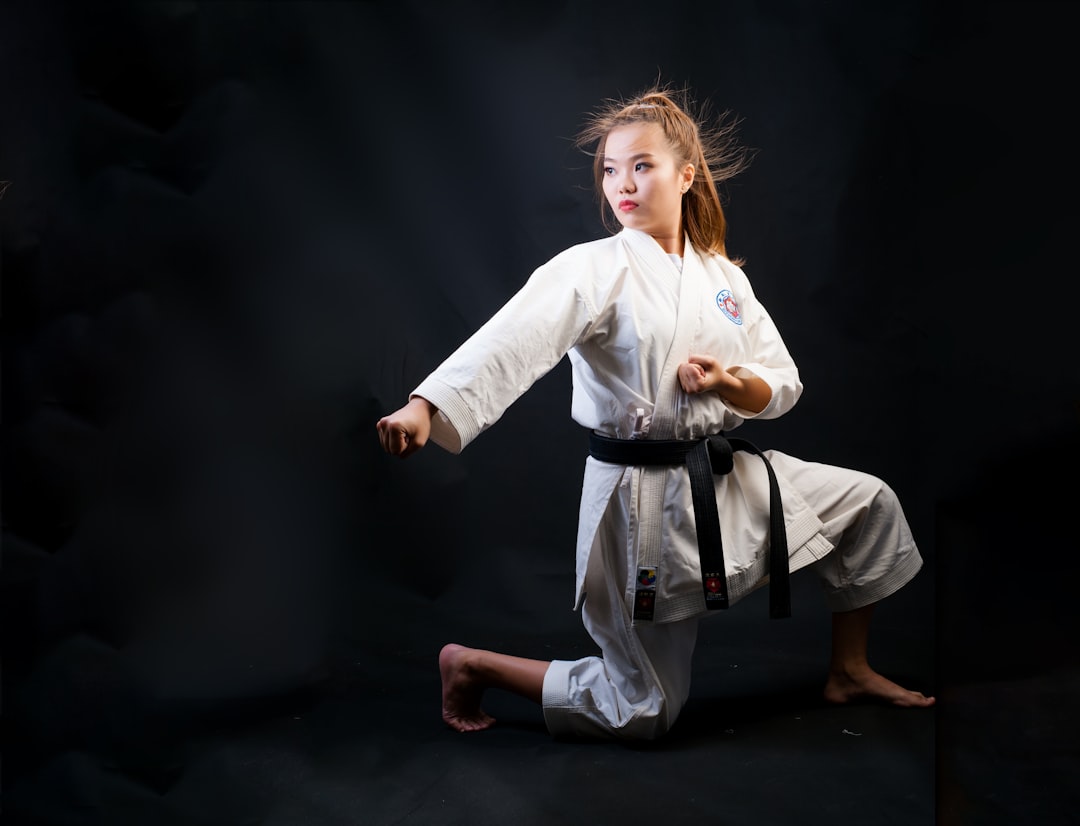
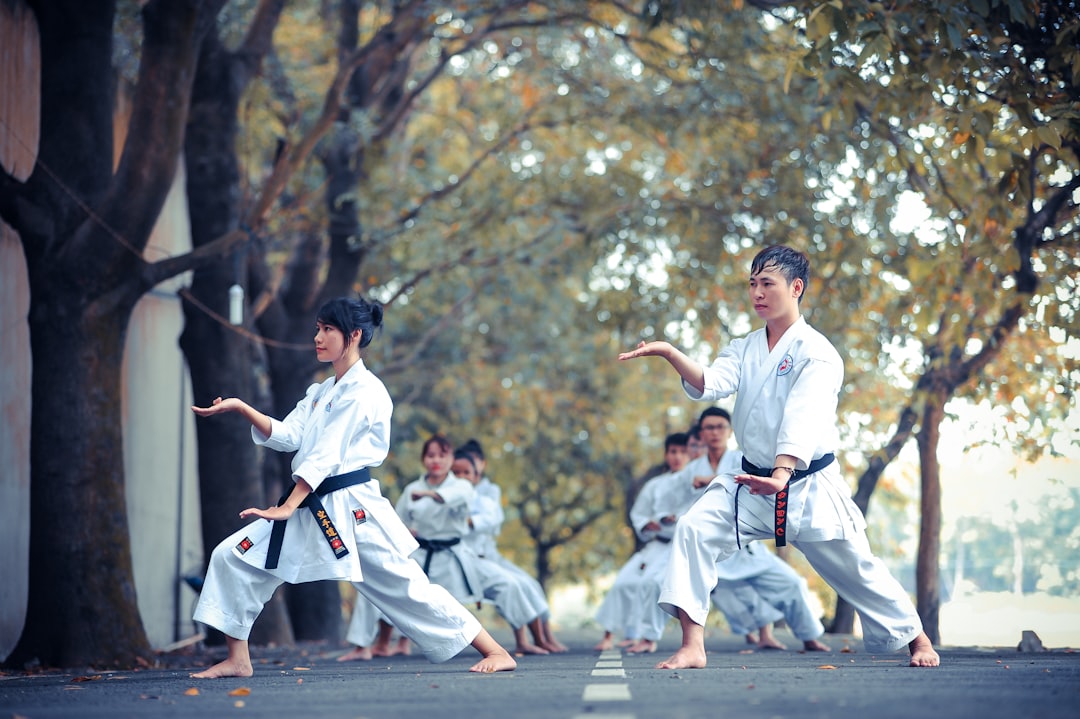
Martial arts (karate, taekwondo, jiu-jitsu) top nearly every list from both coaches and child development specialists. The reason is structural: each class follows a predictable rhythm, skills are taught step-by-step with immediate correction, and the entire philosophy centers on self-control and discipline. Kids earn visible progress through belt levels, which provides concrete motivation. There’s little idle time, and instructors direct attention at the individual rather than a group.
Swimming is another standout. The rhythmic, repetitive nature of strokes has a genuinely calming effect on many kids with ADHD, and pool lanes create a focused, low-distraction environment. Swimmers often work closely with a coach one-on-one, and unlike team field sports, a lapse in attention doesn’t let a teammate down — it simply becomes the next thing to improve.
Gymnastics and wrestling both excel at channeling excess physical energy into structured, skill-based movement. Gymnastics develops body awareness, balance, and core strength — skills that overlap with what occupational therapists work on — and progress is measured through clearly defined skills and routines. Wrestling gives kids a controlled physical outlet that many describe as the one place where their intensity is actually an asset.
Tennis and track and field work well for kids who thrive on self-improvement rather than team dynamics. Tennis is fast-paced enough to hold attention and rewards kids who love competing against their own personal best. Track and field is especially inclusive — events vary enough that almost every kid can find a niche — and there is almost no downtime between practice rotations.
Rock climbing has grown rapidly as a youth sport and suits ADHD kids particularly well: each route is essentially a physical puzzle that demands concentration and planning, the feedback is immediate (you either make the move or you don’t), and progress is highly visual.
High-Action Team Sports That Can Still Work
Team sports aren’t off the table — the key is choosing ones that keep kids moving almost constantly. Soccer, basketball, and ice hockey are the most commonly recommended because players are rarely standing still. Compare that to baseball or football, where a child can go several minutes without being involved in a play, which is where attention drifts and frustration builds.
If your child gravitates toward team sports, look for recreational or developmental leagues rather than highly competitive travel programs, at least to start. Smaller rosters mean more touches on the ball and more moments of involvement per practice. Coaches in recreational leagues also tend to have more flexibility to adapt their approach for individual kids.
It’s worth noting that many kids with ADHD end up in team sports and genuinely love them — especially when a coach knows how to keep practice moving, uses short drill rotations, and gives every player an active role. The team environment can also be motivating socially, which matters for kids who sometimes struggle with peer relationships.
Tips for Coaches and Parents
Talk to the coach before enrolling. A knowledgeable, empathetic coach matters more than the sport itself. Ask how they handle attention issues and what their approach to mistakes looks like. A coach who relies on punitive measures — extra laps for inattention, public corrections — tends to backfire with ADHD kids. Look for coaches who use positive reinforcement, short instructions, and keep the energy high.
Let your child lead the choice. Interest is the biggest predictor of stick-to-itiveness. A kid who chose the sport themselves is far more likely to push through the early frustrating weeks than one who was steered into it. If they want to try something unexpected, let them — some kids with ADHD thrive in archery or horseback riding, both of which build focus and emotional regulation in surprising ways.
Prioritize structure and fast feedback over prestige. The best sports for ADHD brains offer clear rules, frequent feedback, and minimal waiting. If a program has kids standing around for long stretches during practice, that’s a red flag regardless of the sport’s reputation.
Don’t give up after one bad season. It may take trying two or three different activities before the right match clicks. Many parents report that their child struggled in one sport and thrived in another simply because the coaching style or environment was different. Keep the experience low-pressure and celebrate effort over outcome, especially in the beginning.
Explore more: Youth Sports guides and resources.
Sports for Kids with ADHD FAQs
Are individual sports or team sports better for kids with ADHD?
Individual sports often have structural advantages — one-on-one coaching, fewer distractions, and personal accountability — but many kids with ADHD thrive in team sports too, especially fast-moving ones like soccer or basketball. There’s no single right answer; it depends on your child’s temperament, social needs, and what interests them most.
What should I look for in a coach for my child with ADHD?
Prioritize coaches who use positive reinforcement, give short and clear instructions, keep practice moving with minimal downtime, and are open to learning about ADHD. Before enrolling, have a direct conversation about how they handle inattention or impulsive behavior — a supportive coaching relationship is often more important than the sport itself.
Can playing sports actually help with ADHD symptoms?
Physical activity is widely recognized by pediatric specialists as beneficial for kids with ADHD. Regular exercise can help with mood, impulse control, and the ability to focus — and structured sports add the benefits of routine, goal-setting, and social connection. Sports won’t replace other treatments, but they’re a valuable part of a well-rounded support plan.
Level Up With SportsSteps
Track your athlete’s progress, connect with coaches and your team, and grow — get the SportsSteps app. Get the SportsSteps App.
Photo by Thao LEE on Unsplash.