
Sports can be one of the most rewarding parts of a child’s life — building confidence, teaching teamwork, and creating friendships that last for years. But when the pressure and volume of training outpace a child’s ability to recover, that love for the game can quietly erode. Sports burnout in young athletes is a real condition recognized by pediatricians, and it builds gradually enough that many parents don’t notice it until their child is ready to walk away for good.
This guide walks you through the seven clearest warning signs that your child may be on the path to burnout, what’s driving it, how to judge whether their training load is actually too much, and the concrete, step-by-step actions you can take to protect their relationship with sports — and with you.
Quick Answer
Sports burnout develops when training demands consistently exceed a young athlete’s capacity to rest and recover. The earliest and most reliable warning signs are a child who once loved their sport now dreading practice, fatigue that sleep doesn’t fix, frequent unexplained aches, and mood or personality changes that extend well beyond game days. If you’re seeing two or more of these signs together over several weeks, it’s time to take action — starting with an honest, low-pressure conversation and a real reduction in training volume.
The 7 Warning Signs of Youth Sports Burnout
Loss of enthusiasm is usually the first thing parents notice. A child who used to bound out the door for practice now drags their feet, makes excuses to skip, or goes through the motions without any joy. This shift from intrinsic motivation to simply going through the motions is one of the most reliable early red flags.
Fatigue that rest doesn’t fix is a major physical indicator. If your child is sleeping enough hours but still seems exhausted day after day — particularly after practice or games — their body is signaling that it needs a different kind of recovery, not just more sleep. The American Academy of Pediatrics and sports medicine specialists both list persistent fatigue as a hallmark of overtraining syndrome.
Chronic aches, pains, and slow recovery are worth tracking closely. Muscles and joints that are perpetually sore — not from a specific injury, but as a baseline state — indicate the body isn’t getting enough time to repair between sessions. Frequent minor illnesses often show up alongside this, since chronic overtraining can suppress the immune system.
Mood and behavior changes are often the most alarming for parents. Irritability, unusual anxiety around performance, and withdrawal from teammates and friends are common. Some kids become uncharacteristically emotional after losses or mistakes and can’t shake a bad practice for days.
Declining performance despite continued — or even increased — effort is a counterintuitive sign that catches many parents off guard. When a child trains harder but gets worse, it usually means their system is overwhelmed rather than under-prepared. A drop in school performance or disrupted sleep alongside the athletic decline makes the picture clearer.
Social withdrawal from teammates and friends outside of sport often follows once the mental toll grows heavy. Burned-out athletes stop engaging during downtime, skip team social events, and increasingly isolate themselves.
Negative talk about their own sport is a verbal cue worth listening for. Phrases like ‘I don’t even care if we win,’ complaints that used to be rare becoming constant, or describing practice in flat, joyless terms are often how kids signal burnout before they can name it directly.
What’s Driving Burnout in Young Athletes
Early single-sport specialization is one of the leading contributors. When children focus intensively on one sport year-round — often starting as young as seven or eight — they miss the varied physical and psychological benefits of playing multiple sports and stack repetitive stress on both body and motivation. Playing on multiple teams in the same sport at once creates a similar problem: more volume with no corresponding increase in recovery time. The American Academy of Pediatrics recommends that children play multiple sports rather than specializing in one, at least until puberty, specifically to reduce burnout and overuse-injury risk.
Pressure — from coaches, parents, or a child’s own internal drive — compounds everything. When winning becomes the overriding goal and mistakes are treated as failures rather than learning moments, the psychological cost of playing climbs quickly. Kids who feel their parents’ approval is tied to athletic performance carry an invisible weight into every practice and game.
The absence of structured breaks is a practical root cause many families overlook. Pediatric sports medicine groups, including Children’s Hospital of Orange County (CHOC), recommend at least one to two rest days per week from organized sport and two to three months off from a child’s primary sport each year, with those months spent staying generally active rather than fully sedentary. Many young athletes today get neither.
How Many Hours Is Too Many? Age-Based Training Guidelines
A widely cited guideline from pediatric sports medicine is that a child’s weekly hours of organized sport training shouldn’t exceed their age in years — so a ten-year-old shouldn’t be training more than roughly ten hours per week across all activities, including practices, games, and private lessons combined. Many kids far exceed this without anyone adding it up across teams and seasons.
Beyond the weekly cap, pediatric guidance also recommends increasing training load gradually — no more than about 10% to 20% more volume or intensity per week — rather than jumping sharply after a break or a new season start. Sudden spikes in training load are one of the most common triggers for both overuse injury and burnout, even in kids who were previously handling their schedule fine.
If you tally your child’s hours across every team, lesson, and open gym session and the number is creeping well past their age, or past roughly 16-20 hours a week for older teens, that’s a concrete signal to scale back before symptoms show up — not after.
What to Do If You See These Signs: A Step-by-Step Plan
Start by listening — really listening. Ask open-ended questions like ‘How are you feeling about your sport lately?’ rather than yes-or-no questions about whether they still want to play. Their answers, and what they struggle to say, will tell you more than any checklist. If they can’t name anything they currently enjoy about it, that’s important information on its own.
Reduce the actual training volume before anything else. Cut private lessons, extra workouts, or a second team first — these are usually the most negotiable hours and the ones adding load without adding recovery. Protect at least one to two full rest days a week and treat them as non-negotiable, the same way you’d treat a practice.
Loop in the coach. A good coach wants a sustainable, engaged athlete and should be willing to discuss training load, playing time, and expectations with you. They may also be seeing changes at practice that you aren’t seeing at home, and a shared plan works better than a one-sided pullback.
Rebuild the social and fun side of the sport deliberately. Plan low-stakes activities with teammates outside of organized practice, and pull back on performance-focused conversations at home — let your child bring up stats and results if they want to, rather than leading with them yourself.
Give it time. Burnout built up over months typically doesn’t resolve in a week; expect gradual re-engagement over several weeks of reduced load and lower pressure, not an overnight return to full enthusiasm.
When Burnout Needs a Doctor’s Attention
Most burnout responds to rest, reduced training load, and the conversations above. But if symptoms persist for more than two to three weeks despite real changes at home, or if you notice signs of anxiety, depression, disordered eating, or an injury that isn’t healing with rest, it’s time to involve your pediatrician or a pediatric sports medicine specialist. They can rule out underlying medical causes, formally assess for overtraining syndrome, and help build a structured return-to-play plan if needed.
Photos
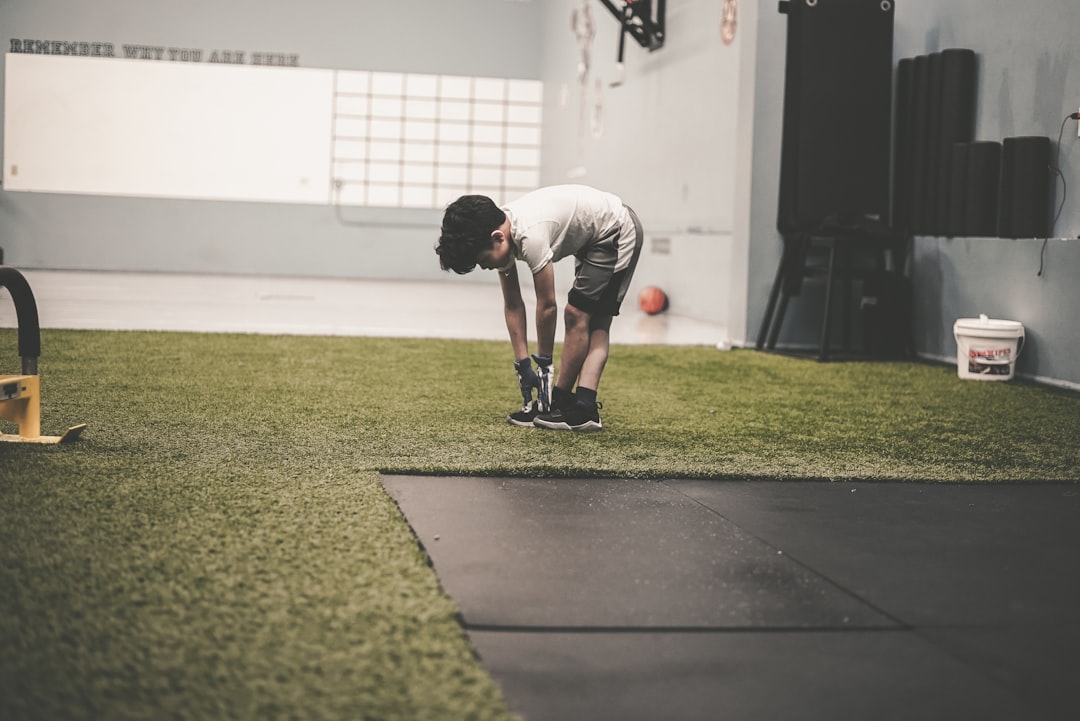
youth sports burnout warning signs FAQs
What exactly is youth sports burnout?
It’s a state of physical and emotional exhaustion that develops when a young athlete’s training demands consistently outpace their recovery, leading to reduced enjoyment, declining performance, and sometimes withdrawal from the sport entirely. It’s recognized by pediatricians as a real outcome of chronic overtraining, not just a motivation problem.
At what age can kids start experiencing sports burnout?
It can appear as early as elementary school, especially in kids who specialize in one sport young, but it’s most commonly reported in middle and high school athletes as training volume, competition pressure, and schedules intensify.
How do I know if it’s burnout or just a bad week?
One rough week — a loss, a tough practice, a tired day — is normal and usually resolves on its own. Burnout is a pattern: two or more warning signs showing up together and persisting for several weeks rather than clearing up after a day or two of rest.
Will quitting the sport entirely fix burnout?
Not always, and it isn’t always necessary. Many kids recover fully with a reduced schedule, genuine rest days, and lower pressure while staying in the sport. Quitting is sometimes the right call, but it should follow an honest conversation about what’s actually driving the burnout, not be the first response.
How long does recovery from sports burnout usually take?
It varies by severity, but most kids need several weeks of meaningfully reduced training load and lower performance pressure before enthusiasm starts returning. Burnout that built up over months typically takes weeks, not days, to resolve.
Can playing multiple sports actually prevent burnout?
Yes — pediatric sports medicine groups, including the American Academy of Pediatrics, recommend multi-sport participation over early single-sport specialization specifically because it varies the physical demands on the body and keeps the psychological experience of sport more varied and less pressure-loaded.
Level Up With SportsSteps
Track your athlete’s progress, connect with coaches and your team, and grow — get the SportsSteps app. Get the SportsSteps App.
Want training tips and sports news in your inbox? Subscribe to the free newsletter.