
The car ride home after a bad game can feel like defusing a bomb. Your child is frustrated, maybe in tears, and you want to help—but the wrong words at the wrong moment can make things worse. What you say (and don’t say) in the hour after a tough performance shapes how your child learns to process setbacks, not just in sports, but in life.
This guide pulls together advice from sport psychologists and youth sports experts to give you a practical, phrase-level playbook: what to say, when to say it, and what to bite your tongue on—no matter how strong the urge.
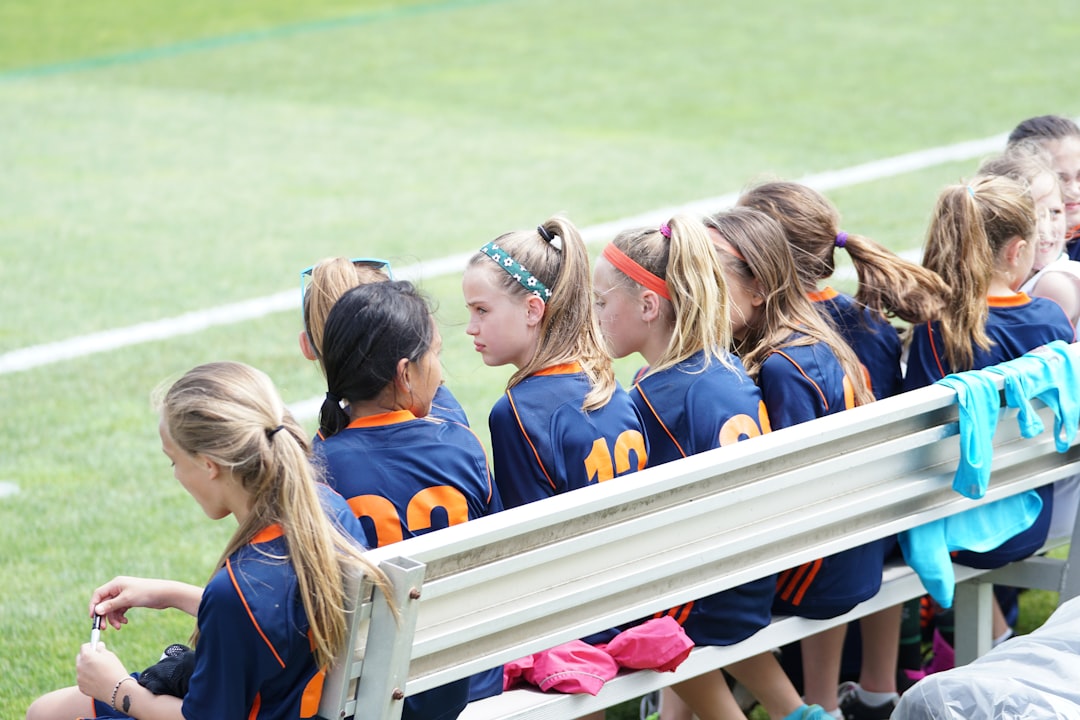
Quick Answer
The single most effective thing you can say after a bad game is simply: ‘I love watching you play.’ Then stop talking. Give your child a hug, let them feel their emotions, and wait for them to bring up the game on their own terms. Less is almost always more in those first thirty minutes.
What TO Say After a Bad Game
Start with silence and physical support. A hug before any words tells your child their value is not tied to the scoreboard. The Association for Applied Sport Psychology recommends letting your athlete initiate any conversation about the game—sometimes they just need to sit quietly on the ride home without being interrogated.
When you do speak, keep it simple and unconditional. Phrases like ‘I love you,’ ‘I’m proud of how hard you work,’ or ‘I love watching you play’ communicate support without putting pressure on performance. Asking ‘Where do you want to grab food?’ is a quiet but powerful signal that your mood is not determined by the outcome.
If your child wants to talk, lead with open-ended, feeling-first questions: ‘How are you feeling right now?’ or ‘Do you want to talk about it?’ This hands them control over the conversation and signals that their emotional experience matters more to you than the stat line. Sport psychologists at Psychology Today suggest waiting hours—or even until the next day—before asking, ‘Would you like to talk about the game?’ so they can process on their own timeline.
Once they open up, listen to understand rather than to respond. Resist the urge to offer solutions or silver linings. Reflecting back what they say—’That sounds really frustrating’—validates their experience without minimizing it or rushing them past it.
What NOT to Say After a Bad Game
Avoid hollow praise. Saying ‘You played great!’ or ‘Good game’ when your child knows they didn’t will erode trust. Kids are perceptive—they can tell when you’re being dishonest, and insincere comfort often makes them feel more alone, not less.
Skip the replay. Launching into a breakdown of missed shots, wrong decisions, or what they should have done differently is a parent’s job only in a fantasy world—that’s the coach’s lane. The AASP warns that performance criticism from parents immediately after a game damages the parent-child relationship without actually improving play.
Don’t minimize their feelings. ‘It’s okay,’ ‘You’ll get ’em next time,’ and ‘It doesn’t matter’ are well-intentioned but land as dismissive. They tell your child their feelings are inconvenient rather than valid. Let them be disappointed. Disappointment is part of the sport, and learning to sit with it is a real skill.
Avoid comparisons to teammates. ‘Did you see how well Jaylen played today?’ adds shame to an already hard moment. The AASP specifically calls out peer comparisons as a source of lasting hurt and unnecessary pressure.
Don’t second-guess the coach in front of your child. Even if you disagree with playing-time decisions or strategy, voicing that criticism undermines your child’s trust in the team structure and creates confusion about who they should listen to.
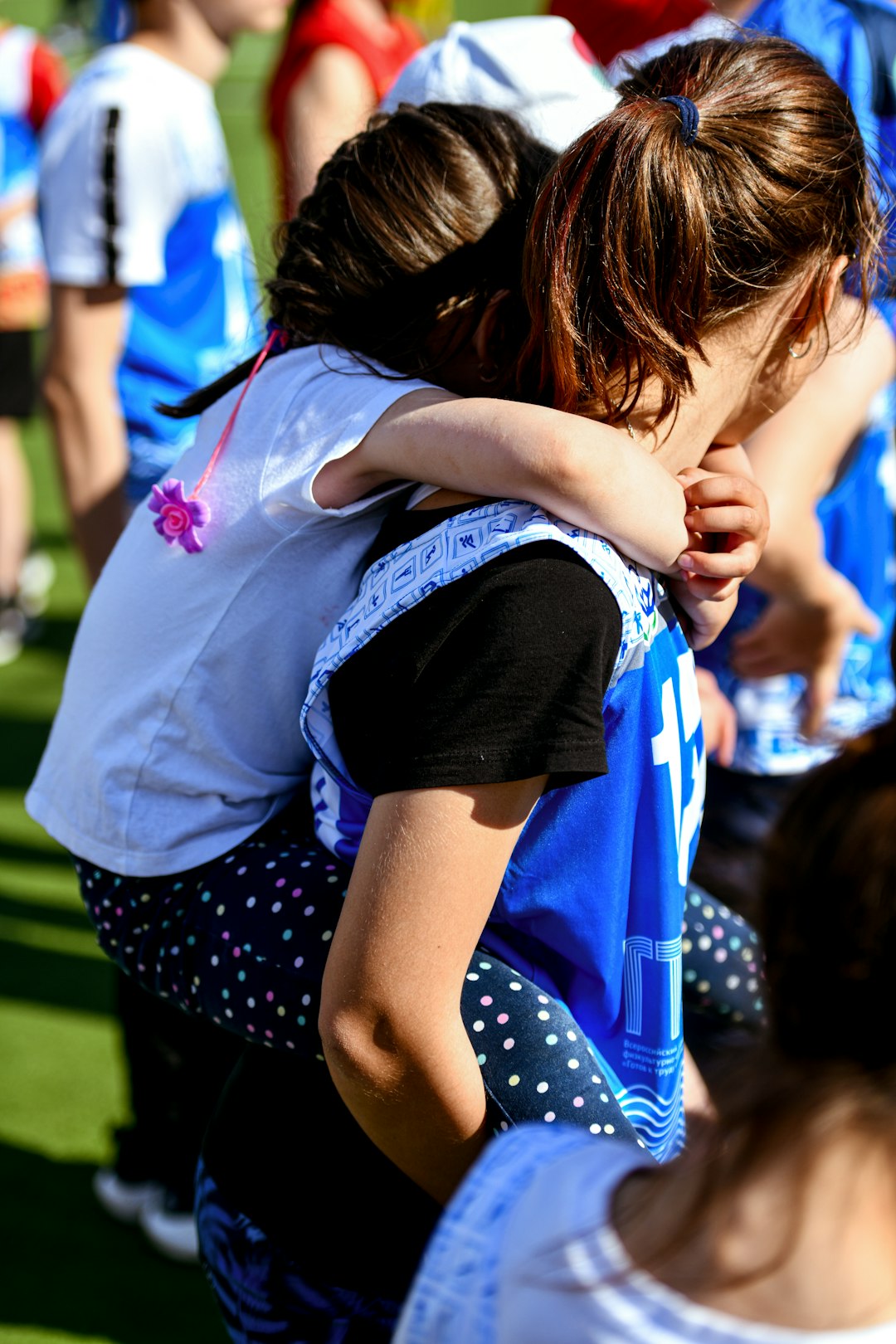
Tips and Common Mistakes
Keep your routine the same win or lose. If you always get ice cream on game nights, do it whether they won by ten or lost by twenty. This consistency teaches kids that the post-game routine isn’t a reward for performance—it’s just family time. Sport psychologists call this ‘treating wins and losses the same way,’ and it’s one of the most powerful things you can model.
Watch your body language. A tight jaw, a distracted scroll through your phone, or a heavy sigh communicates disappointment even when your words don’t. Children are reading you as closely as they’re reading their own emotions—make sure the two messages match.
Remember that their identity is not their performance. The clearest thing you can reinforce after a bad game is that your child’s worth as a person has nothing to do with what happened on the field. This isn’t something you say once—it’s a message you build over hundreds of small moments, and the car ride home is one of them.
A common mistake parents make: waiting until they’re calm to say something—but then saying too much. The goal is a brief, warm exchange, not a debrief. When in doubt, fewer words and a firm hand on the shoulder will do more than a five-minute pep talk.
Explore more: More Parent Guides for Youth Sports.
What to Say After a Bad Game FAQs
What if my child doesn’t want to talk at all after a bad game?
That’s completely normal and should be respected. Give them space and let them know you’re available whenever they’re ready. Forcing the conversation typically shuts it down further. Some kids process internally before they’re ready to share—check in the next morning if they haven’t brought it up.
Is it okay to point out specific mistakes after a bad game so they can improve?
Not right after the game—that’s the coach’s role, and doing it as a parent immediately after a loss tends to hurt rather than help. If your child asks for your honest feedback, you can share it gently and briefly, but the better time is a calm, separate conversation at least a day later, not in the heat of the moment.
My child gets really angry after bad games and takes it out on us. What should we do?
Give them room to cool down before engaging. Acknowledge the feeling without rewarding the behavior—’I can see you’re really upset, and that makes sense’ is different from arguing or punishing in the moment. Once they’re calm, you can briefly discuss how to handle those emotions differently next time. Youth sports psychology experts recommend modeling calm yourself, since kids often mirror a parent’s emotional regulation.
Level Up With SportsSteps
Track your athlete’s progress, connect with coaches and your team, and grow — get the SportsSteps app. Get the SportsSteps App.
Photo by Jeffrey F Lin on Unsplash.