Your kid goes down on the field, pops back up limping, and insists they’re fine — but you’re not so sure. Deciding whether a sports injury is a walk-it-off bump or something that needs medical attention is one of the most stressful judgment calls in youth sports, and getting it wrong in either direction has real costs: a missed fracture that heals crooked, or an unnecessary ER trip at 11 p.m. for a bruise.
This guide breaks down the specific signs that mean “see a doctor today,” the ones that mean “call 911 or go to the ER,” and the ones where home care and a wait-and-see approach are genuinely fine. It also covers why children’s injuries — especially to growth plates — need a different level of caution than the same injury in an adult.
Quick Answer
Take your child to a doctor if pain or swelling hasn’t improved after 2-3 days of rest, ice, and over-the-counter pain relief; if they’re limping, favoring a limb, or refusing to use it; or if a joint or growth-plate area (near the ends of long bones) is tender. Go straight to the ER or call 911 for a visible deformity, inability to bear any weight, sudden severe swelling, loss of consciousness, or any concussion symptom that is worsening.
Signs That Mean Emergency Room, Right Now
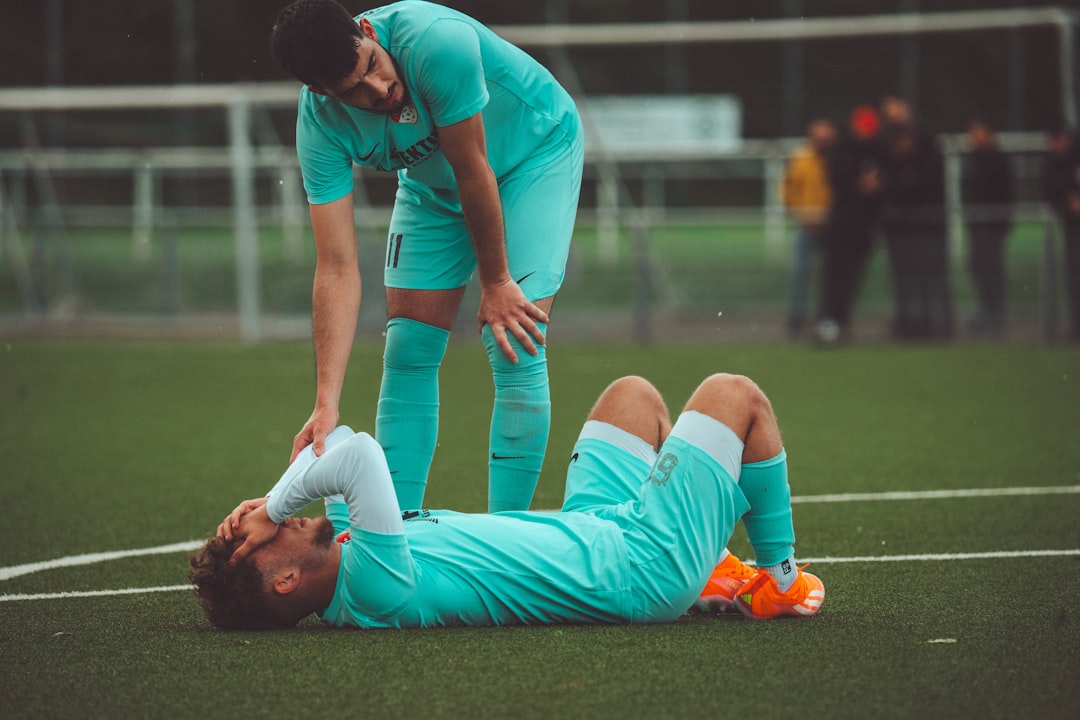
Some injuries don’t leave room for a wait-and-see period. Get emergency care immediately for an obvious deformity (a limb that’s bent or shaped wrong), a bone visibly out of place, or heavy bleeding. Sudden, severe swelling within minutes of the injury can signal a major tear or fracture and shouldn’t be watched at home.
Head injuries deserve their own checklist, based on CDC HEADS UP guidance for youth sports. Call 911 or head to the ER if your child has one pupil larger than the other, is drowsy or hard to wake up, has a headache that keeps getting worse, has repeated vomiting, or shows slurred speech, weakness, numbness, or loss of coordination. Loss of consciousness — even briefly — is also a reason to be seen the same day. If concussion symptoms (confusion, dizziness, sensitivity to light, feeling foggy) appear and then get worse over the following hours, that’s an ER visit too, not a wait-and-see situation.
Also treat it as an emergency if your child cannot put any weight at all on an injured ankle, knee, or foot, or won’t move an injured shoulder or elbow and holds it cradled against their body.
Signs That Mean Call the Pediatrician This Week (Not the ER)
Most youth sports injuries fall into a middle category: not a 911 emergency, but not something to just ice and ignore either. Schedule a doctor’s visit if pain or swelling hasn’t meaningfully improved after 2-3 days of basic home care (rest, ice, compression, over-the-counter pain relief). Persistent limping or favoring one side is a signal worth taking seriously — early rest is far cheaper than a season-ending injury caused by playing through it.
Pay extra attention to pain located at a joint or near the end of a long bone (wrist, ankle, knee, shoulder). Because kids’ bones are still growing, injuries near the growth plate can look mild at first — subtle swelling, tenderness you have to press to find — but if missed or under-treated, they can affect how the bone grows. When in doubt about a joint-area injury, it’s worth getting it checked and imaged rather than assuming it’s a routine sprain.
Swelling paired with redness, warmth, fever, or pain that doesn’t match any clear injury (no fall, no collision) is also worth a same-week visit, since it can occasionally indicate an infection in the bone or joint rather than a typical sports injury.
For where to go: urgent care is a reasonable middle step for a suspected minor fracture or an injury that needs an X-ray but isn’t limb-threatening. Save the ER for the red-flag signs above, and use your pediatrician or a pediatric orthopedist for anything involving a joint, a growth plate, or pain that lingers — they can examine, order imaging if needed, and refer to a specialist when warranted.
Tips and Common Mistakes
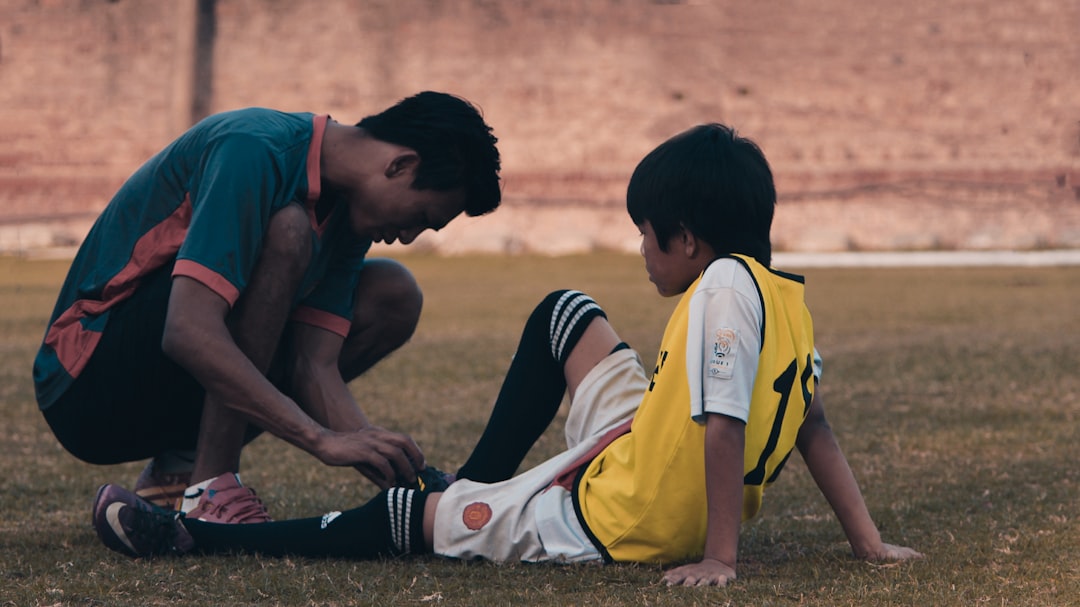
Don’t rely on ‘they can still walk on it’ as proof nothing’s wrong — plenty of significant sprains, and even some fractures, still allow limited weight-bearing. Watch how they move, not just whether they can move.
Don’t clear a concussion based on how your child feels in the first few minutes. Symptoms can take hours or even a day or two to fully show up, so a kid who seems ‘a little off’ right after a hit should be watched closely for the rest of the day, not sent back in.
Don’t skip the follow-up visit for growth-plate-area injuries just because swelling goes down. These injuries can look better on the surface while the underlying bone still needs monitoring, sometimes with a repeat X-ray weeks later.
Don’t let ‘toughness’ culture make the decision for you. A coach or teammate saying ‘shake it off’ isn’t a medical opinion — trust what you’re actually seeing in your child’s ability to use the limb or think clearly.
Explore more: More youth sports safety guides.
Youth sports injury care FAQs
Should I go to urgent care or the ER for a possible broken bone?
Urgent care is fine for a suspected minor fracture with no visible deformity and stable vital signs. Go to the ER instead if there’s an obvious deformity, the skin is broken near the bone, or your child can’t bear any weight on the injured limb at all.
How long should I wait before taking my child to the doctor after a sports injury?
If pain or swelling isn’t clearly improving after 2-3 days of rest, ice, and over-the-counter pain relief, it’s time to get it checked rather than continuing to wait.
Can my child go back to play the same day after hitting their head?
No. Any suspected concussion means stopping play immediately for the day, even if symptoms seem mild or resolve quickly, since symptoms can worsen over the following hours.
Why are growth plate injuries treated so cautiously in kids?
Growth plates are areas of developing cartilage near the ends of long bones where growth happens. An injury there can be subtle but, if missed, may affect how the bone grows over time, so joint-area pain in kids is checked more carefully than the same pain in an adult.
Level Up With SportsSteps
Track your athlete’s progress, connect with coaches and your team, and grow — get the SportsSteps app. Get the SportsSteps App.
Photo by Omar Ramadan on Unsplash.