
Every flag football coach hits this wall in week one: a defender sprints in, panics, and grabs a fistful of jersey instead of the flag. It’s not defiance, it’s instinct — grabbing cloth feels more certain than snatching a thin strip of fabric off a moving hip. The fix isn’t yelling “no grabbing” louder, it’s rebuilding the habit with the right drills and cues.
This guide walks through why kids default to jersey grabs, the technique that replaces it, a short progression of drills you can run in a single practice, and the rule on the other side of the ball — flag guarding — that coaches often forget to explain even though it’s the reason some “clean” pull attempts still fail.
Quick Answer
Teach kids to focus their eyes on the flag belt (not the runner’s shoulders or head), close the distance with short choppy steps instead of a full-speed lunge, and use one quick hand snap to pull the flag near where it clips to the belt. Drill this in slow, stationary reps before adding speed, and call out “eyes down” every time a hand goes toward a shoulder.
Why Kids Default to Grabbing Jerseys
Jersey grabbing usually isn’t a discipline problem — it’s a targeting problem. Young players naturally watch the ball carrier’s upper body (head, shoulders, arms) because that’s where the eyes are trained to look in most other sports. A flag belt sitting at hip height is an unfamiliar target, and it moves unpredictably as the runner’s hips rotate, so kids instinctively grab whatever fabric is closest and easiest to hold onto.
Speed makes it worse. When a defender closes the gap too fast, they arrive off-balance and reach with a lunging, all-or-nothing grab. At that point the flag is a small, fast-moving target, and a shirt is a much bigger, slower one — so the shirt wins by default. Slowing the approach is just as important as fixing where the hands go.
The Technique That Fixes It
Start with the eyes: have players lock onto the runner’s waist and belt, not the head or shoulders — shoulders and head fake, hips don’t lie about where the flag is going. Say it out loud in every drill: “watch the belt.”
Next, fix the footwork. As a defender closes the last few yards, they should shorten their strides into quick, choppy steps and break down into a low, balanced position — almost like getting ready to tackle, but staying upright. Arriving under control means both hands are free to grab cleanly instead of one arm flailing out from a full sprint.
Finally, teach the grab itself: reach for the flag near the top, where it attaches to the belt, rather than snatching at the loose end flapping in the wind. The base is more stable and far easier to secure with one quick, decisive pull — some coaches describe it as a short “bearhug” motion toward the hip rather than a swipe at the air. A confident, single snap works better than a grabbing, clawing motion — the clawing motion is what turns into a jersey grab when the flag slips.
Make sure players understand what’s at stake if the technique breaks down: pushing, holding, or wrapping up a runner instead of pulling the flag is a foul in most leagues, usually called as holding or illegal use of hands. It’s typically a live-ball foul, meaning play keeps going and the penalty is marked off from the spot once the down ends — often real yardage plus an automatic first down for the offense, though the exact distance varies by league. So the habit you’re building isn’t just about making a clean stop, it’s about not handing the other team a free set of downs.
Flag Guarding: The Rule on the Other Side of the Ball
Even a defender with perfect technique can get stonewalled by a runner who’s bending the rules, so it’s worth teaching this alongside the pulling technique. “Flag guarding” is when the ball carrier illegally shields their own flag — stiff-arming a defender away, swinging an arm or the ball down over the belt, or lowering a shoulder to block access to it. Most leagues call this a foul on the offense, separate from and opposite to a defender’s jersey grab.
Explaining both rules together helps kids understand the bigger picture: flag football is built around a clean, visible pull, and both sides have a job to keep that pull possible. A runner who swats down every reach is just as likely to draw a flag as a defender who grabs cloth instead of fabric at the belt. If you referee your own practices or scrimmages, calling flag guarding on offense the same way you’d call a missed pull on defense reinforces that the rule cuts both ways.
Drills to Build the Habit
Start stationary before adding any speed. In a simple two-player drill, have the ball carrier jog straight at a stationary defender from about five yards away; the defender’s only job is to pull the flag without touching clothing. Rotate roles every few reps so both players get equal practice.
Add a no-body-turn constraint next. In a drill sometimes called the tunnel drill, the defender stands still and may only use their inside hand to pull the flag as the runner jogs past at an angle — this forces players to track the flag with their eyes instead of chasing with their whole body, which is exactly the habit that prevents panicked jersey grabs.
Once the technique holds up at a jog, layer in a change of direction. Have the runner jog at the defender, then cut or juke at the last moment, so the defender has to break down, adjust their angle, and still pull cleanly rather than lunging. This is also where a zig-zag style drill helps — it trains defenders to stay low, keep their base, and shuffle their feet instead of overrunning the play.
For a higher-energy capstone drill, set up a short lane (around 10 yards long) with a line of defenders on each side; one runner tries to get through the lane while each defender gets a single attempt to pull the flag as they pass — a format sometimes run as “the gauntlet.” It rewards a clean, decisive pull over a grab, since defenders only get one try.
Age matters here. Younger players (roughly 5–8 years old) benefit from staying at walking or jogging speed for most of a practice — their technique falls apart fast under pressure. Older or more experienced players (9–12 and up) can move through the stationary and angled drills more quickly and spend more practice time on live, change-of-direction reps and full-speed 1-on-1s. Either way, speed should be the last variable you add, not the first, since it’s what breaks technique fastest.
Tips / Common Mistakes
The single biggest mistake coaches make is skipping straight to full-speed 1-on-1 drills before the technique is grooved at walking or jogging pace — kids revert to grabbing whatever’s easiest the moment they’re rushed. Slow it down first, then add speed once the eyes and hands are doing the right thing on their own.
Watch for players reaching with one hand while their body is still turned sideways or off-balance; that off-angle reach is almost always what turns into a jersey grab. Cue them to square their shoulders to the runner before reaching.
Keep the verbal cues short and consistent across every drill and every practice — “eyes on the belt,” “short steps,” “one clean pull.” Kids retain three-word cues shouted mid-rep far better than a long explanation given on the sideline.
Praise correct attempts even when the pull misses. A player who reached for the flag and missed clean is closer to good habits than a player who grabbed a shirt and “succeeded” — reinforce the process, not just the stop.
Photos
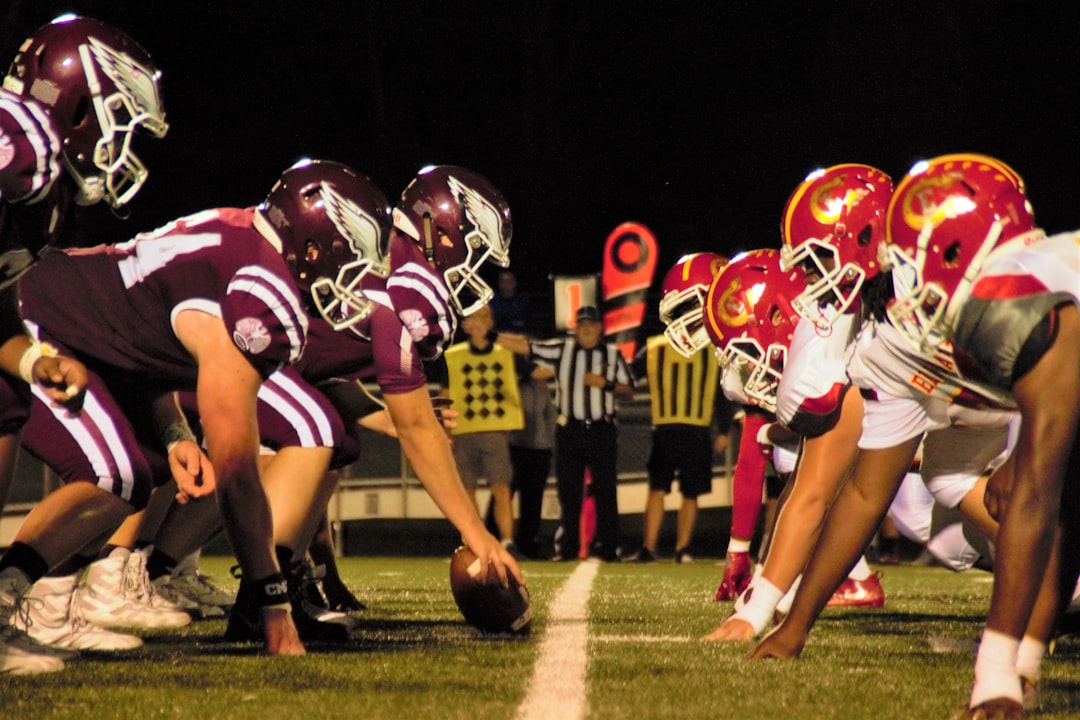
flag pulling technique for kids FAQs
Why do kids grab jerseys instead of pulling the flag?
It’s usually a targeting and speed problem, not a discipline problem. Kids are used to watching a ball carrier’s upper body, so a hip-level flag is an unfamiliar target, and when they close the distance too fast they lunge and grab the biggest, easiest thing to hold — the shirt.
What’s the single best drill for stopping jersey grabs?
A slow, stationary two-player drill where the runner jogs straight at a still defender and the defender’s only job is to pull the flag cleanly. Running this at a jog or walk before any full-speed or angled work does more to fix the habit than any single advanced drill.
Is grabbing a jersey instead of the flag a penalty?
In most youth leagues, yes — holding, pushing, or wrapping up a runner instead of pulling the flag is typically called as holding or illegal use of hands. It’s usually a live-ball foul, so play continues and the penalty is marked off once the down ends, often with an automatic first down for the offense. Exact yardage varies by league, so check your specific rulebook.
What is flag guarding, and is it the defender’s fault?
No — flag guarding is a foul on the ball carrier, not the defender. It happens when the runner stiff-arms a defender away from the flag, swings an arm or the ball down over the belt, or lowers a shoulder to block access to it. Teaching both rules together helps kids see that the pull needs to stay clean from both sides.
At what age can kids reliably pull flags instead of grabbing?
Most coaches see the habit click once players have had repeated slow-speed reps, regardless of age — but younger players (roughly 5–8) typically need more weeks of jogging-speed drills, while 9-to-12-year-olds can usually move to live, full-speed 1-on-1 reps sooner.
Level Up With SportsSteps
Track your athlete’s progress, connect with coaches and your team, and grow — get the SportsSteps app. Get the SportsSteps App.
Want training tips and sports news in your inbox? Subscribe to the free newsletter.