Most youth sports injuries — sprained ankles, tweaked knees, sore hips — happen on one leg at a time: landing from a jump, cutting hard, or absorbing contact mid-stride. Yet a lot of youth strength programs still lean heavily on two-legged moves like squats and leg presses, which don’t do much to prepare an athlete’s body for the single-leg chaos of real competition.
This guide breaks down the single-leg exercises coaches and physical therapists most often use with young athletes, how to coach them safely by age and experience level, and the mistakes that turn a good drill into a wasted rep.
Quick Answer
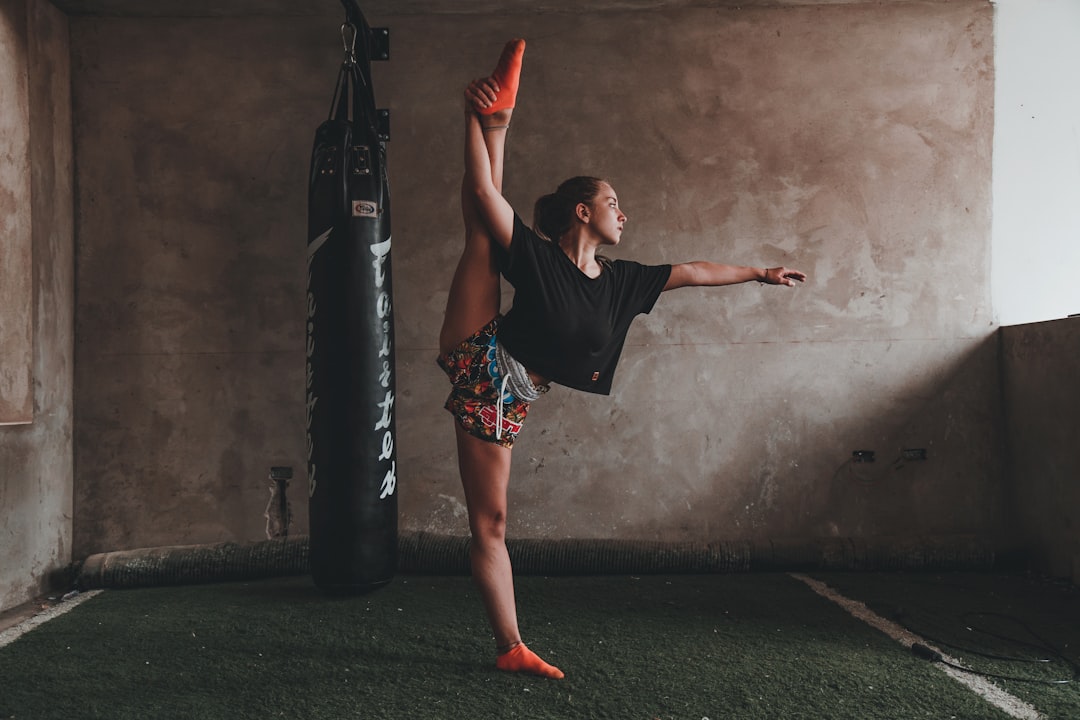
The core single-leg exercises coaches recommend for youth athletes are the split squat (and its elevated Bulgarian variation), single-leg Romanian deadlift (RDL), lateral step-down, single-leg glute bridge, and single-leg balance/landing drills. Start with bodyweight versions, master the landing and knee-tracking mechanics first, and only add load once form holds up under fatigue.
The Core Single-Leg Exercises Coaches Use
Split squat and Bulgarian split squat: The athlete steps one foot back (or rests it on a bench behind them for the Bulgarian version) and lowers straight down, front knee tracking over the foot. It builds quad and glute strength on each leg independently and is a staple in strength programs because it trains the front leg through a large range of motion without needing much load. Coaching cue: hips drop straight down, chest stays tall, and the back leg should feel light — if the back leg is doing a lot of the pushing, the load is too heavy or the stance is off.
Single-leg Romanian deadlift (RDL): Standing on one leg, the athlete hinges at the hip, sending the free leg back as the torso tips forward, then returns to standing. This targets the hamstrings and glutes — the muscles that protect the knee and ACL during deceleration and cutting — while also training balance. Cue: keep the hips square (don’t let them rotate open) and move slowly enough to stay in control.
Lateral step-down: Standing on a low step or box, the athlete slowly lowers the opposite heel toward the floor and taps it before returning to standing, all while keeping the standing knee tracking over the toes rather than caving inward. This is one of the most common drills used in knee and ACL injury-prevention screening because it exposes poor knee control early, before it shows up in a game.
Single-leg glute bridge: Lying on the back with one foot on the floor and the other leg extended or bent toward the chest, the athlete drives the hips up through the working leg. It isolates glute and hamstring strength without any impact, which makes it a good entry point for younger or less experienced athletes.
Single-leg balance and landing drills: These range from simple single-leg balance holds (eyes open, then closed) to hopping off a small step and ‘sticking’ the landing on one leg with a bent knee and quiet, controlled contact. Landing and deceleration control is where a large share of non-contact knee injuries happen, so this piece belongs in every program regardless of sport.
How to Build a Safe Progression
Age and readiness matter more than the calendar. Youth strength organizations generally agree that resistance training can begin once a child has the balance, coordination, and ability to follow coaching cues — often estimated around age 6-7 — but the emphasis at that stage should be on bodyweight movement quality, not load. Younger or newer athletes should master bodyweight split squats, step-downs, and glute bridges with clean form before any external weight is added.
Progress in this order: bodyweight control first (can the athlete do the movement slowly, with the knee tracking correctly, without wobbling?), then add reps and range of motion, then introduce light load (a light dumbbell or band) only once form holds up for the full set, and finally add speed and landing/jumping elements once strength is established. Skipping straight to heavy split squats or jump-heavy plyometrics before an athlete owns the basic pattern is one of the fastest ways to reinforce bad mechanics instead of fixing them.
Frequency doesn’t need to be high to be effective — two to three short sessions a week that include a few single-leg movements, done consistently across a season, matter more than one long, exhausting workout. Many team-based injury-prevention warm-up routines (used widely in youth soccer and basketball) build single-leg strength, balance, and landing work directly into the pre-practice warm-up so it becomes routine rather than an extra task.
Tips and Common Mistakes
Watch the knee, not just the weight. The single biggest form fault to correct is the knee caving inward (toward the midline) during a squat, step-down, or landing. This is exactly the position associated with elevated knee and ACL injury risk, and it’s usually visible to a coach standing a few feet away.
Don’t rush to add load. It’s tempting to progress an athlete to a heavier Bulgarian split squat or loaded step-up quickly, but with single-leg work in particular, going too heavy too soon usually means the athlete compensates with the wrong muscles or loses the knee-tracking control the exercise is meant to build. Slow the tempo down before adding weight.
Train both legs, and don’t skip the weaker side. Most young athletes have a noticeable strength or control difference between their dominant and non-dominant leg. Coach the weaker side with the same number of quality reps — closing that gap is a big part of what makes unilateral training useful for reducing injury risk.
Pair strength with landing practice. Strength alone isn’t the full picture — how an athlete decelerates and lands matters just as much. Combining single-leg strength exercises with simple landing drills (hop and stick, cutting mechanics) gives a more complete injury-prevention effect than either piece alone.
Get qualified supervision for loaded or advanced versions. Bodyweight single-leg work is low-risk and appropriate for most youth athletes to practice regularly. Once weights, jumps, or more advanced variations (like pistol squat progressions) enter the picture, a coach, athletic trainer, or physical therapist familiar with youth training should be involved to check technique and load appropriately.
Explore more: More training and performance guides.
Single-leg strength training for youth athletes FAQs
At what age should kids start single-leg strength exercises?
Bodyweight single-leg work like step-downs, glute bridges, and balance drills is appropriate for most kids once they can follow basic coaching cues and have decent balance — often around age 6-7. Loaded versions should wait until an athlete has shown solid control of the bodyweight pattern first.
Do single-leg exercises really help prevent ACL injuries?
Research on neuromuscular training programs that emphasize single-leg strength, hamstring work, and landing control shows these programs meaningfully lower knee and ACL injury rates in youth and adolescent athletes compared to standard warm-ups, particularly in cutting and jumping sports like soccer and basketball.
How often should youth athletes do single-leg training?
Two to three short sessions per week, often built into a warm-up routine, is a common and effective frequency. Consistency across a season matters more than doing a long, exhausting session once in a while.
What’s the difference between a split squat and a Bulgarian split squat?
A standard split squat keeps both feet on the ground with one leg staggered behind the other. A Bulgarian split squat elevates the rear foot on a bench or box, which increases the range of motion and demand on the front leg. Coaches typically start younger or newer athletes with the standard split squat before progressing to the Bulgarian version.
Level Up With SportsSteps
Track your athlete’s progress, connect with coaches and your team, and grow — get the SportsSteps app. Get the SportsSteps App.
Want youth sports news in your inbox? Subscribe to the free newsletter.
Photo by JoelValve on Unsplash.
1 thought on “Best Single-Leg Strength Exercises for Youth Athletes”
Comments are closed.