Between practices, games, and the constant hunt for the right cleats or shin guards, injury prevention can slip down the priority list — until a sprained ankle or a season-ending overuse injury forces the issue. The good news is that most youth sports injuries fall into a handful of predictable categories, and a short list of habits goes a long way toward keeping kids in the game.
This checklist pulls together guidance from pediatric and sports medicine sources so you know exactly what to check before the season starts, what to watch for during it, and when an injury needs more than rest and ice.
Quick Answer
Prevent most youth sports injuries by prioritizing five things: a pre-season physical, properly fitted protective gear, a gradual buildup in training rather than sudden spikes in intensity, at least one rest day per week (plus breaks from a single sport during the year), and immediate removal from play for any suspected concussion or heat illness. Encouraging kids to play more than one sport across the year also meaningfully lowers overuse injury risk compared with single-sport specialization.
Before the Season: Set Kids Up to Succeed
Schedule a pre-participation physical. A preseason sports physical (sometimes required by schools or leagues) checks heart health, joint stability, and past injuries that could flare up under new stress. It’s the single easiest way to catch a problem before it becomes a sideline emergency.
Check that gear actually fits — don’t just hand down a sibling’s helmet. Protective equipment like helmets, mouthguards, shin guards, and pads only work when sized correctly for the child wearing them, not oversized ‘to grow into.’ Replace helmets that are expired, cracked, or have been in a hard impact, and make sure cleats and shoes match the surface being played on.
Confirm the coach or program has basic safety training. Look for coaches trained in first aid and CPR, and ask whether the league has a concussion protocol and an athletic trainer or medical contact on hand for games.
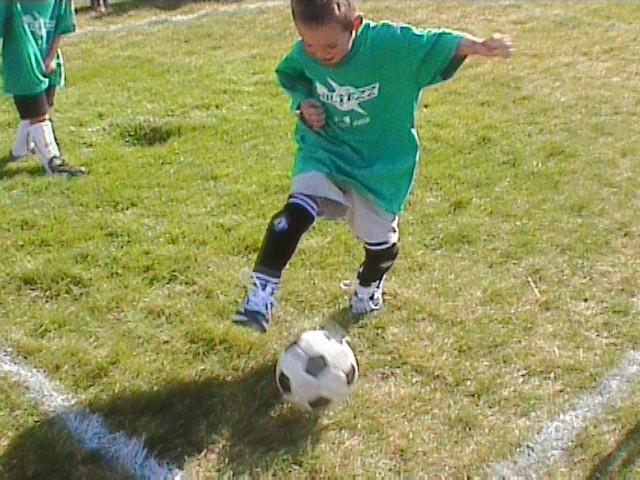
Push for variety over early specialization. Encouraging kids — especially younger ones — to rotate through different sports across the year (say, swimming in summer, soccer in fall, basketball in winter) works different muscle groups and joints, which reduces the overuse injuries that come from repeating the same motion year-round.
During the Season: Daily and Weekly Habits That Prevent Injury
Warm up and stretch every time. A dynamic warm-up (light jogging, leg swings, arm circles) before practice or games primes muscles and joints and should be a non-negotiable habit, not something skipped when running late.
Build up training gradually. A commonly cited rule of thumb is to increase training time, intensity, or distance by no more than about 10% a week — sudden jumps (like a big preseason ‘ramp-up’ week) are a major driver of stress fractures and tendon injuries.
Protect rest days. Athletes should get at least one full day off per week from organized sports, and ideally a longer break of a few weeks to a month or so away from a single sport at some point during the year. If your child plays for more than one team in the same sport at the same time, watch total weekly load closely — that’s one of the biggest overuse-injury risk factors.
Keep hydration proactive, not reactive. Encourage regular water breaks throughout the day and during play rather than waiting until a child says they’re thirsty, especially in hot or humid conditions. Light, breathable clothing and shaded breaks help prevent heat illness.
Coach proper technique, not just effort. Correct form for tackling, landing from a jump, throwing, or pivoting reduces joint strain and lowers concussion risk in contact sports — this is a coaching responsibility as much as a parenting one, so don’t hesitate to ask about it.
Tips / Common Mistakes
Don’t play through pain. ‘No pain, no gain’ doesn’t apply to growing bones and joints — persistent pain, swelling, or a limp that lasts more than a few days after rest needs a medical evaluation, not just an ice pack and hope.
Don’t downplay a possible concussion. Any suspected head injury — even without a loss of consciousness — means immediate removal from play. Watch for headache, dizziness, nausea, confusion, balance problems, or sensitivity to light and noise, and don’t let a child return to any activity without written clearance from a doctor.
Don’t assume ‘more is better.’ Extra private lessons, showcases, and travel-team games stacked on top of regular season play are a common source of burnout and overuse injuries — more total volume isn’t the same as more skill development.
Don’t skip the cool-down. A few minutes of light activity and stretching after intense play helps muscles recover and is often the first thing cut when everyone’s rushing to the car.
Don’t ignore growth-spurt aches. Rapid growth can outpace flexibility, making growing kids more prone to strains — extra stretching and slightly lighter loads during a growth spurt can help.
Explore more: More youth sports safety and parenting guides.
Youth sports injury prevention FAQs
What are the most common youth sports injuries?
Sprains and strains, growth-plate and overuse injuries (like Little League shoulder or jumper’s knee), and concussions are among the most common. Overuse injuries in particular have become more frequent as kids specialize in one sport year-round.
How much rest do young athletes actually need?
A general guideline is at least one day off per week from organized sports, plus a break of a few weeks to about a month from any single sport at some point during the year to let overworked muscles and joints recover.
Is it safe for my child to play multiple sports at once?
Playing different sports across the year is encouraged because it varies the physical demands on the body. The risk comes from playing on multiple teams in the same sport during the same season, which can quietly stack up training load.
When should a sports injury see a doctor instead of just resting?
See a doctor for any suspected concussion, an injury that causes visible swelling or deformity, pain that doesn’t improve after a few days of rest, or any injury that affects a joint’s range of motion or causes limping.
Level Up With SportsSteps
Track your athlete’s progress, connect with coaches and your team, and grow — get the SportsSteps app. Get the SportsSteps App.
Photo: Fabiana / CC BY 2.0, via Wikimedia Commons.