
A losing season tests more than a scoreboard — it tests whether your kid still wants to lace up their cleats or cleats up their sneakers for the next game. When the losses pile up, motivation can quietly drain away, and what started as a fun way to spend fall afternoons starts to feel like a chore nobody wants to do.
The good news is that how a child experiences a losing season has less to do with the win-loss record and much more to do with what happens around it — at practice, in the car ride home, and in the conversations you have (or don’t have) after a tough game. Here’s a practical guide to helping your child stay engaged, confident, and motivated even when the wins aren’t coming.
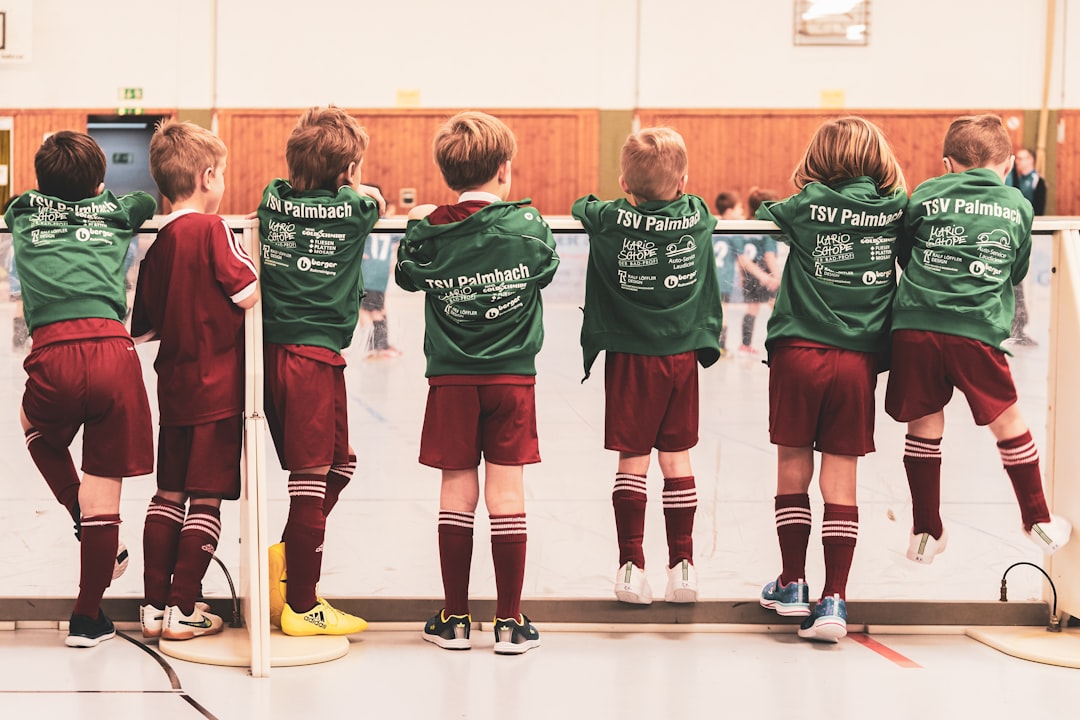
Quick Answer
Keep your child motivated during a losing season by separating their effort and character from the score, praising specific skill improvements instead of results, giving them space before talking about the game, and keeping practices and team time genuinely fun. Motivation holds up best when a child feels the sport is still theirs, not a performance for the adults around them.
Why Losing Streaks Hit Kids Harder Than You’d Expect
Younger athletes especially can struggle to separate ‘we lost’ from ‘I’m bad at this’ or even ‘I’m not worth as much today.’ A string of losses can chip away at a child’s sense of competence, which is one of the core things that makes any activity feel worth doing. Add in comparisons to teammates, a demanding schedule, or pressure from adults who seem more invested in the outcome than the child is, and it’s easy to see why a rough season is a common point where kids start pulling away from a sport they used to love.
It also matters that kids pick up on adult reactions more than adults realize. If a parent’s mood visibly sours after a loss, or the ride home turns into a rehash of every mistake, the child learns that losing has consequences beyond the game itself — and starts to dread showing up rather than looking forward to it.
Practical Ways to Rebuild Motivation Mid-Season
Shift the scoreboard you’re using at home. Instead of asking ‘Did you win?’, ask about specific moments: a good pass, a hustle play, a mistake they recovered from. Praising effort and improvement — not just results — helps a child measure their own progress instead of measuring themselves against the final score.
Give them space before the postgame debrief. Right after a loss, most kids aren’t ready to analyze what went wrong. Let the sting fade first — a snack, quiet time in the car, or just talking about something unrelated — before offering any feedback, and only if they seem open to it.
Keep the same warmth after a loss as after a win. Kids read your reaction closely. If you’re just as glad to see them after a bad game as a good one, they learn that your support (and their own worth) isn’t tied to the scoreboard, which takes a lot of pressure off.
Find something to build on. Every game usually has at least one skill, habit, or moment of improvement worth naming, even in a lopsided loss. Helping your child spot their own growth — ‘you moved off the ball better today’ — gives them something concrete to feel good about and work toward.
Protect team connection. A losing season is easier to stomach with teammates who feel like friends. Encourage carpools, team hangouts outside of games, or simple gestures like a postgame handshake line, so the social side of the sport stays strong even when the results aren’t.
Watch for real burnout, not just a bad week. Occasional frustration after a loss is normal. But if your child consistently dreads practice, complains of unusual fatigue, or seems to have lost pride in playing altogether, that’s worth a bigger conversation about whether the current team, position, or level is still the right fit.
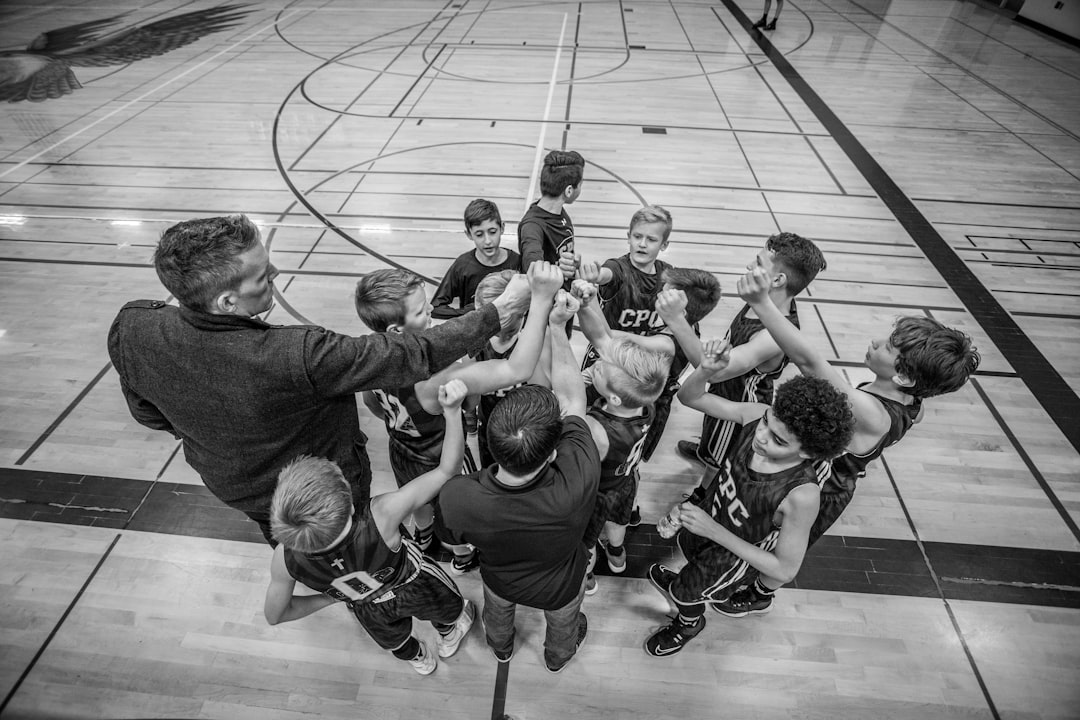
Tips and Common Mistakes to Avoid
Don’t turn the car ride home into a coaching session — kids consistently say they’d rather just hear ‘I love watching you play’ than a breakdown of what went wrong, especially minutes after the final whistle.
Avoid comparing your child to teammates or siblings, even with good intentions. It tends to shift their focus from their own growth to competing for your approval.
Don’t let losses go completely unacknowledged either — pretending nothing happened can feel dismissive. Acknowledge the disappointment is real, then pivot to what’s next.
Resist the urge to blame the coach, refs, or teammates out loud in front of your child. It’s tempting after a frustrating loss, but it teaches kids to look outward for excuses instead of inward for what they can control and improve.
If the whole season has been rough, set a small, achievable in-season goal unrelated to wins — like a personal best in a specific skill — so your child has something they can actually control and succeed at.
Explore more: More parent guides for youth sports.
Keeping kids motivated during a losing season FAQs
How do I talk to my child after a tough loss?
Give them a little space first, then keep it simple and warm — acknowledge it was a hard game, ask if they want to talk about it, and highlight one specific positive before moving on. Save detailed feedback for a calmer moment, if at all.
Should I let my child quit if they’re miserable during a losing season?
Not necessarily right away — a bad stretch is often temporary, and sticking with a team through adversity can build real resilience. But if your child shows ongoing signs of burnout, like dreading practice or losing enjoyment entirely, it’s worth a serious conversation about whether this sport, team, or level is still the right fit.
How can coaches help keep a losing team motivated?
Coaches can shift practice focus toward visible skill gains rather than only game outcomes, keep tone and energy consistent regardless of the score, and build in team-bonding moments — like having players recognize a teammate’s good play — to keep the group connected through a rough stretch.
Is it bad for my child to experience a losing season?
Not inherently. A losing season, handled well by the adults around a child, can teach real lessons in persistence, handling disappointment, and finding motivation that isn’t dependent on winning — skills that carry over well beyond sports.
Level Up With SportsSteps
Track your athlete’s progress, connect with coaches and your team, and grow — get the SportsSteps app. Get the SportsSteps App.
Want youth sports news in your inbox? Subscribe to the free newsletter.
Photo by Bruno Kelzer on Unsplash.