
Taper is the stretch of training before a big meet where a coach dials back the yardage so tired muscles can rebuild and a swimmer shows up on race day feeling fast instead of flat. For young swimmers, taper looks different than it does for a college or Olympic athlete, and doing too much of it can backfire just as easily as doing too little.
This guide walks through how long a youth taper should realistically last, what actually changes in the pool during taper week, and the sleep, nutrition, and race-prep habits that make the biggest difference for kids and teens heading into a championship meet.

Quick Answer
Most youth swimmers taper for 7 to 14 days, with younger or less experienced swimmers (roughly 12 and under) needing only a short taper of a few days to a week, and teens with more training years under them benefiting from a slightly longer 10-to-14-day taper. The core idea at any age is the same: cut total swimming volume while keeping some fast, race-pace work in the mix, and protect sleep.
How Long Should a Youth Swimmer Taper?
Younger swimmers recover much faster than adults, so long tapers tend to leave them feeling sluggish or ‘flat’ instead of sharp. Swimmers around 12 and under generally do best with a very short taper, sometimes just a few reduced-yardage days right before the meet, since their bodies bounce back quickly and don’t carry the same training fatigue as older athletes.
For swimmers in their early-to-mid teens who train year-round on a club team, a 7-to-10-day taper is a common and effective starting point. Older, more experienced teen swimmers, especially sprinters with more muscle mass to freshen up, sometimes taper for the full 10 to 14 days. A good coach will adjust the exact length based on how the swimmer responds in practice, not just their age on paper — if a swimmer starts feeling stale or unmotivated, that’s usually a sign the taper has gone on too long.
What Actually Changes During Taper Week
The biggest shift is volume, not intensity. Coaches typically cut weekly yardage noticeably below the normal training load, sometimes by a large margin, while keeping short bursts of race-pace or sprint work in the set. The goal is to let the body recover from weeks of accumulated fatigue without losing the neuromuscular ‘feel’ for going fast.
Expect fewer total repeats, longer rest between hard efforts, and more attention to technique and start/turn work rather than grinding out distance. Reducing training load gradually over the taper period, rather than all at once, tends to produce better racing results than an abrupt drop-off, so don’t be surprised if the first few days of taper still feel fairly demanding before things ease up closer to the meet.
Taper week is also the time to dial in race-day logistics: swim a few reps in the actual competition suit, cap, and goggles if they’re new, practice race starts and turns, and confirm event lineups and warm-up times so nothing feels unfamiliar on the day of the meet.
Sleep, Nutrition, and Race-Day Prep
Sleep is arguably the single most controllable factor in a taper. Aim for extra sleep each night during taper week compared to a normal training week — going to bed even 30 to 60 minutes earlier can make a real difference in how a swimmer feels and reacts on race day, since reduced training volume only pays off if the body actually gets to recover.
Nutrition during taper should stay boring on purpose. Stick with familiar, balanced meals — carbs, lean protein, fruits and vegetables — rather than trying new foods or big dietary changes right before a meet. The goal is steady glycogen replenishment, not experimentation. A light snack combining carbs and protein after each taper practice supports recovery without needing anything fancy.
In the last day or two before racing, keep warm-ups short and easy, lay out gear the night before, and plan travel time with a buffer so the morning of the meet feels calm rather than rushed.
Tips and Common Mistakes
The most common mistake with youth tapers is simply doing too much for too long — a taper stretched out over three or four weeks for a 10-year-old usually causes more staleness than benefit. Keep it proportional to the swimmer’s age and training history.
Another frequent error is cutting out hard swimming entirely. A taper isn’t a vacation; short, fast, well-rested efforts keep the body sharp, while total inactivity can make a swimmer feel sluggish instead of fresh.
Watch for signs the taper is working: swimmers often report feeling noticeably ‘bouncy’ or light in the water a few days before the meet. If a swimmer instead feels heavy, tired, or unmotivated right before competition, flag it to the coach — the plan may need a small adjustment.
Finally, don’t let taper week become the time to try a new suit, new goggles, or a new pre-race routine for the first time at the meet itself. Test anything new during a taper practice first.
Explore more: more swimming training guides.
Swim taper for youth swimmers FAQs
How long should a 10-year-old swimmer taper before a meet?
Very short, usually just a few days of lighter, easier swimming rather than a full 1-2 week taper. Young swimmers recover quickly and can end up flat if the taper is stretched out too long.
Do youth swimmers still need to train hard during taper?
Yes, but less. Taper reduces total swimming volume, not the presence of fast, race-pace effort — short, quality sprints with more rest between them keep the body sharp for racing.
What’s the biggest factor in a successful taper besides pool workouts?
Sleep. Getting extra rest each night during taper week supports the recovery that reduced training volume is meant to create, and it’s one of the easiest things a swimmer and family can control.
Level Up With SportsSteps
Track your athlete’s progress, connect with coaches and your team, and grow — get the SportsSteps app. Get the SportsSteps App.
Want training tips and sports news in your inbox? Subscribe to the free newsletter.
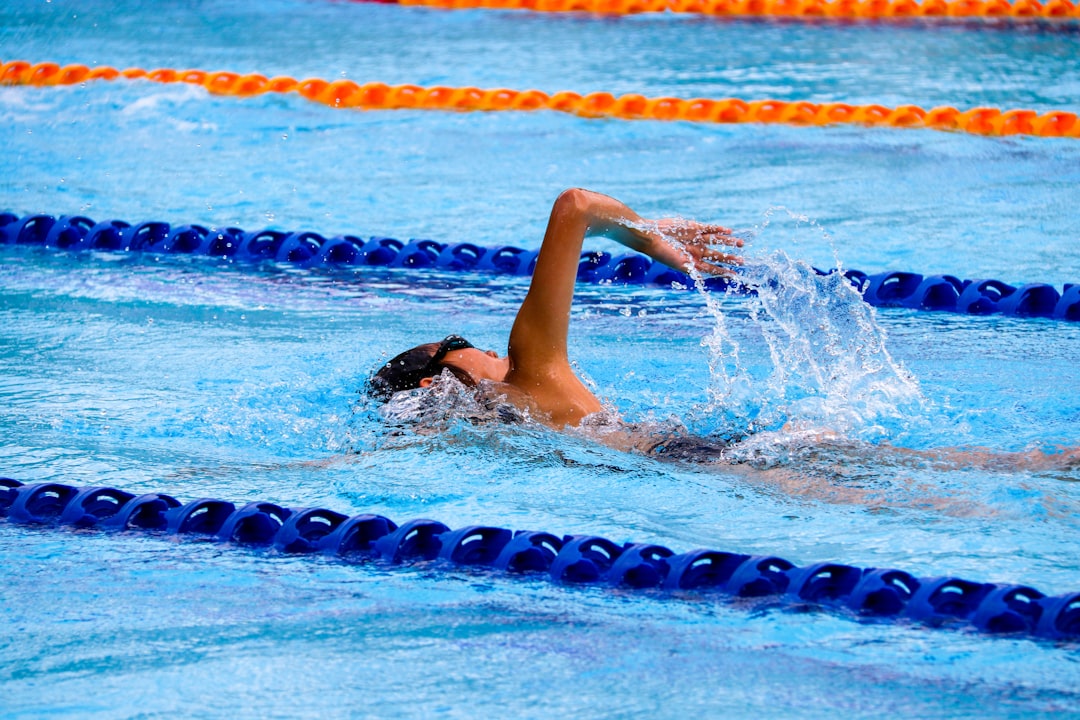
Photo by Serena Repice Lentini on Unsplash.