
The car ride home after your child gets benched is one of the hardest moments in youth sports parenting. You want to fix it, defend them, or say something that makes the sting go away — but the wrong words in that moment can do more damage than the bench itself.
This guide walks through what to say, what to avoid, and when (or if) it’s appropriate to get involved, so you can turn a rough game into a moment that actually builds your child’s resilience.

Quick Answer
Let your child bring up the game first, listen without judging or problem-solving, and separate the coach’s decision from your child’s worth as a player. Focus the conversation on what they can control going forward, and hold off on contacting the coach unless there’s a real fairness or safety concern.
Start With Timing, Not Talking
Right after a game, most kids are still processing emotion, not logic — they may not want to relive the moment on the drive home. A simple ‘I love watching you play’ or ‘want to talk about it, or grab food first?’ gives them the choice instead of forcing a debrief they’re not ready for.
If they don’t want to talk right away, let it go for now. Revisit it later that evening or the next day, when they’ve had time to cool off and you’re less likely to react from your own frustration instead of theirs.
When they do open up, resist the urge to narrate the game back to them (‘you should have hustled more on that play’). Ask open questions instead — ‘how did that feel?’ or ‘what was going through your head on the bench?’ — and let them lead.
What to Say (and What Not to Say)
The most useful reframe: being benched is a coaching decision, not a verdict on your child’s value. Something like, ‘Being benched doesn’t mean you’re not good — it means the coach made a call today. What’s one thing you feel like you can work on before the next game?’ keeps the focus on effort and growth rather than blame.
Avoid criticizing the coach in front of your child, even if you privately disagree with the decision — it teaches them to blame others instead of building a growth mindset, and it puts them in an awkward spot with their team.
Also avoid promising to fix it yourself (‘I’ll call the coach and get this sorted’). That can feel supportive in the moment, but it teaches your child that playing time is something you control rather than something they earn — and it sets up a promise you may not be able to keep.
Help them name specific, controllable next steps: extra reps on a weak skill, more focused practices, being a vocal presence from the bench. Concrete action beats vague reassurance like ‘you’ll get your chance.’
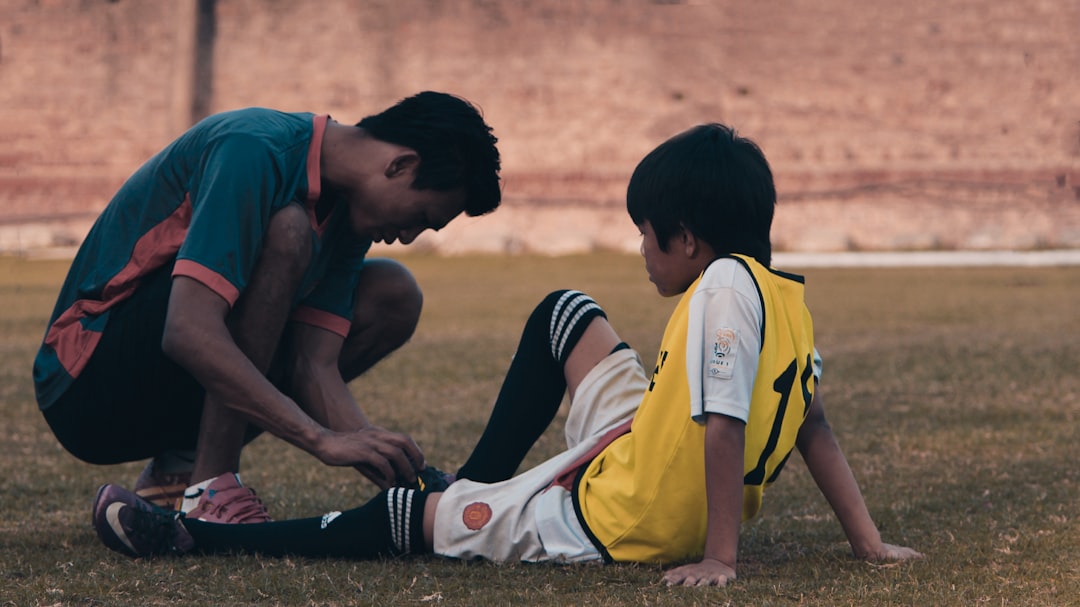
Should You Talk to the Coach?
In most cases, the first conversation with the coach should be your child’s, not yours — coaches generally respond better to a player asking ‘what can I do to earn more time?’ than to a parent advocating on their behalf, and it builds a skill your child will need for the rest of their life.
If you do decide to reach out, give it at least a day so emotions settle, and frame it as a request for information rather than a complaint: ‘I want to support what the coach is working on — is there anything specific my child should focus on?’ That tone gets a far better response than questioning the coach’s decisions.
The exception is when the issue isn’t really about playing time at all — a safety concern, unequal treatment tied to something other than performance, or a coach behaving inappropriately. Those situations warrant a direct, prompt conversation with the coach or program.
Tips and Common Mistakes
Watch your own face and body language during the game — kids scan the sideline constantly, and visible frustration from you adds pressure on top of what they’re already feeling.
Don’t compare your child to a sibling or teammate who’s playing more; it shifts the focus from their own growth to competition with people they’re supposed to be teammates with.
Praise effort and attitude, not just outcomes — a kid who stayed engaged and encouraged teammates from the bench did something worth noticing, even if the box score doesn’t show it.
If the disappointment lingers for days or starts affecting how they feel about the sport overall, it’s worth a longer conversation about whether this is a bad stretch or a sign they need a different role, team, or activity.
Explore more: More parent guides for youth sports.
Talking to your child about being benched FAQs
Should I talk to my child right after the game or wait?
Let them choose. Offer the option to talk or decompress first, and if they’re not ready, revisit the conversation later that day or the next — they’ll process it more clearly once the immediate emotion has passed.
Is it ever okay to talk to the coach about playing time?
It’s best if your child raises it with the coach first. If you do get involved, wait until emotions have cooled and frame it as asking how your child can improve, not challenging the coach’s decision — unless the issue involves safety or fairness unrelated to performance.
How do I know if my child needs more than a supportive conversation?
If disappointment about playing time turns into ongoing anxiety, loss of interest in the sport, or withdrawal, treat it as more than a one-off bad game and consider talking with the coach, a school counselor, or a youth sports psychologist.
Level Up With SportsSteps
Track your athlete’s progress, connect with coaches and your team, and grow — get the SportsSteps app. Get the SportsSteps App.
Want youth sports news in your inbox? Subscribe to the free newsletter.
Photo by Konstantin Mishchenko on Unsplash.