
How to handle losing as a young athlete is the most overlooked mental skill in youth sports. Every young athlete will lose far more games than they win — even the eventual professionals lose constantly during their development. The kids who handle losing well develop resilience, perspective, and lifelong love of competition. The kids who don’t either burn out or carry the emotional damage into adulthood. The mental skills below help young athletes process losses constructively and come back stronger.
Why Losing Is Actually a Skill
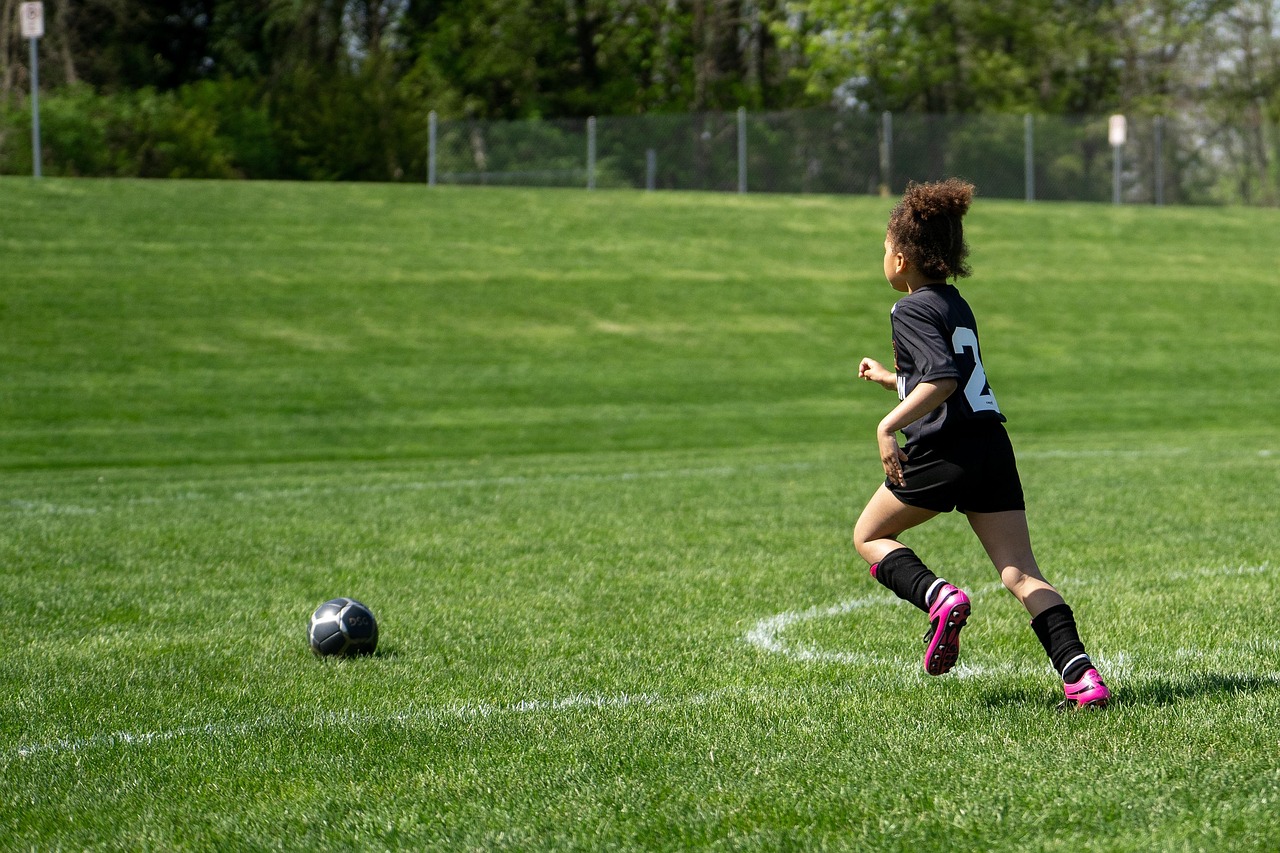
Losing is a skill because how you respond to losing determines whether you improve or stagnate. How to handle losing as a young athlete is the difference between a player who watches game film and asks coaches what to work on, versus one who blames teammates, refs, or bad luck.
The young athletes who handle losses constructively share a few habits: they take a few minutes to feel disappointed, then they move toward analysis and improvement. They don’t dwell, don’t blame, and don’t quit. According to research summarized by the American Psychological Association, resilience after setbacks is one of the strongest predictors of long-term success in athletics and beyond.
Parents and coaches model this skill more than any words can teach it. Kids watch how adults react to losses and mimic those patterns.
The 24-Hour Rule
A great rule for young athletes: 24 hours of feeling, then move on. The first day after a tough loss, it’s okay to be sad, frustrated, or angry. After that, it’s time to start asking productive questions.
This rule prevents two extremes: pretending the loss didn’t matter (which suppresses healthy emotions) and dwelling endlessly (which damages confidence and motivation). The middle path — feel it, then move forward — builds resilience that lasts a career.
For more on building the emotional foundation that supports good loss processing, see our building confidence in young athletes guide.
Productive Questions vs. Destructive Questions
After the 24 hours of feeling, young athletes should shift to productive questions. “What did I do well in that game?” “What’s one thing I can work on this week?” “What did the other team do that worked?”
Destructive questions sound like: “Why am I so bad?” “Why does the coach hate me?” “Why do we always lose?” These questions don’t lead anywhere useful — they just amplify negative feelings.
Parents and coaches can model productive questioning by asking these same questions to the athlete, not at them. “What’s one thing you want to work on this week?” beats “Why didn’t you play harder?” every time.
The CDC’s youth mental health resources emphasize that constructive self-talk is one of the most important mental health tools young people can develop, and youth sports are an ideal environment to build it.
Separating Identity from Performance
The most damaging belief young athletes can hold is that their identity equals their performance. “I’m a bad person because I lost” is the kind of thinking that destroys mental health and creates burnout.
Help kids understand they are not their stats, not their wins, and not their losses. They are people who play sports — and who happen to lose sometimes, like every other human who has ever competed.
This separation is hard for high-achieving kids especially. Coaches and parents can help by celebrating effort, attitude, and improvement separately from outcomes. “I love how hard you played” matters more than “great game” after a loss. Pair this with our advice on supporting young athletes without pressure.
Building a Post-Loss Routine
Just as great athletes have pre-game routines, they have post-game routines too. A simple post-loss routine for young athletes: 1) shake hands with opponents and teammates, 2) thank coaches and parents, 3) get something to eat and hydrate, 4) talk briefly about one thing that went well and one thing to work on, 5) move on to the rest of the day.
This routine creates structure during the hardest emotional moments. It prevents spirals into self-criticism and gives the athlete concrete actions to take instead of sitting with painful feelings indefinitely.
Pair this with our advice on pre-game mental routines for young athletes for a complete mental skills toolkit. The athletes who develop these habits early carry them into high school, college, and adult life — where the lessons of handling losses become some of the most valuable skills sports teach.
Frequently Asked Questions
How can I help my child stop crying after losses?
Don’t try to stop the tears — they’re a healthy emotional release. Instead, teach the 24-hour rule. Feel it, then move forward.
Is it okay to be a “sore loser” sometimes?
Brief disappointment is healthy. Sustained anger, blame, or refusal to congratulate opponents crosses the line. Coach the difference.
How do I respond when my child says “I quit” after a tough loss?
Acknowledge the feeling, but don’t agree to the decision. Wait at least a week before making any decision about quitting a sport.
Should young athletes get participation trophies?
This is debated. The healthier middle ground: celebrate effort and improvement, not just outcomes. Trophies matter less than how losses are processed.
How can I tell if my child is processing losses in a healthy way?
Healthy: brief disappointment, then constructive conversation. Unhealthy: sustained anger, blame, depression, or loss of interest in the sport.