
Telling your kid to “just try harder” or “make varsity this year” rarely works — and it can backfire, turning practice into a source of anxiety instead of joy. The goals that actually motivate young athletes look different from the ones adults default to: they’re smaller, more frequent, and almost entirely within the athlete’s own control.
This guide walks through the difference between goal types that build lasting motivation and those that quietly kill it, plus a simple process you can use this week to help your athlete set goals they’ll actually want to chase.
Quick Answer
Help your young athlete set goals by focusing on effort and process (what they do — like practice habits or in-game actions) rather than outcomes (like winning or making a team). Collaborate with them so the goals feel like theirs, keep the list short (one to two goals at a time), make each one specific and measurable, and review progress often — weekly or after each practice — rather than waiting for the end of the season.
Why Outcome Goals Backfire (and What to Use Instead)
Sports psychologists generally sort goals into three buckets: outcome goals (winning, making the team, beating a rival), performance goals (improving on your own past results, like a faster mile time), and process goals (the specific actions that produce those results, like keeping your eyes up while dribbling or hustling back on defense after a turnover).
The problem with outcome goals is that they depend on things a kid can’t fully control — the other team’s performance, a coach’s roster decisions, a bad-luck bounce. When the goal is just “win the tournament” and the team loses anyway, even a great individual performance can feel like failure. That disconnect is demoralizing, especially for younger or less experienced athletes.
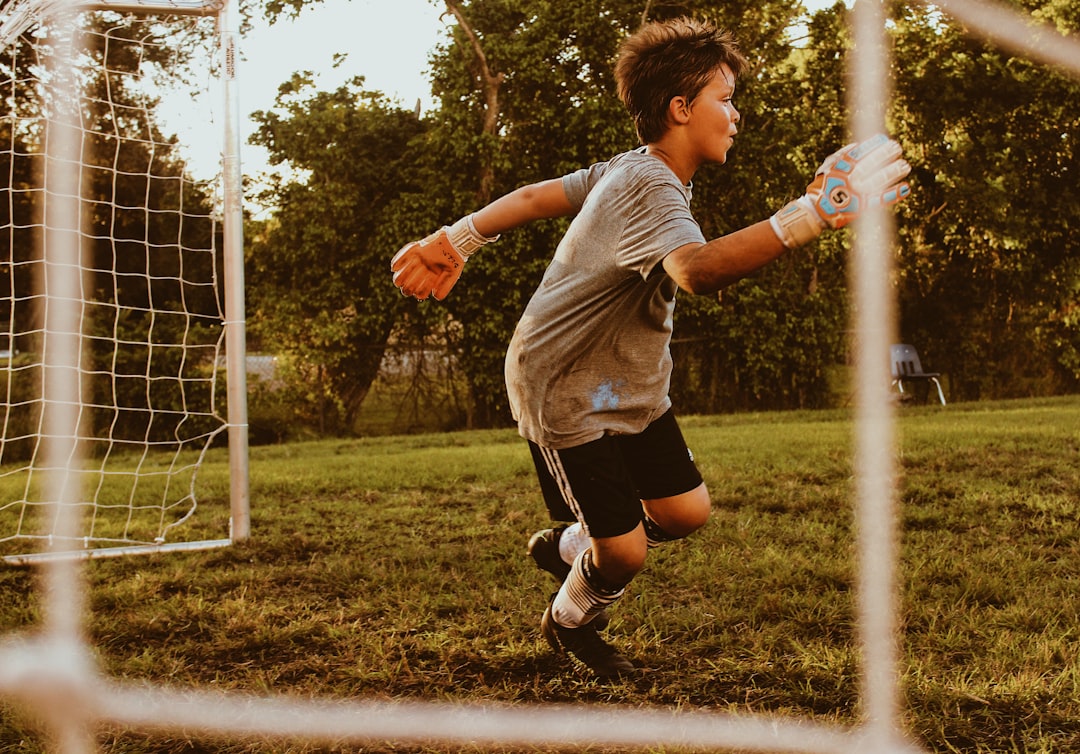
Process and effort-based goals flip that around. A soccer player can’t guarantee her team concedes fewer goals, but she can control whether she sprints back on defense every time possession is lost. A swimmer can’t control the field at a meet, but he can control his stroke count and turn technique. Because these goals are achievable through effort alone, kids can feel genuine success even in a loss — which is exactly what keeps them coming back to practice.
A useful rule of thumb from sports psychology: have more process goals than performance goals, and more performance goals than outcome goals. It’s fine to have one big outcome goal in the background for motivation (“make the travel team,” “qualify for regionals”) — just don’t let it be the only thing you and your athlete talk about day to day.
A Simple 4-Step Process to Set Goals Together
Step 1 — Ask, don’t assign. Sit down with your athlete and ask what they want to get better at, rather than handing them a goal. Research on athlete motivation consistently shows that goals feel more motivating when the athlete has ownership in setting them, not when they’re imposed from the outside.
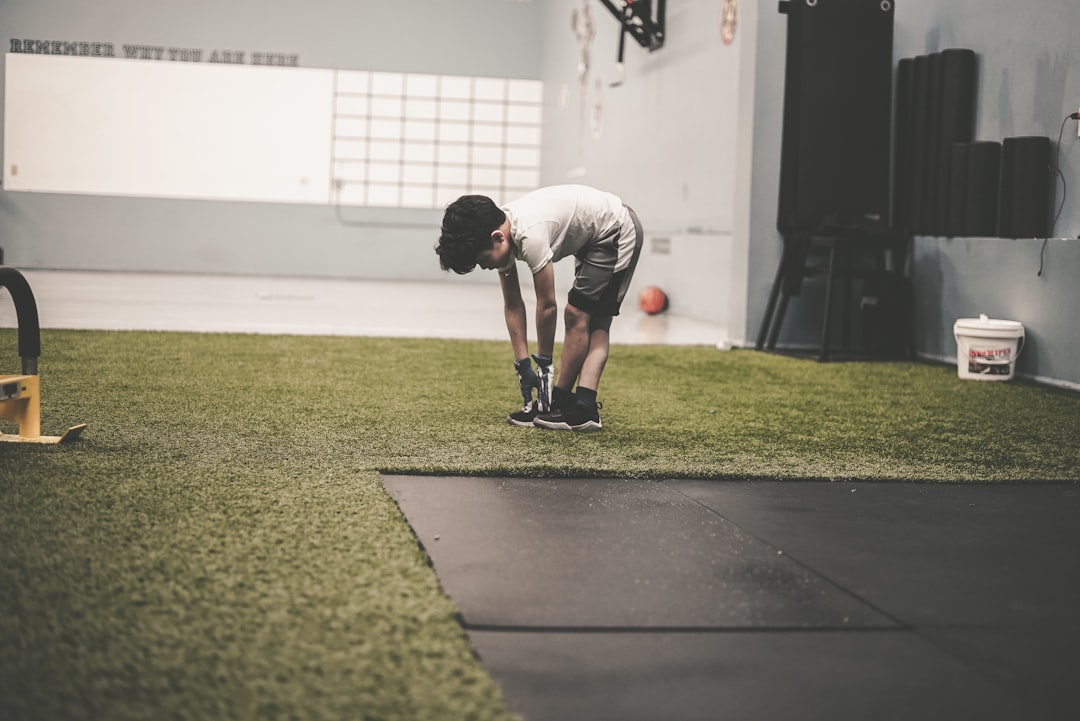
Step 2 — Separate practice goals from competition goals. Kids often only think about game day, but most of their growth happens in practice. Set one goal for training (“complete every rep of the agility ladder without a mistake”) and a separate one for competition (“call for the ball every time I’m open”). This helps them see practice as valuable in its own right, not just prep for the “real” thing.
Step 3 — Make it specific and measurable. Vague goals like “play better defense” are hard to act on and impossible to know if you’ve hit. Turn it into something countable: “get into defensive position within three seconds of losing the ball” or “box out on every rebound attempt.” Specific, controllable targets are easier for a kid to visualize and easier for you to notice and praise.
Step 4 — Check in often, not just at season’s end. A goal that only gets reviewed in November feels abstract in September. Build in short check-ins — after a practice, at halftime, or during the car ride home — where you ask how it went and what they noticed, rather than delivering a verdict yourself.
Tips and Common Mistakes
Keep the list short. One or two active goals at a time is plenty; a long list dilutes focus and turns goal-setting into a chore.
Praise the effort, not just the result. When feedback consistently highlights hustle, resilience, and improvement rather than the scoreboard, kids stay motivated even through a rough patch.
Watch your own language. If you ask “did you win?” before “how did it go?”, you’re signaling what actually matters to you — even if you don’t mean to.
Match goals to age and stage. Younger or newer athletes benefit from very concrete, short-term process goals (this practice, this week); older or more experienced athletes can start layering in performance and outcome goals alongside them.
Avoid comparison goals. “Be better than your teammate” points a kid’s attention at something they can’t control and often damages team chemistry. Keep the comparison against their own past performance instead.
Let goals evolve. If a goal turns out to be too easy, too hard, or just not motivating anymore, revisit it together rather than forcing your athlete to stick with something that isn’t working.
Explore more: More parent guides for youth sports.
Youth athlete goal setting FAQs
What age should kids start setting their own sports goals?
Many youth sports psychologists suggest introducing basic goal-setting around ages 9 to 13, when kids can start to understand cause and effect between effort and results. Younger kids can still participate with very simple, concrete goals (like “try my hardest at every drill”), just with more parent guidance.
Should my child set goals about winning or making a team?
It’s fine to have one big outcome goal in the background for inspiration, but it shouldn’t be the main goal you track day to day. Focus most of your conversations on process and effort goals your child can actually control, and let the outcome goal serve as long-term motivation rather than a measure of success.
How often should we review my athlete’s goals?
Frequently — weekly check-ins or quick conversations after practices and games work better than waiting until the end of the season. Regular, low-pressure check-ins help kids see progress in real time and adjust goals that aren’t working.
What’s the difference between a process goal and a performance goal?
A process goal is about the specific actions an athlete takes, like keeping their head up while dribbling. A performance goal is about improving on their own past results, like lowering a personal-best race time. Both are more motivating than outcome goals because they’re largely within the athlete’s control.
Level Up With SportsSteps
Track your athlete’s progress, connect with coaches and your team, and grow — get the SportsSteps app. Get the SportsSteps App.
Photo by Baylee Gramling on Unsplash.