
A sidelined kid is hard to watch. One minute they’re sprinting down the field, the next they’re icing an ankle on the couch, worried they’ll lose their spot on the team. As a parent, your job during this stretch isn’t just about physical healing — it’s about keeping your child’s confidence and love of the game intact too.
This guide walks through what actually helps in the days after an injury, how to support your child emotionally (not just physically), and how to know when they’re really ready to return to play — not just physically cleared, but ready.

Quick Answer
Get the injury properly evaluated first, follow your provider’s specific plan rather than generic advice, and treat the emotional side of recovery as seriously as the physical side. A safe return to play is gradual and based on your child feeling confident and pain-free at each step, not on a calendar date.
The First Few Days: Getting the Physical Basics Right
For sprains, strains, and other soft-tissue injuries, sports medicine guidance has shifted away from the old ‘RICE’ advice (rest, ice, compression, elevation) toward a newer framework often summarized as PEACE & LOVE. In the first one to three days, the focus is on protecting the injured area, avoiding unnecessary anti-inflammatory medication or heavy icing that can blunt the body’s own healing response, using compression, elevating the limb, and getting clear education from a provider about what to expect. After that acute window, recovery shifts toward controlled loading, staying optimistic, supporting blood flow through gentle movement, and reintroducing exercise gradually.
The most important step, though, is simple: get an actual evaluation from a doctor, athletic trainer, or physical therapist rather than guessing at severity yourself. Kids’ growth plates and developing bodies don’t always follow adult injury patterns, and a ‘minor’ limp can sometimes be something more. Ask specifically what the recovery timeline looks like for your child’s exact injury, since it varies a lot from case to case — there’s no one-size-fits-all schedule.
Supporting the Emotional Side of Recovery
Sports medicine and youth sports psychology experts consistently flag the same thing: young athletes are often conditioned to hide how they’re really feeling, and the emotional toll of an injury can be just as real as the physical one. Fear of re-injury, guilt about letting teammates down, frustration at missing games, and even identity loss (‘who am I if I’m not the starting goalie?’) are all common and normal reactions.
You don’t need to be a therapist to help — you mainly need to make space for the conversation. Ask directly how they’re coping emotionally, not just how the injury feels physically. Normalize the frustration and sadness instead of pushing your child to ‘stay positive’ or be tough about it. Watch for signs that a child is really struggling — persistent low mood, withdrawal from friends or family, anxiety about returning, or changes in eating or sleep — and loop in a pediatrician or mental health professional if those signs show up. Physical therapists who see your child multiple times a week can also be a steady, low-pressure source of support during this stretch.
Returning to Play: Go Gradual, Not Fast
Whatever the injury, resist the urge to rush back to full-speed play once pain has faded. For concussions specifically, medical guidance follows a well-established gradual, step-by-step return: starting with light activity that doesn’t provoke symptoms, then light aerobic exercise, then sport-specific drills done alone, then non-contact team drills, and finally full-contact practice — typically advancing a step at a time only if symptoms stay away, with a doctor’s sign-off before full return. Most other injuries don’t have as rigid a public protocol, but the same underlying principle applies: progress in stages, and only move to the next stage once your child can perform the previous one without pain, swelling, or hesitation.
Confidence matters here as much as physical readiness. A child who’s cleared medically but still flinching or favoring the injury is at higher risk of re-injury or of playing tentatively in a way that actually increases risk. Simple tools — talking through what to expect before the first practice back, low-stakes drills before full competition, and open conversation about any lingering fear — help close that gap between ‘medically cleared’ and ‘actually ready.’
Tips and Common Mistakes
Don’t let your child (or yourself) compare their recovery timeline to a teammate’s — healing speed varies a lot person to person, and pushing to match someone else’s pace is a common way re-injuries happen. Avoid letting ‘no pain’ become the only bar for returning; ask about strength, range of motion, and confidence too. Keep your child connected to the team during recovery, even from the sideline — sitting home alone often makes the emotional side harder. And be cautious with home remedies or advice from well-meaning coaches that contradicts what your child’s actual medical provider recommended; injury guidance has changed a lot in recent years, so what worked for you as a kid athlete may be outdated now.
Explore more: More parent guides for youth sports.
Child sports injury recovery FAQs
How long should a child rest after a sports injury?
It depends entirely on the specific injury and its severity — a mild sprain might mean days, while a fracture or concussion can mean weeks. Follow the timeline your child’s doctor or athletic trainer gives you rather than a generic rule of thumb.
Is icing still recommended for sports injuries?
Newer sports medicine guidance suggests heavy icing in the first few days may actually slow healing by blunting the body’s natural inflammatory response, though it can still help manage pain short-term. Ask your child’s provider what they recommend for the specific injury.
What are signs my child isn’t emotionally ready to return to sport, even if medically cleared?
Watch for reluctance or anxiety about practice, favoring or protecting the injured area during play, avoidance of team activities, or a noticeable drop in confidence or enjoyment. These are worth talking through with your child, and sometimes a sports psychologist or counselor, before pushing a full return.
Level Up With SportsSteps
Track your athlete’s progress, connect with coaches and your team, and grow — get the SportsSteps app. Get the SportsSteps App.
Want youth sports news in your inbox? Subscribe to the free newsletter.
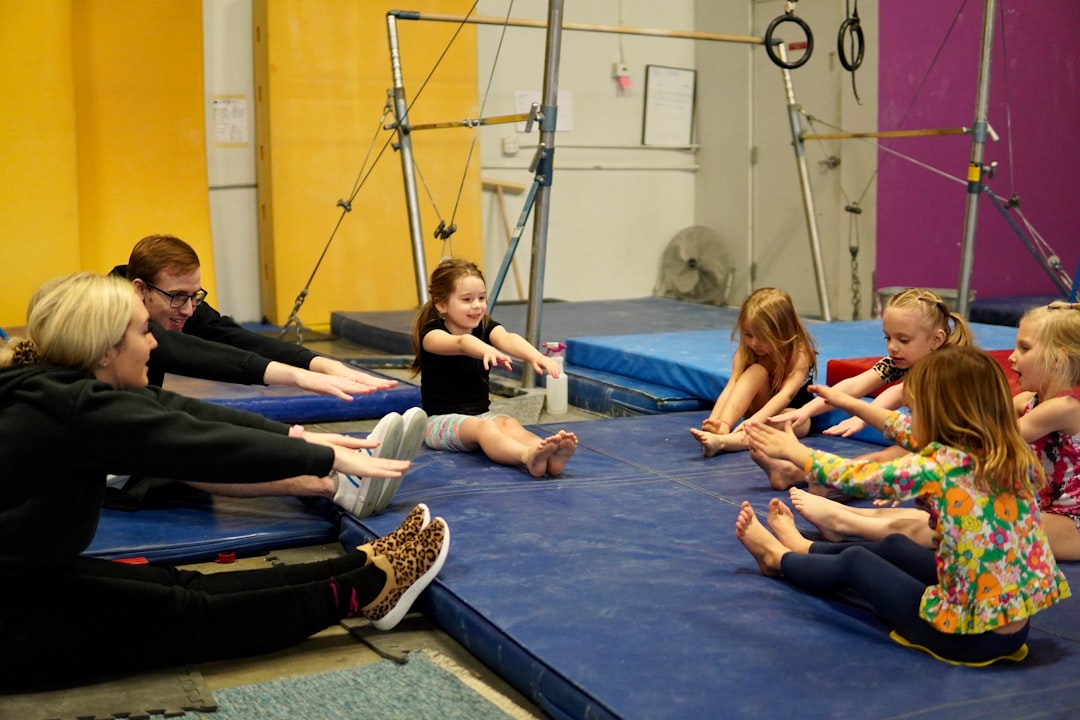
Photo by Edward Muntinga on Unsplash.