
The day has finally arrived — your child is signed up, excited (or maybe nervous), and about to walk into their very first sports practice. Whether it’s soccer at age five or baseball at age eight, that first session can feel like a big deal for parent and kid alike. The good news: knowing what to expect takes most of the anxiety out of it.
This guide walks you through what typically happens at a first practice, how to prepare your child, what to bring, and how to handle the moments that catch new sports parents off guard — like a coach running drills while your kid wanders off to examine a bug on the field.
Quick Answer
At a first sports practice, expect introductions, simple skill-building drills, and plenty of encouragement — not intense competition. For younger children (roughly ages 3–6), practices are short, play-based, and loosely structured. For older kids (ages 7 and up), sessions get a bit longer and more organized, with coaches introducing the fundamentals of the sport. The main goal at this stage is fun and familiarity, not performance.
What Actually Happens at a First Practice
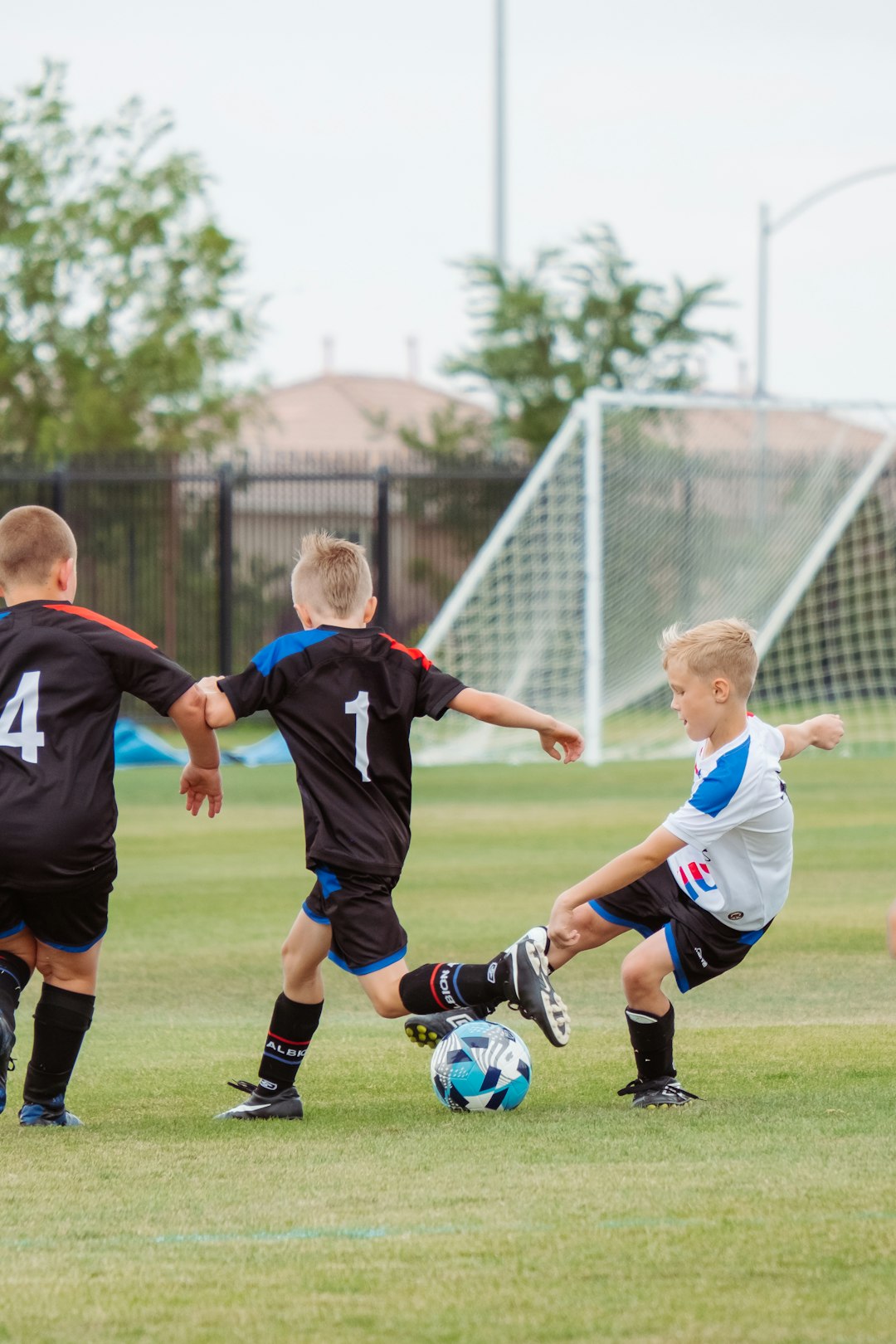
Most first practices follow a simple arc: meet the coach and teammates, warm up with light movement, run through a few basic drills, play a modified version of the sport or a related game, and wrap up. Don’t expect polished plays or a clear understanding of the rules — coaches know it’s day one.
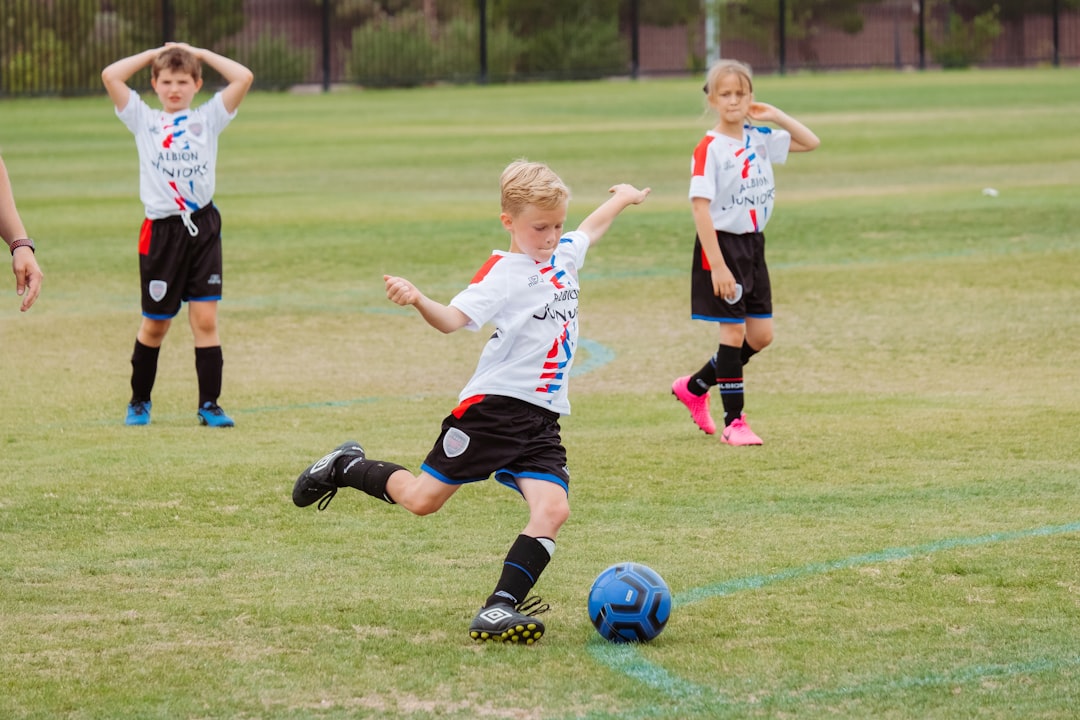
For very young children (around ages 3–5), sessions typically run 30 to 45 minutes and focus on large motor skills like running, jumping, and kicking. The format feels more like guided play than structured practice, and that’s completely intentional. Kids this age have short attention spans, and quality youth programs build practices around that reality.
For children in the 6–9 range, practices often run 45 to 60 minutes and start to introduce real skill repetition — throwing and catching mechanics in baseball, dribbling patterns in basketball, passing technique in soccer. Expect the same basic drills to recur week to week as kids build familiarity and confidence before coaches layer in more complexity.
Your child may feel shy, get distracted, struggle to follow instructions, or just look slightly bewildered. All of this is normal and age-appropriate. A good coach has seen it hundreds of times and won’t be fazed by it.
How to Prepare Your Child (and Yourself)
Talk to your child beforehand, but keep it light. Let them know they’ll meet a coach, make some new friends, and try out some fun activities. Avoid loading them up with expectations about performance — a simple ‘the goal is to have fun and listen to the coach’ is the right frame for a first practice.
Make sure gear fits properly before you arrive. Ill-fitting shoes and equipment are a common source of blisters and minor injuries that could have been avoided. If the sport requires protective gear — shin guards for soccer, a helmet for baseball or softball — do a fitting at home so your child is comfortable wearing it, not discovering how it feels for the first time on the field.
Pack a water bottle. This sounds obvious, but it’s the most commonly forgotten item. Hydration matters even for a short session, especially in warm weather. If the program permits snacks, something light and easy works well for post-practice recovery.
Dress your child in weather-appropriate athletic clothing they can move freely in. Avoid anything too bulky or restrictive. Layering is smart for outdoor practices where temperatures can shift.
Consider arriving five to ten minutes early. It gives your child a chance to take in the environment before things get busy, and lets you connect briefly with the coach so you’re not meeting them for the first time in a crowd.
Your Role on the Sideline
One of the most helpful things you can do during practice is step back. Your child needs space to listen to the coach, and it’s harder for them to do that if they’re frequently glancing at you for approval or instructions. Be present and supportive, but let the coach coach.
Resist calling out tips or corrections from the sideline. Even well-meaning guidance from a parent competes with what the coach is saying and can leave a child feeling caught in the middle. Cheer effort, not just results — a ‘great try!’ goes a long way.
If the program offers a pre-season parent meeting, attend it. It’s a chance to understand the coach’s goals and philosophy before expectations on either side get set in stone. If no meeting is offered, a brief, friendly conversation with the coach before or after the first practice helps open the door to a productive relationship throughout the season.
After Practice: What to Say (and What to Skip)
The conversation on the drive home matters more than most parents realize. A common instinct is to offer feedback or point out moments where the child struggled. Try replacing that with open-ended questions instead: ‘What was your favorite part?’ or ‘Did anything feel tricky?’ invite your child to process the experience in their own words rather than through your evaluation.
Unconditional support — letting your child know you’re proud of them simply for trying — is more motivating than praise tied to performance. Children who feel safe to learn and make mistakes are more likely to stay engaged with sports over time.
If your child comes off the field saying they didn’t like it, don’t panic. First practices can be overwhelming or just not what a child imagined. Give it a few sessions before drawing any conclusions, and keep the focus on connection and encouragement rather than pressure to excel.
Tips and Common Mistakes to Avoid
Don’t compare your child to other kids on the team — not out loud, and ideally not even internally. Development timelines vary enormously at young ages, and early impressions of athletic ability are a very poor predictor of long-term potential or enjoyment. Keep the focus on your child’s individual experience.
Don’t skip the gear check. Showing up without required equipment on the first day creates unnecessary stress for your child. Review the league’s equipment list a few days before practice, not the morning of.
Do talk to your child about body safety before the first practice — letting them know they have the right to speak up if anything feels uncomfortable with a coach or teammate. The U.S. Center for SafeSport recommends parents make this a normal, low-pressure conversation rather than a scary warning.
Finally, remember that first practices are rarely polished. Low expectations for perfect execution, and high expectations for fun and engagement, is exactly the right mindset going in.
Explore more: More Youth Sports Tips and Guides.
Child’s First Sports Practice FAQs
How long is a typical first youth sports practice?
It depends on age. For children around ages 3–5, expect sessions of roughly 30 to 45 minutes. For kids ages 6–9, practices typically run 45 to 60 minutes. Older children in organized leagues may have longer sessions. Check with your specific program, as times vary by sport and organization.
What should I bring to my child’s first sports practice?
At minimum: a filled water bottle, properly fitting athletic shoes, and any required sport-specific protective gear (shin guards, helmet, gloves, etc.). Dress your child in comfortable, weather-appropriate clothing. Bring a light snack for after practice if the program allows it.
What if my child cries or refuses to participate at the first practice?
This is more common than you might think, especially for younger children or those who are naturally shy. Stay calm and encouraging. You can sit with them on the sideline for part of the session if the coach allows it. Most kids warm up within a few practices once the environment feels familiar. If reluctance continues for several weeks, a gentle conversation with the coach can help identify what’s going on.
Level Up With SportsSteps
Track your athlete’s progress, connect with coaches and your team, and grow — get the SportsSteps app. Get the SportsSteps App.
Photo by Quilia on Unsplash.