If you play a sport and want to get stronger, faster, and more resilient, you don’t need a gym membership or a rack of weights. Your own bodyweight is a legitimate training tool — one that major sports medicine organizations have endorsed for young athletes at every level.
This guide lays out a practical bodyweight workout plan designed specifically for teen athletes: the exercises to prioritize, how to structure your week, how to progress when things get easy, and the mistakes that hold most beginners back. Whether you’re training in your backyard, a school hallway, or your bedroom, this plan works.
Quick Answer
Teen athletes can build real, sport-transferable strength with bodyweight training alone. A 3-day-per-week plan built around squats, push-ups, lunges, planks, and pulling movements — done with good form and progressive difficulty — delivers meaningful strength and injury-resistance gains without any equipment.
The Core Workout: Exercises, Sets, and Structure
Start every session with a 5–10 minute warm-up: light jogging in place, leg swings, arm circles, and a few slow bodyweight squats to get blood flowing and joints mobile. The National Strength and Conditioning Association (NSCA) recommends 2–3 sessions per week on nonconsecutive days — for example, Monday, Wednesday, and Friday — giving your muscles time to recover and adapt between sessions.
The workout itself should cover three movement patterns: push (push-ups and their variations), squat and hinge (squats, lunges, glute bridges), and core (planks, V-ups, hollow-body holds). For beginners, start with 1–2 sets of 8–12 reps per exercise. As you build strength over several weeks, progress to 2–3 sets. A complete session typically runs 25–40 minutes.
A complete starter session looks like this: Push-Ups (1–2 sets of 10–15 reps), Bodyweight Squats (1–2 sets of 15–20 reps), Reverse Lunges (1–2 sets of 10 reps each leg), Plank Hold (2 sets of 20–30 seconds), Glute Bridges (2 sets of 15 reps), and Chin-Ups or Inverted Rows using a low bar or sturdy table (1–2 sets of as many clean reps as possible). Rest 30–60 seconds between sets. Finish with a 5–10 minute cooldown of easy movement and stretching.
Once you can complete all sets cleanly, make the exercises harder without adding weight. Slow the movement down with a 3-second descent on squats and push-ups, reduce your base of support with single-leg variations, or add a pause at the bottom of each rep. These techniques keep adaptation happening and build the kind of controlled strength that carries over directly into sport.
Why This Approach Works for Teen Athletes Specifically
The NSCA, the American Academy of Pediatrics (AAP), and the American College of Sports Medicine (ACSM) all support strength training for young athletes when it is appropriately designed. Contrary to a persistent myth, properly performed strength training does not stunt growth or damage growth plates. The real risk to growth plates comes specifically from maximal-effort lifts and heavy overhead loading — both of which a bodyweight program naturally avoids.
Bodyweight training builds relative strength — strength relative to your own body mass — which is exactly what most team and individual sports demand. A soccer player who can control their body through space, absorb contact, change direction explosively, and land safely is a better athlete. Core stability from plank variations transfers directly to rotational power in throwing and striking sports. Single-leg strength from lunges and single-leg squats improves balance and reduces the knee and ankle injuries that are especially common in teen athletes.
There is also a practical advantage: you can do this program anywhere. A hotel room before an away tournament, your bedroom during exam week, a park in summer. A consistent bodyweight plan performed over months will outperform any single ‘optimal’ gym program that you can’t stick to.
Common Mistakes and How to Fix Them
Skipping the warm-up is the most common mistake. Jumping straight into push-ups with cold muscles raises injury risk and reduces the quality of every rep. Even five minutes of dynamic movement makes a real difference in how your session feels and how quickly you recover afterward.
Going too hard too fast is the next pitfall. The NSCA guidance for youth athletes consistently emphasizes form and technique over load — that principle applies just as much to bodyweight. Master the movement first. A push-up with sagging hips or a squat with caving knees builds bad habits and sets up injuries down the road. Slow down, feel the muscle working, and nail the pattern before you add volume or intensity.
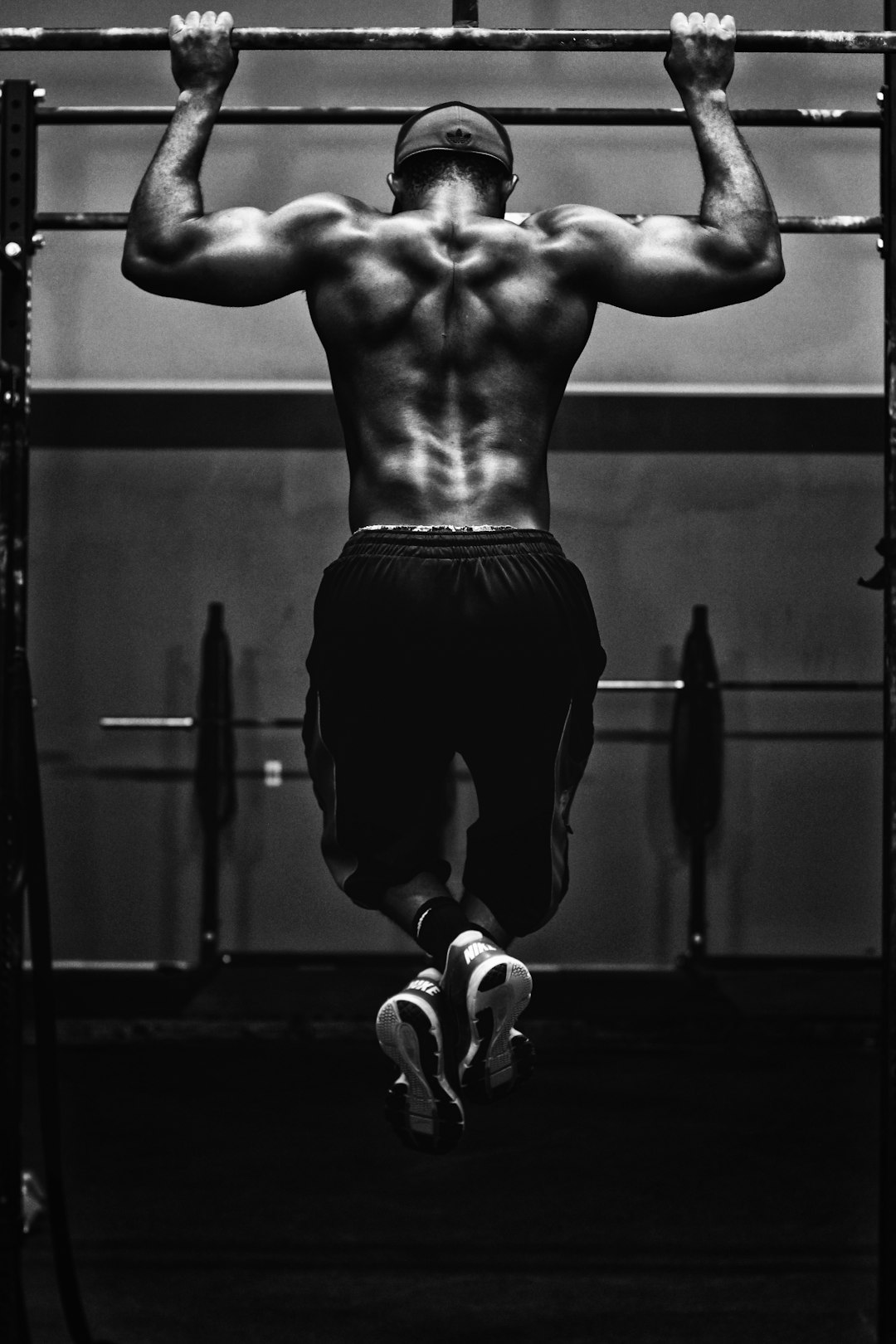
Neglecting pulling movements is extremely common in teen athlete self-programmed workouts. Push-ups are the obvious bodyweight exercise everyone knows, but without rows and chin-ups to balance them, shoulder imbalances develop over time. If you have access to a low bar, playground equipment, or a sturdy table edge, get some pulling work in every session — your posture and shoulder health will thank you.
Finally, do not underestimate sleep and nutrition. Strength gains happen during recovery, not during the workout itself. Aim for 8–9 hours of sleep per night and make sure you are eating enough to fuel training and support repair. Protein from whole food sources at most meals and enough carbohydrates to support sport practice on top of your training sessions are the basics. No program overcomes chronic under-recovery.
Explore more: Training & Performance.
bodyweight workout for teen athletes FAQs
Is bodyweight training enough to build real strength for teen athletes?
Yes, especially for beginners and intermediate athletes. Bodyweight training builds a strong foundation of relative strength, core stability, and movement quality. As you advance, adding resistance bands or light weights can extend your progress, but a well-structured bodyweight program alone delivers meaningful results for most teen athletes.
Will strength training stunt my growth as a teenager?
No — this is a widely repeated myth. The NSCA, AAP, and ACSM all confirm that appropriately designed strength training does not damage growth plates or stunt height. The actual risk comes from maximal single-rep lifts and heavy overhead loading, both of which a bodyweight program naturally avoids.
How many days a week should a teen athlete do this program?
Two to three nonconsecutive days per week is the standard recommendation, with at least one rest day between strength sessions. If you are also playing a sport in season, count practices and games as part of your training load and adjust accordingly — more is not always better, and recovery is where adaptation actually happens.
Level Up With SportsSteps
Track your athlete’s progress, connect with coaches and your team, and grow — get the SportsSteps app. Get the SportsSteps App.
Photo by Edgar Chaparro on Unsplash.