Picking a sport for an autistic child isn’t about finding the “most popular” activity — it’s about matching the sport’s structure, sensory profile, and social demands to your kid’s actual wiring. Some autistic kids thrive in the predictable lanes of a swim class; others do best running full-speed around a track with nobody talking to them; others light up in a team setting once the right supports are in place.
This guide walks through how to evaluate a sport before you sign up, breaks down the activities that tend to work well and why, and covers the practical details — sensory prep, coach communication, and common mistakes — that make the difference between a good first practice and a child who never wants to go back.
Quick Answer
Individual, low-noise, high-structure sports tend to be the easiest starting point for most autistic kids: swimming, martial arts (karate, taekwondo, judo), track and field, gymnastics, and cycling. Team sports can absolutely work too — soccer through TOPSoccer or Unified Sports programs is a common entry point — but they usually need more sensory and social scaffolding to go well.
How to Match a Sport to Your Child
Start with your child’s sensory profile, not the sport’s popularity. If loud whistles, crowded gyms, or unpredictable crowd noise are hard triggers, a packed team practice at a busy rec center is a rough starting point — a quieter swim lane or a small martial arts class will go better. If your child is a sensory seeker who needs heavy movement and deep pressure, swimming, gymnastics, or martial arts (which all provide strong proprioceptive input) tend to be regulating rather than overwhelming.
Think about how much unstructured social interaction the sport requires. Individual sports with clear, repeatable routines — swim laps, a karate kata, a 100-meter sprint — ask less of a child’s social processing in the moment than a fast-moving team sport where players have to read teammates’ intentions on the fly. That doesn’t rule out team sports; it just means they usually work better once a child has some foundational comfort with structured movement, or when the program is specifically designed to be inclusive from the start.
Also weigh your child’s interests. A kid obsessed with routines and counting may love the rep-based structure of swimming or track. A kid who loves climbing and jumping may be drawn to gymnastics. Following an existing special interest into a sport is often more effective than picking the “recommended” activity and hoping motivation follows.
Sports and Programs Worth Considering
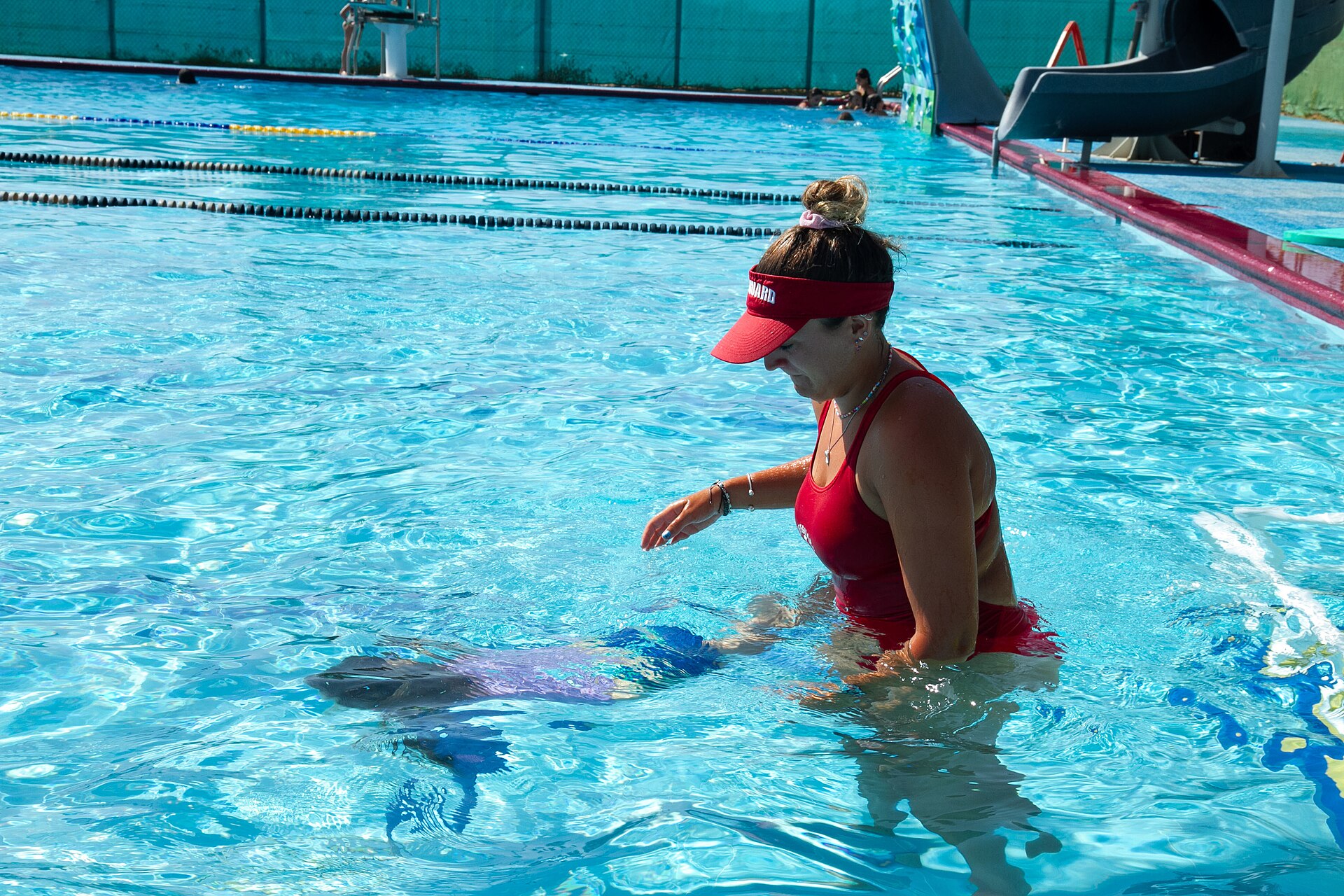
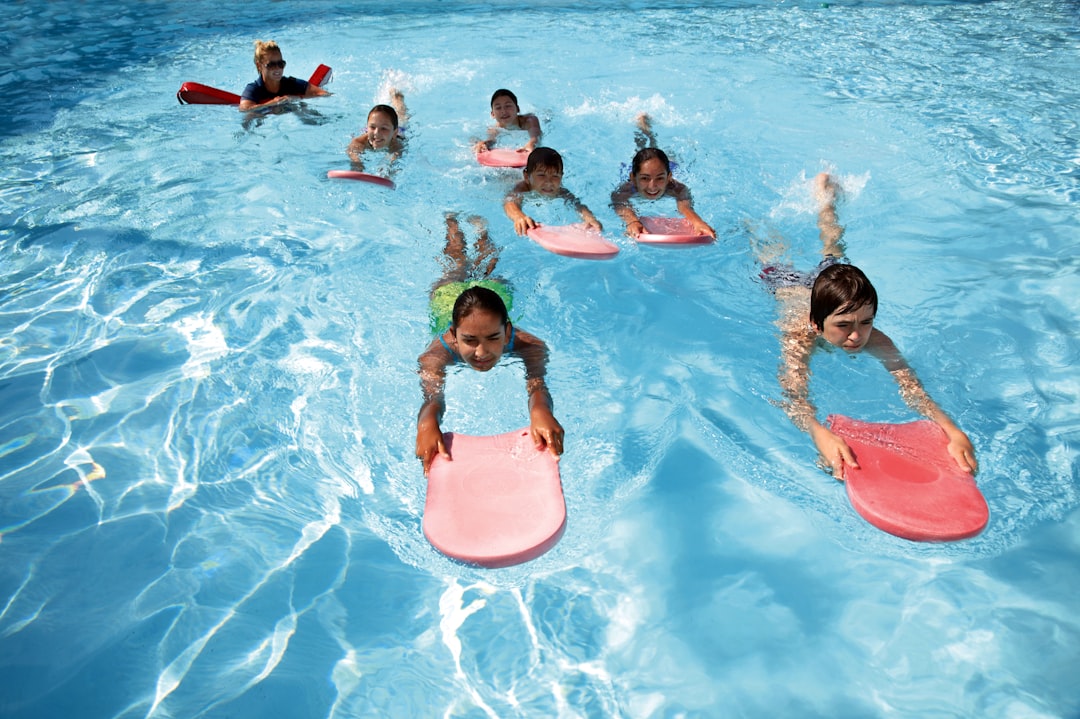
Swimming is frequently the first recommendation, and for good reason: the water itself provides calming, full-body sensory input, lessons are typically one-on-one or small-group, and it doubles as a critical safety skill — autistic children have a higher risk of wandering toward water, so swim competency matters beyond the sport itself. Many pools and Y programs now offer sensory-friendly swim times with dimmed lights and reduced noise; call ahead and ask.
Martial arts (karate, taekwondo, judo) pairs well with autism for similar reasons: classes are highly structured, instructions are broken into small repeatable steps, and progress is visible and concrete through belt ranks — which appeals to kids who like clear, predictable markers of achievement. Look for a studio or instructor with experience teaching students with autism or other neurodivergent kids.
Track and field and running suit kids who crave movement and want a simple, low-social-complexity way to measure success — you run, you finish, the goal is unambiguous. Gymnastics builds body awareness, balance, and strength through structured stations. Cycling and bowling are both good low-pressure options that build independence and coordination without a lot of unpredictable social demands.
For team sports, look specifically for adaptive or inclusive programs rather than a standard rec league. TOPSoccer (The Outreach Program for Soccer), run through US Youth Soccer, modifies the game for kids with disabilities ages roughly 4 to 19 and pairs many players with a peer buddy. Special Olympics offers both traditional Special Olympics competition and Unified Sports, which teams athletes with and without intellectual disabilities on the same roster. Many local Autism Society chapters and children’s hospitals also maintain lists of adaptive sports programs by region, which is often the fastest way to find a vetted, autism-experienced coach near you.
Tips and Common Mistakes
Do a trial visit before committing to a season. Watch or sit in on a practice, notice the noise level, lighting, and how the coach gives instructions, and let your child observe or try it once before signing up for a full session.
Prep for sensory load in advance: pack noise-reducing headphones, sunglasses, a fidget, or a weighted item if that’s part of your child’s regulation toolkit, and identify likely triggers (starting whistles, echoey gyms, crowded sidelines) ahead of time so they’re not a surprise.
Talk to the coach directly before the first practice. Explain what helps your child process instructions — many autistic kids need a beat of extra processing time after a verbal cue before they can respond, so a coach who pauses and waits rather than immediately repeating or escalating the instruction will get a much better result.
The biggest mistake parents make is treating the first sport choice as permanent. It’s completely normal to try swimming for a season, learn it’s not the right sensory fit, and pivot to martial arts or track. Trying, adjusting, and trying again is the process — not a sign it isn’t working.
Explore more: More youth sports guides.
Best Sports for Autistic Kids FAQs
What is the single best sport for an autistic child?
There isn’t one best sport for every autistic child — it depends on sensory needs and interests. Swimming is the most commonly recommended starting point because it’s calming, low-social-pressure, and teaches an important safety skill, but martial arts and track and field are just as strong for many kids.
Can autistic kids play team sports like soccer or basketball?
Yes. Many autistic kids do well in team sports, especially through adaptive programs like TOPSoccer or Special Olympics Unified Sports that build in extra structure, peer buddies, and coaches trained to work with neurodivergent athletes. A standard, unmodified rec league is a harder starting point than an adaptive one.
How do I find adaptive sports programs for autism near me?
Start with your local Autism Society chapter, a children’s hospital’s adaptive sports or rehabilitation program, your regional Special Olympics chapter, and US Youth Soccer’s TOPSoccer directory. Many YMCAs and community pools also run sensory-friendly or adaptive swim programs.
What sensory accommodations help autistic kids during sports?
Common accommodations include quieter or off-peak practice times, noise-reducing headphones, advance warning before whistles or loud signals, visual schedules or picture cues for drills, and coaches who give one instruction at a time and pause before repeating it.
Level Up With SportsSteps
Track your athlete’s progress, connect with coaches and your team, and grow — get the SportsSteps app. Get the SportsSteps App.
Photo: U.S. Navy photo by Mass Communication Specialist 3rd Class Angela Grube / Public domain, via Wikimedia Commons.