
When ice, snow, or just a lack of daylight shuts down the backyard or the practice field, kids still need somewhere to move. The good news is that nearly every town now has climate-controlled options that let young athletes keep building strength, coordination, and conditioning without waiting for spring.
This guide walks through the best indoor winter sports and activities for kids, how to pick the right one for your child’s age and goals, and how to use indoor training to keep skills sharp for whatever sport they play outdoors.
Quick Answer
The best indoor winter options for kids are trampoline parks, indoor climbing gyms, indoor soccer/futsal leagues, ice skating or hockey rinks, swimming, martial arts, gymnastics, and indoor track or field house training. Pick based on your child’s age, current sport, and whether the goal is general fitness or sport-specific skill work.
Top Indoor Options to Try This Winter
Trampoline parks give younger kids an easy, low-pressure way to burn energy while working on balance, coordination, and body control through jumping, landing, and basic tricks. Most parks also run dodgeball, foam-pit, and ninja-course sessions that double as cardio without feeling like a workout.
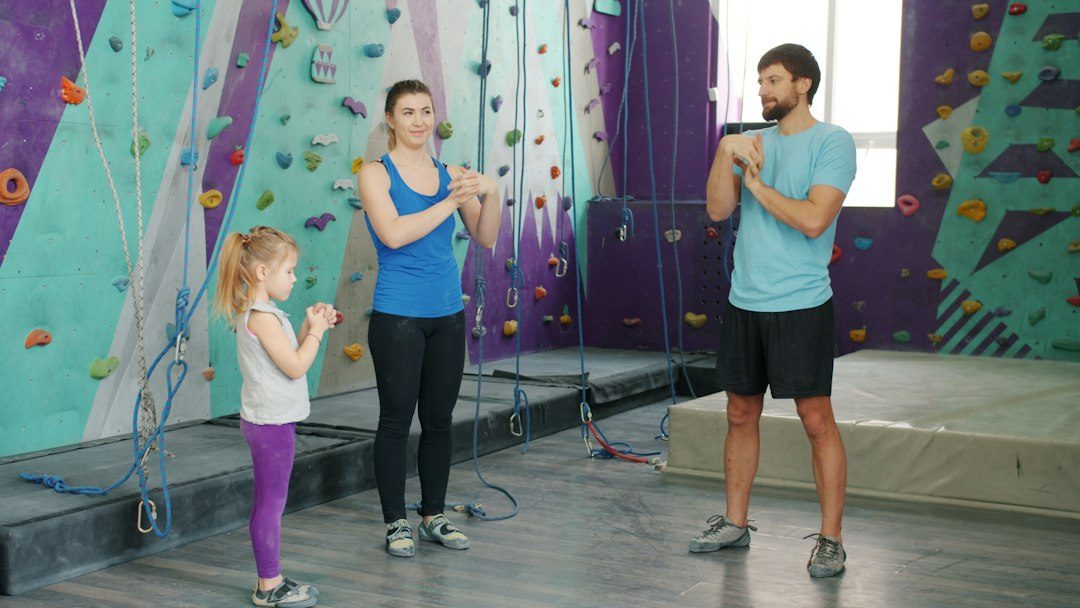
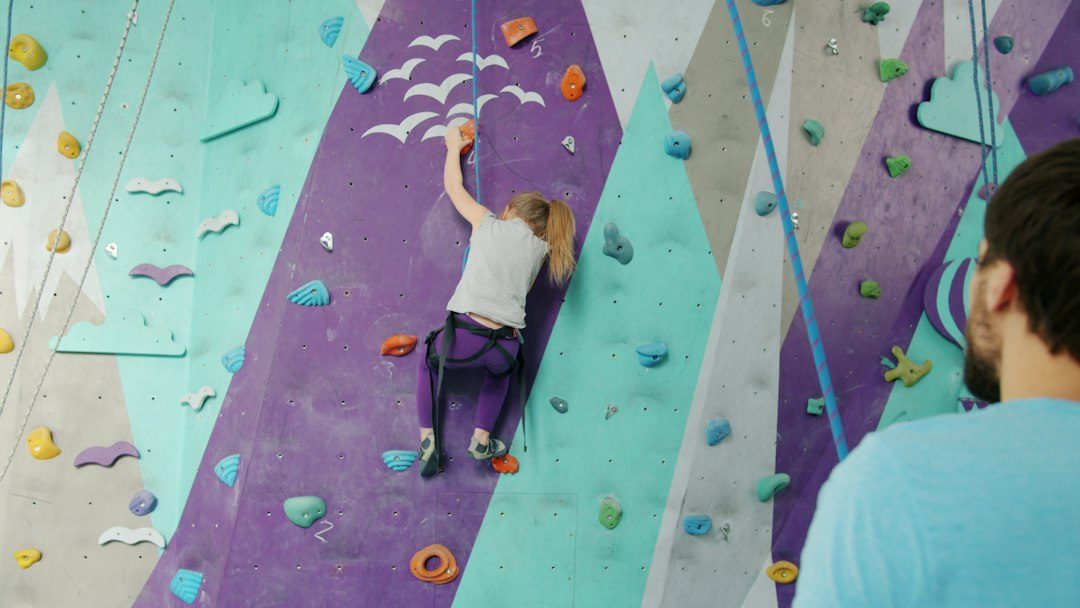
Indoor climbing gyms are excellent for building grip strength, problem-solving, and full-body control. Many gyms offer bouldering (climbing without ropes, closer to the ground) specifically for kids, plus youth climbing teams for those who want to compete.
Indoor soccer and futsal keep field-sport kids sharp over winter. The smaller space and faster-paced ball control translate well back to the outdoor field once the season returns, and most rec leagues and sports complexes run youth divisions from fall through early spring.
Ice skating and youth hockey are the obvious fit if you have a rink nearby, but even non-hockey kids benefit from skating sessions for balance, leg strength, and edge control.
Swimming is one of the most complete year-round options: it builds cardiovascular endurance and full-body strength with low impact on growing joints, which makes it a good cross-training choice for kids in running- or jumping-heavy sports.
Martial arts (judo, taekwondo, Brazilian jiu-jitsu, karate) build discipline, balance, and functional strength, and most dojos run consistent indoor class schedules all winter regardless of weather.
Gymnastics develops the foundational strength, flexibility, and body awareness that carries over into almost every other sport, which is why many coaches recommend it as a winter supplement even for kids whose primary sport is something else.
Indoor track and field houses, where available, let distance runners and sprinters keep training on a real track instead of a treadmill, and many host indoor meets through the winter season.
Track your kid's progress and get age-right drills free. Create a free account →
How to Choose the Right Fit
Match the activity to the child’s current sport when possible. A soccer or basketball player benefits most from indoor soccer, futsal, or a field house; a figure skater or hockey player should prioritize rink time; a swimmer or runner benefits from cross-training in the pool or on an indoor track.
For younger kids (roughly ages 4-8) who aren’t yet committed to one sport, prioritize variety and fun over structure — trampoline parks, gymnastics, and swim lessons build general athleticism without the pressure of competition.
Check for trial classes or drop-in sessions before committing to a season-long program. Most trampoline parks, climbing gyms, and martial arts studios offer a single-visit or trial-class rate so you can gauge interest before buying a membership or signing up for a full season.
Factor in recovery and the CDC’s recommendation that kids and teens ages 6-17 get at least 60 minutes of moderate-to-vigorous physical activity every day, not just most days — indoor sports count toward that total just as much as outdoor play, and the hour doesn’t have to happen all at once, so one solid session plus active play at home can add up to cover the day.
Tips / Common Mistakes
Don’t skip the warm-up just because the activity feels like play. Trampoline and climbing sessions still load joints and tendons, so a few minutes of dynamic stretching reduces strain and soreness, especially for kids coming off a break from organized sport.
Avoid overbooking the winter calendar. Packing in multiple indoor activities on top of an existing sport’s practice schedule can lead to burnout or overuse injuries — one or two focused sessions a week is usually enough supplemental activity.
Check footwear and safety gear requirements before you go. Climbing gyms often require (or rent) climbing shoes, trampoline parks require grip socks, and rinks require properly fitted skates — arriving without the right gear is the most common reason for a wasted trip.
Don’t assume every facility is appropriate for every age. Call ahead or check the facility’s website for age minimums, height/weight limits (common at trampoline parks), and whether they offer age-grouped sessions so your child isn’t mixed in with much older kids.
Explore more: more youth sports training tips.
Indoor winter sports for kids FAQs
What is the best indoor sport for a young child who isn’t ready for team sports?
Gymnastics, swim lessons, and trampoline park open-jump sessions are good starting points because they build coordination and confidence without the structure or pressure of a team sport.
Can indoor training actually improve outdoor sport performance?
Yes. Cross-training activities like swimming, climbing, and indoor track work build strength, endurance, and coordination that carry over directly to outdoor sports, and sport-specific indoor options like futsal or an indoor field house let kids keep practicing the actual skills of their sport.
How often should kids do indoor sports in winter?
One to three sessions a week is typically enough to maintain conditioning and skills, especially alongside the CDC-recommended 60 minutes of daily active play and movement kids should be getting every day, not just most days.
Are trampoline parks safe for kids?
Reputable parks post age and weight/height guidelines, require grip socks, and separate jump areas by skill or age — following the facility’s posted rules and supervision requirements is the main way to keep the visit safe.
Level Up With SportsSteps
Track your kid's progress and get age-right drills free
A free AI coach for their sport, drills that fit their level, and a simple log of every practice and game.
Create a free accountFor families, athletes, coaches & clubs
Want training tips and sports news in your inbox? Subscribe to the free newsletter.
Photo by Vitaly Gariev on Unsplash.