
A young sprinter who keeps false starting usually isn’t lacking talent — they’re guessing the gun instead of reacting to it. That habit gets built in practice, which means it can be fixed in practice too.
This guide walks through why kids false start, the drills that actually retrain the reaction, and the sequencing mistakes (like rushing into blocks too early) that make the problem worse instead of better.
Quick Answer
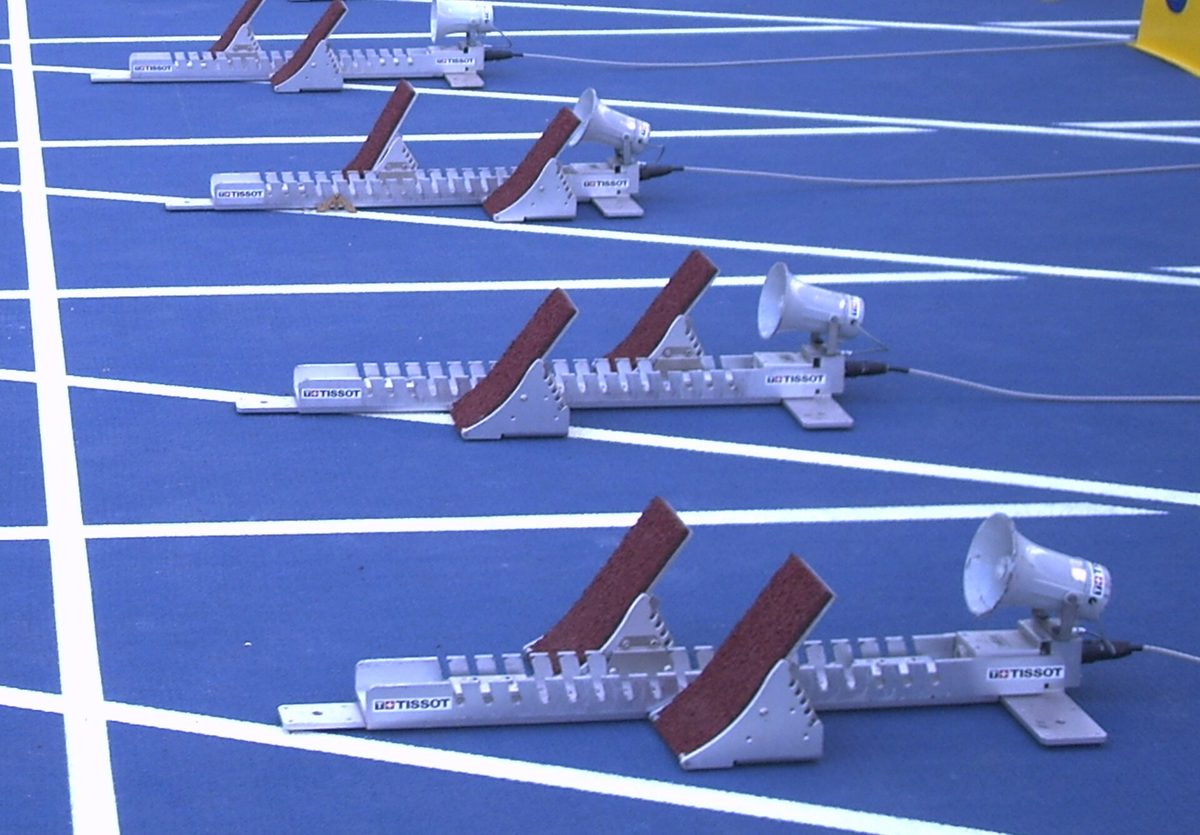
Most youth false starts come from anticipating the gun rather than reacting to it. Fix it by isolating the ‘set’ position on its own, adding drills where the gap between ‘set’ and the start signal varies randomly, and holding off on starting blocks until a standing or three-point start is solid.
Why Young Sprinters False Start
The most common cause is anticipation: the athlete has run the start so many times that their body starts moving on a predicted timing rather than waiting for the actual signal. This shows up as the athlete actually leaving their mark — a hand or foot coming off the ground or blocks — right before or as the gun fires.
A second cause is poor weight distribution at ‘set.’ If an athlete leans too much weight onto their hands, their body is already past the point of balance, and the smallest trigger — nerves, a loud crowd, a competitor shifting — can tip them into forward motion that actually breaks contact with their mark.
A third, very common cause for younger athletes: they were put into starting blocks before they’d mastered a standing or three-point start. Blocks add a mechanical challenge (foot placement, hip height, driving out at an angle) on top of the reaction challenge, and when both are shaky, false starts spike.
Worth noting for coaches and parents: a false start is specifically leaving your mark — losing hand or foot contact with the ground or blocks — after ‘set’ but before the signal, or making forward motion that inevitably leads to that, not just any twitch. NFHS rules were updated so incidental or extraneous movement in the set position that doesn’t actually result in leaving the mark isn’t automatically charged as a false start, and World Athletics’ rule works on the same underlying principle: a false start occurs when an athlete loses contact with the ground or blocks with hands or feet, not merely from being unsteady. Most youth and high school meets also rely on the starter’s judgment to make that call rather than the electronic reaction-time sensors used in blocks at elite meets, and rules on how many false starts are allowed before the responsible athlete is disqualified vary by meet and governing body — check your specific league’s current rulebook rather than assuming.
Free AI coach + drill plans for your team. Get free drill plans →
Drills That Fix the Reaction, Not Just the Technique
Start with a standing or three-point start before touching blocks. If an athlete is false-starting out of blocks, pull them back to a standing sprint start or a hand-on-the-ground three-point stance for a few sessions. Removing the block setup isolates the reaction problem so you can actually see and fix it.
‘Hold the Set’ drill: have the athlete get into their set position and hold it — no countdown, no gun — while you check their weight distribution (shoulders slightly ahead of hands, weight balanced, not collapsing forward). Build the habit of holding a stable, patient set position before adding any start signal at all.
Variable-timing reaction drill: once the set position is stable, add the start signal (whistle, clap, or gun) but vary the gap between ‘set’ and the signal — sometimes a second, sometimes several seconds. This is the core fix for anticipation, because it removes the predictable rhythm the athlete has been subconsciously timing.
Partner or mirror reaction drills: have the athlete react to a visual cue (a partner’s hand drop, a dropped ball) instead of only sound. This trains general reaction speed without reinforcing a single, memorized start rhythm.
Only reintroduce blocks once the set position and reaction are consistent without them. Add blocks back gradually, keeping the same variable-timing approach, and watch specifically for the early-lean habit returning under the added setup.
Tips / Common Mistakes
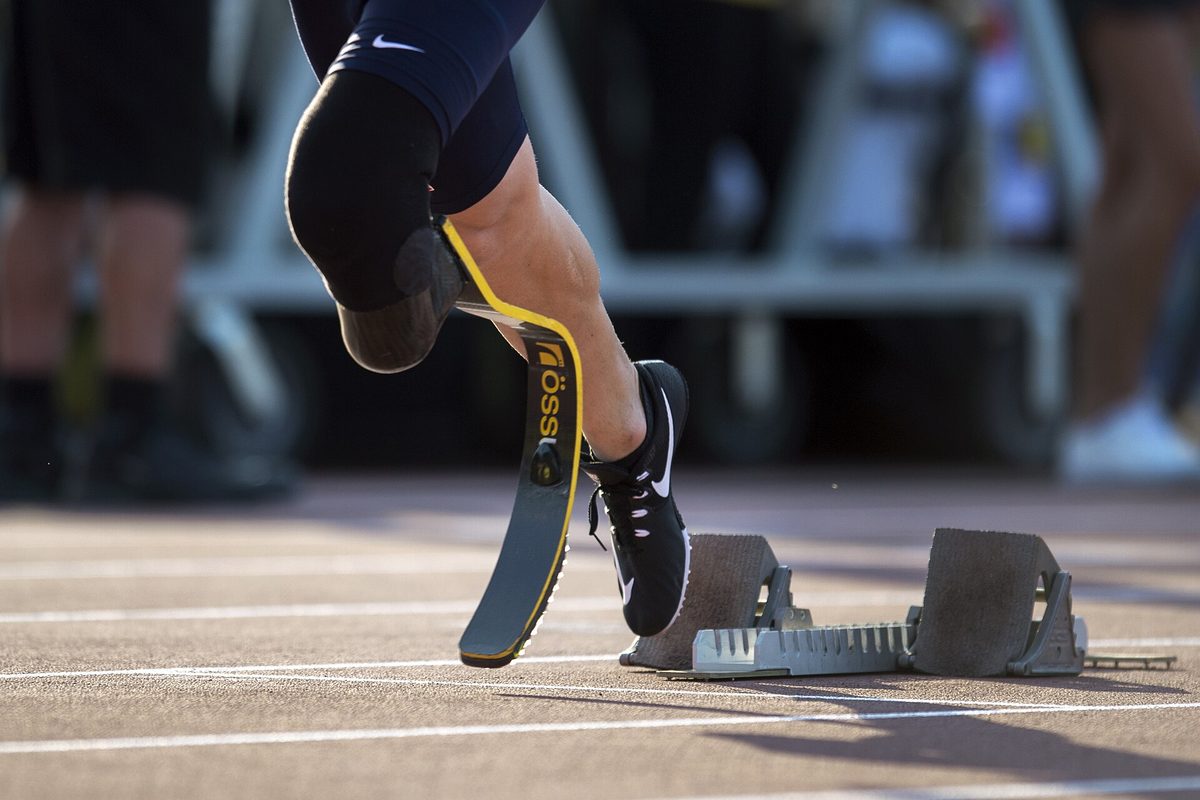
Don’t drill the same count every time (‘set… go’ on a fixed beat) — that’s exactly the pattern that teaches athletes to anticipate rather than react.
Watch for the hand or foot actually leaving the mark at ‘set,’ not just any shift in weight. A true false start is the athlete breaking contact with the ground or blocks before the signal, or a forward ‘rolling start’ that inevitably leads to that; a minor twitch that doesn’t break contact isn’t one, so don’t over-call it in practice.
Resist moving a young athlete into blocks just because teammates are using them. Mastering a standing and three-point start first makes the eventual transition to blocks faster and cleaner, not slower.
If false starts keep happening under meet pressure but not in practice, the issue is often nerves rather than mechanics — simulate competition pressure in practice (teammates watching, a starter’s voice, a countdown) before meet day.
Explore more: More sprint and track coaching drills.
Sprint start false starts FAQs
What counts as a false start in track?
A false start happens when an athlete leaves their mark — losing hand or foot contact with the ground or blocks — after the ‘set’ command but before the starting signal, or makes forward motion (a ‘rolling start’) that inevitably leads to leaving the mark. Extraneous or incidental movement in the set position that doesn’t actually result in leaving the mark is not automatically treated as a false start under current NFHS rules, and World Athletics applies the same underlying logic. At elite meets using electronic starting blocks, a reaction time faster than what’s humanly possible to react to the gun is flagged as a false start.
How many false starts are allowed in youth track?
This varies by meet and governing body, but most youth and high school rules call for disqualification of the athlete responsible for a false start rather than allowing a set number of attempts per race. Check the specific league or meet rulebook, since age-group exceptions do exist in some organizations.
Should young sprinters start in blocks right away?
No. Most coaching guidance recommends young or first-season sprinters begin with a standing start, then a three-point or four-point start, and only move into starting blocks once that foundation and their strength are solid. Rushing into blocks too early is a common cause of false starts.
What’s the single best drill for stopping anticipation-based false starts?
Variable-timing reaction drills — holding the ‘set’ position for a randomized amount of time before giving the start signal — are the most direct fix, because they remove the predictable rhythm an athlete’s body has learned to anticipate.
Level Up With SportsSteps
Free AI coach + drill plans for your team
Build practice plans, share drills with players and parents, and track how your team improves.
Get free drill plansFor families, athletes, coaches & clubs
Want training tips and sports news in your inbox? Subscribe to the free newsletter.
Photo: LexSprinter / CC BY-SA 3.0, via Wikimedia Commons.