Not every kid lights up at the idea of joining a team. For a child who deals with anxiety, the typical advice to “just sign them up for soccer” can backfire fast — tryouts, scoreboards, and a coach yelling from the sideline are exactly the kind of pressure that makes anxious kids dread practice instead of look forward to it.
The good news is that the sport itself matters less than the format it’s played in. This guide walks through what actually makes an activity low-pressure, which sports and leagues tend to fit anxious kids well, and which setups are worth avoiding or adjusting.
Quick Answer
Look for sports with self-paced progress and little public judgment — swimming lessons, martial arts with a belt system, biking, hiking, indoor rock climbing, and no-cut recreational leagues (like YMCA or AYSO soccer) tend to work well. Be more cautious with appearance- or score-judged individual sports (competitive gymnastics, dance, tennis singles) and high-stakes club/travel teams, where tryouts, cuts, and a heavy practice or tournament schedule can pile on pressure an anxious kid doesn’t need.
What Actually Makes a Sport Low-Pressure
It’s less about the sport’s name and more about four things: how progress is measured, how much of an audience is watching, how the coach talks about winning, and how much is riding on any single moment. A sport with clear, personal progress markers — like a belt test or a lap time only the child sees — lets a kid measure themselves against their own past performance instead of against teammates or opponents.
No-cut recreational leagues matter for the same reason. Organizations like the YMCA and AYSO run their youth programs with no tryouts, guaranteed playing time, and an explicit focus on skill-building and fun over rankings — a very different experience than a club or travel team built around standings and selective rosters.
Commitment level matters too. A once- or twice-a-week recreational schedule gives an anxious kid room to breathe; a program with multiple practices, frequent tournaments, and parent expectations stacked on top tends to turn a hobby into another source of dread.
Sports and Formats Worth Trying
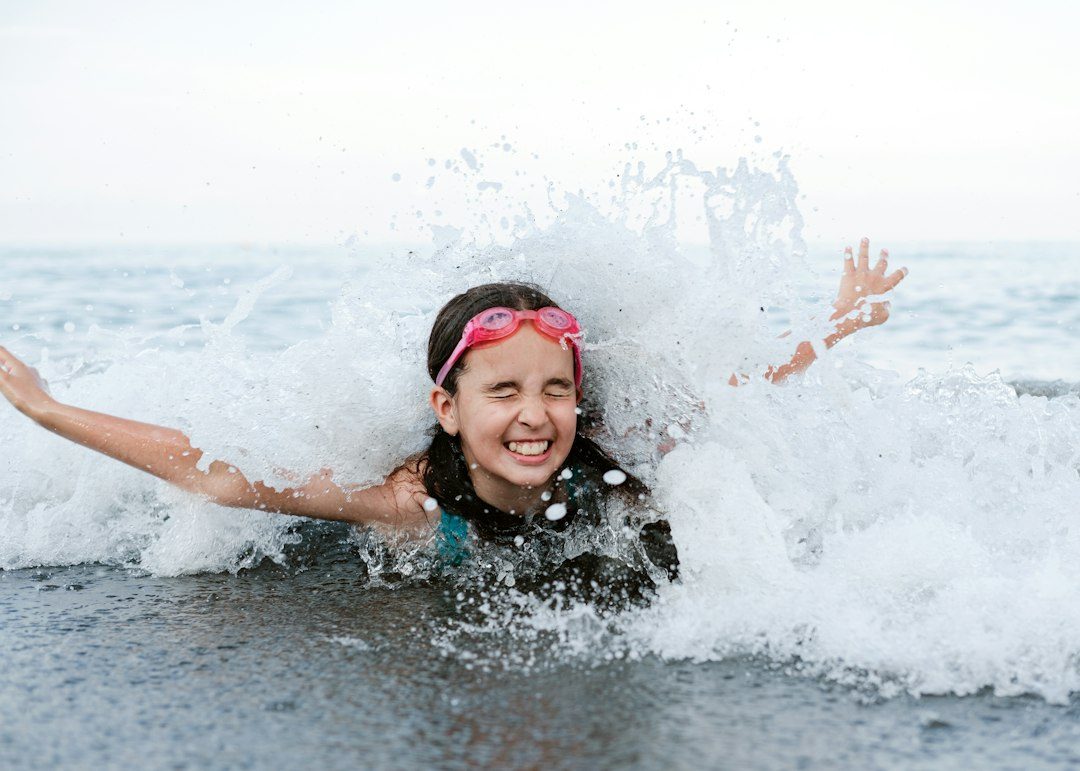
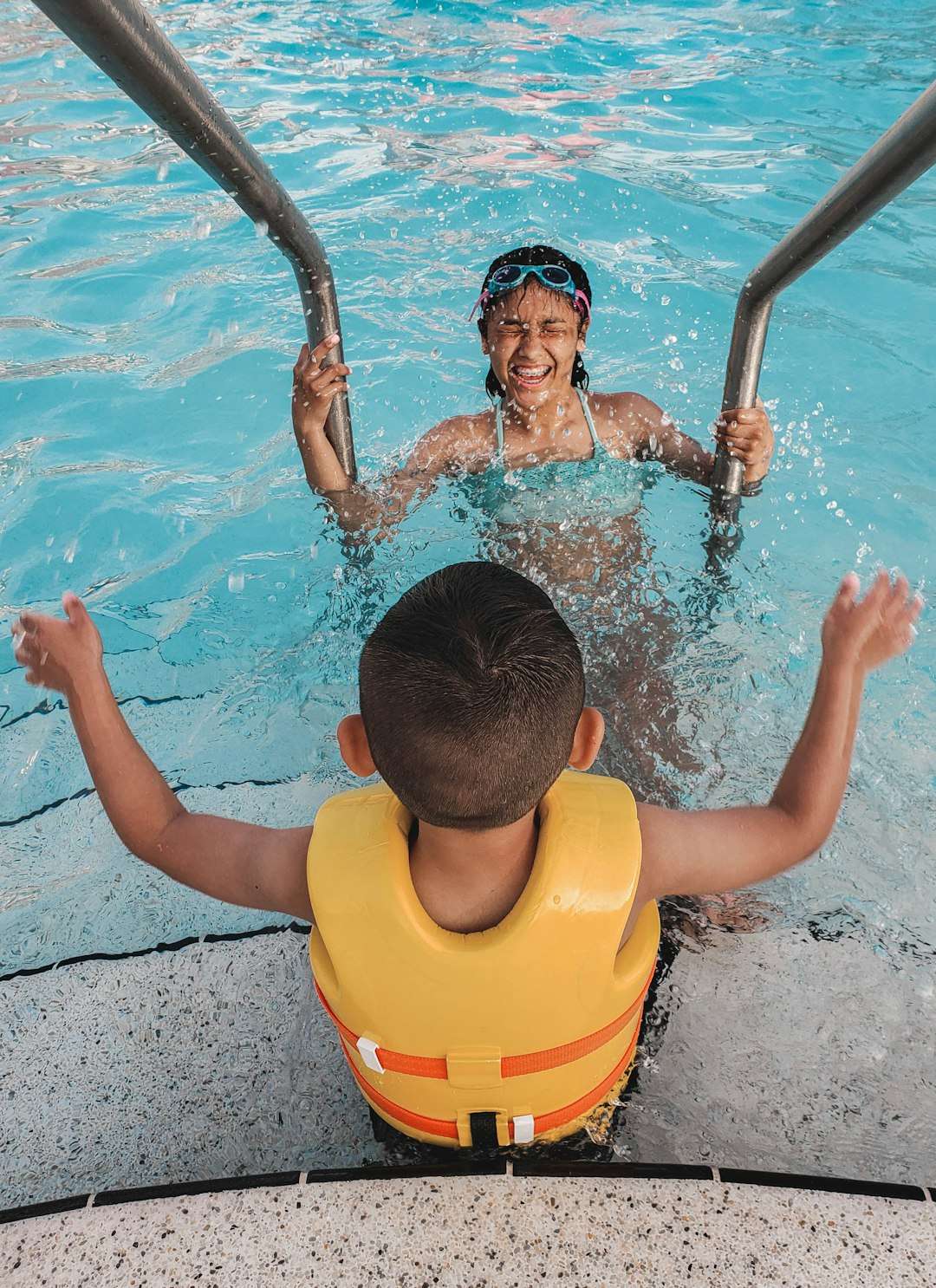
Swimming (lessons or a low-key rec team): Kids compete mainly against their own times, there’s no ball to drop in front of a crowd, and the structure is predictable lap after lap. Many community pools offer a ‘rec’ or ‘novice’ swim tier that skips the meet pressure entirely.
Martial arts with a belt system (karate, taekwondo, judo, BJJ): Because it’s an individual pursuit practiced in a group, there’s no teammate to let down and no bench to sit on. Progress toward the next belt gives a visible, earned sense of improvement that isn’t dependent on beating anyone else.
Biking, hiking, and indoor rock climbing: All three are inherently self-paced — a climbing wall has routes rated by difficulty that a kid chooses and attempts at their own speed, with no one else’s performance in the picture.
Recreational, no-cut team sports (YMCA or AYSO soccer, rec basketball, rec T-ball): The team format still builds social connection and belonging, but without tryouts, cuts, or a scoreboard-obsessed culture, it tends to lower rather than raise anxiety for most kids.
Track or cross-country run purely for personal time goals: Running against a stopwatch rather than directly against another runner can suit a kid who wants a physical outlet without face-to-face competition — just steer clear of programs that emphasize place finishes over personal bests.
Tips and Common Mistakes
Let the child pick, or at least veto. A sport chosen because a parent loved it growing up is a different experience than one the kid actually wants to try.
Start recreational before competitive. It’s much easier to move a confident, happy kid up to a club or travel team later than to walk back the damage of starting too intense.
Praise effort and specific moments, not outcomes. ‘I liked how you kept trying that move’ lands very differently than ‘Did you win?’ after every practice or game.
Talk to the coach early. A quick conversation about your child’s anxiety helps a good coach adjust how they give feedback or handle mistakes in front of the group.
Don’t assume individual sports are automatically lower-pressure. Sports that are judged subjectively or emphasize appearance (competitive gymnastics, figure skating, dance) can create more comparison and anxiety than a relaxed team sport — the deciding factor is the format and culture, not whether it’s a ‘team’ or ‘solo’ activity.
If anxiety is interfering with daily life, loop in a pediatrician or child psychologist rather than trying to solve it through sport alone.
Explore more: more youth sports guides.
Low-pressure sports for anxious kids FAQs
Are individual sports better than team sports for anxious kids?
Not necessarily. Some research has found young athletes in individual sports report anxiety and depression more often than those in team sports, likely because many individual sports are judged, appearance-focused, or emphasize beating a personal best under pressure. The better predictor is whether the format is recreational and self-paced, not whether it’s played solo or with a team.
What age should a child with anxiety start playing sports?
There’s no fixed age — follow the child’s readiness rather than a calendar. Many families start with low-key options like swim lessons, a no-cut rec league, or a beginner martial arts class around ages 5 to 7, then reassess based on how the child responds.
Should I pull my anxious child out of a sport they seem to dread?
Before quitting entirely, try adjusting the format first — switching from a club team to a recreational league, talking to the coach, or reducing the practice schedule. If the dread persists after those changes, it’s reasonable to let them stop and try something else; sports should build confidence, not just add stress.
Level Up With SportsSteps
Track your athlete’s progress, connect with coaches and your team, and grow — get the SportsSteps app. Get the SportsSteps App.
Want training tips and sports news in your inbox? Subscribe to the free newsletter.
Photo by Stas Ostrikov on Unsplash.