
A concession stand can be one of the easiest, most reliable fundraisers a youth sports program runs — parents and fans are already there, hungry, and happy to spend a few dollars between innings or quarters. But too many stands break even or lose money simply because nobody sat down and worked out a menu and a pricing plan before the season started.
This guide walks through which items actually make money, how to price them so the math works in your favor, and the mistakes that quietly eat into concession stand profits.

Quick Answer
Stock a short menu of low-cost, non-perishable, easy-to-prepare items — candy, chips, popcorn, hot dogs, and canned or bottled drinks — and price most items at roughly double to triple what you paid for them. Keep the menu small so volunteers can move fast and waste stays low.
What to Sell
Start with items that are cheap per unit, don’t spoil quickly, and require little to no cooking skill from volunteers. Pre-packaged candy and chips are the easiest wins: they’re shelf-stable, need no prep, and carry a strong markup. Canned soda, bottled water, and sports drinks round out the drink side — keep a mix of ice-cold and room-temperature stock so you can charge a premium for the cold ones at a hot afternoon game.
Popcorn is a classic for a reason: the kernels, oil, and seasoning cost only pennies per serving, and the smell alone pulls people toward the stand. Hot dogs and nachos are the next step up in complexity but remain crowd favorites, and their dollar profit per item can be just as strong — or stronger — than a bag of chips, since the final sale price is higher even after accounting for buns, dogs, cheese, and chips bought in bulk.
Keep the full menu short — a dozen items or fewer is plenty for a youth or high school game. A smaller menu means less inventory to manage, less food that goes to waste, and a faster-moving line, which matters when half your ‘staff’ are parent volunteers working their first shift of the season.
How to Price It
The simplest rule that works across most concession items: price at roughly twice what you paid. Where candy, popcorn, and drinks really shine is that their per-unit cost is so low that you can push the markup percentage much higher than you ever could on a hot dog — a scoop of popcorn that costs you pennies can sell for a couple of dollars without feeling like a ripoff, which is a markup ratio a cooked item could never get away with.
Hot dogs and nachos carry a higher per-unit cost, so they typically can’t support that same sky-high percentage markup — fans have a sense of what a hot dog ‘should’ cost — but a more modest markup on a higher-cost item still produces a solid dollar profit per sale. The tradeoff is that these items take more prep time, more labor, and carry more spoilage risk if you over-order, so treat them as reliable, crowd-pulling anchor items rather than your only profit plan.
Don’t price in a vacuum. Walk the stands at a rival school or league event, or ask other booster club parents what they charge, and land somewhere competitive for your community — a price that feels fair to families with multiple kids in the stands will sell more volume than one that maximizes margin on paper but keeps people walking past the window.
Tips / Common Mistakes
Track what actually sells each season and trim the menu accordingly — a slow-moving item isn’t just lost shelf space, it’s cash tied up in inventory that may expire before it sells. Buy shelf-stable staples (candy, chips, canned drinks, condiments) in bulk well before the season to lock in lower per-unit costs, and only order perishables closer to game day.
Round prices to whole or half dollars ($1, $2, $2.50) so volunteers can make change quickly without a calculator, and consider simple bundles — a hot dog and a drink for one combo price — to move more units per transaction. Finally, put one person in charge of ordering, cash handling, and the schedule; concession stands that rely on a single committed volunteer or coordinator consistently run smoother and more profitably than ones managed by committee.
Explore more: More team fundraising and sponsorship tips.
Concession stand pricing FAQs
What’s the easiest concession stand item to turn a profit on?
Pre-packaged candy, chips, and popcorn are the easiest to run profitably — they cost very little per serving, don’t spoil, need no cooking, and can support a much higher markup percentage than cooked food without feeling overpriced to buyers.
How much should I mark up concession stand food?
A common rule of thumb is pricing around double your cost for most items. Low-cost snacks and drinks can often go well above that percentage since the base cost is so small, while cooked items like hot dogs usually stay closer to that two-times range.
Should a concession stand menu be big or small?
Keep it small. A focused menu of ten to twelve reliable items is easier for volunteers to run, reduces waste from unsold perishables, and keeps the line moving during busy stretches of a game.
Level Up With SportsSteps
Track your athlete’s progress, connect with coaches and your team, and grow — get the SportsSteps app. Get the SportsSteps App.
Want training tips and sports news in your inbox? Subscribe to the free newsletter.
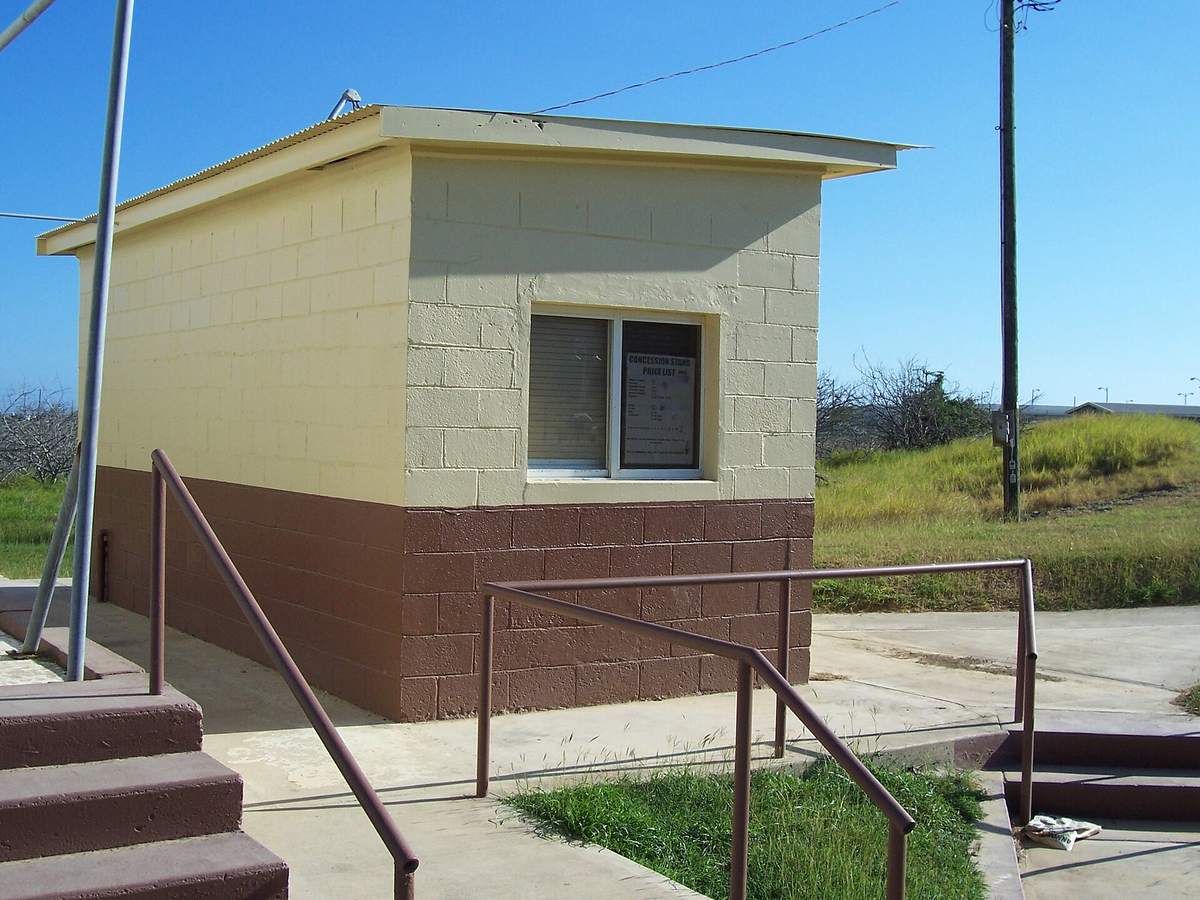
Photo: Michael Rivera / CC BY-SA 4.0, via Wikimedia Commons.