
If your weekend calendar revolves around tournaments and game days, you already know the scramble: pack a lunch that’s fast, that your kid will actually eat, and that won’t leave them sluggish or crampy on the field. Timing and food choices both matter more on game day than on a normal school day.
This guide breaks down exactly what to pack, when your athlete should eat it relative to game time, and the common mistakes that lead to stomach trouble or an energy crash in the second half.
Quick Answer
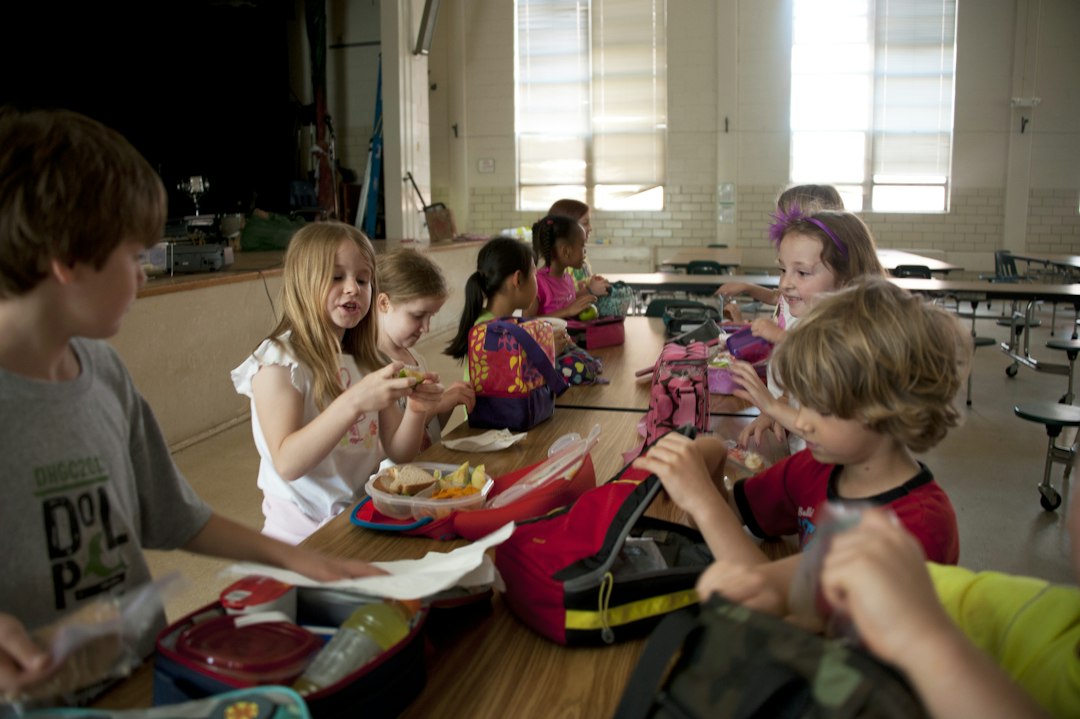
A good game day lunch pairs an easily digestible carbohydrate with a modest amount of lean protein and a little healthy fat, plus water — think a turkey sandwich on whole wheat with fruit and pretzels. Eat a full meal like this 2-3 hours before game time; if game time is closer than that, switch to a light carb-based snack instead.
What to Pack: The Building Blocks
Build the lunch around a carbohydrate for energy (whole wheat bread, pasta, rice, or a bagel), a palm-sized portion of lean protein (turkey, chicken, ham, or peanut butter), and a piece of fruit or a vegetable. Keep added fat moderate — go easy on mayo, fatty cheeses, and fried items rather than cutting fat out entirely.
Good combinations: a turkey and cheese sandwich on whole wheat with grapes and pretzels; a chicken wrap with hummus and baby carrots; or a peanut butter and banana sandwich with a granola bar. Whole grain crackers with cheese or a small oatmeal muffin also travel well and digest easily.
Skip anything heavy, greasy, or very high in fiber right before play. Fried foods, rich sauces, and large amounts of raw vegetables or beans take longer to digest and are more likely to cause cramping or an upset stomach once your athlete starts moving.
Timing It Around the Game
When your athlete eats matters as much as what they eat. A full meal needs roughly 2-3 hours to digest, so if lunch and the game are more than 2 hours apart, pack the full balanced lunch described above.
If the gap is tighter — under an hour or two — swap the full meal for a lighter, carb-focused snack instead: a banana, a granola bar, whole grain crackers, or toast with a thin layer of nut butter. Save the bigger protein-and-fat portions for after the final whistle, when the body is ready to recover.
Don’t forget the water bottle. Encourage your athlete to sip water throughout the morning and in the hour leading up to the game, not just right before first pitch or kickoff. Water is the right call for most youth games; sports drinks are rarely necessary unless play stretches beyond about an hour in hot conditions.
Tips / Common Mistakes
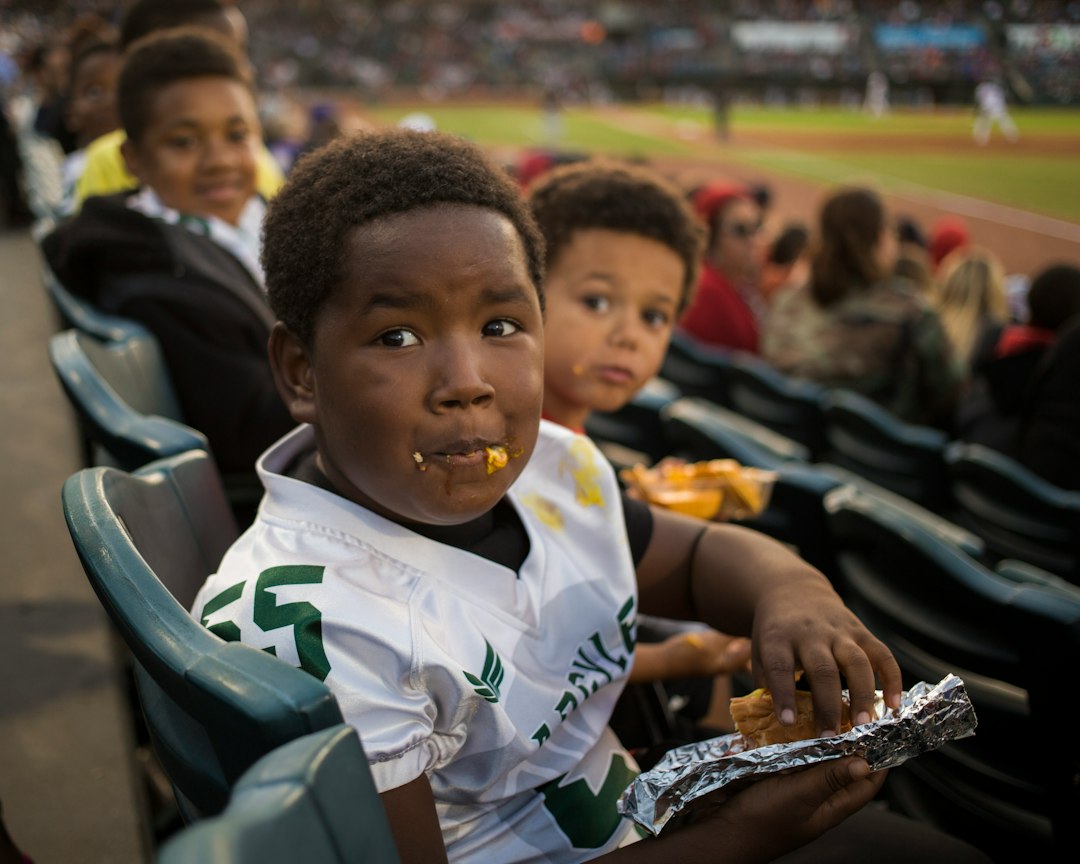
Don’t introduce new foods on game day — stick with meals your athlete has eaten and tolerated well before. Game day isn’t the time to test a new sandwich or a trendy energy bar.
Avoid sugary drinks like soda, juice, and most sports drinks for routine games; they can cause a quick energy spike followed by a crash, and sometimes stomach upset during play.
Pack a little extra. A backup snack (fruit, crackers, or a granola bar) covers delayed start times, long tournament days with multiple games, or a kid who’s hungrier than usual.
Pack lunch the night before when you can. Rushed game-day mornings are when parents default to drive-through food or skip lunch entirely — both work against performance.
Explore more: More parent guides for young athletes.
Game day lunch for young athletes FAQs
How long before a game should my child eat lunch?
Aim for a full, balanced lunch about 2-3 hours before game time. If the game is sooner than that, give a light, easily digestible snack instead, like fruit or crackers, rather than a full meal.
Are sports drinks necessary for youth games?
Usually not. Water is the best choice for most practices and games. Sports drinks are generally only worth considering for intense activity lasting longer than about an hour, especially in heat.
What foods should I avoid packing on game day?
Avoid greasy or fried foods, rich sauces, and large portions of high-fiber foods like beans close to game time — they digest slowly and can cause cramping or stomach discomfort during play.
What’s a quick pre-game snack if lunch was too long ago?
Reach for something carb-based and light: a banana, a granola bar, whole grain crackers, or toast with a thin spread of peanut butter, eaten 30-60 minutes before the game.
Level Up With SportsSteps
Track your athlete’s progress, connect with coaches and your team, and grow — get the SportsSteps app. Get the SportsSteps App.
Want training tips and sports news in your inbox? Subscribe to the free newsletter.
Photo by CDC on Unsplash.