Most teams and leagues send one flat sponsorship price to every business in town — and most businesses say no, because there’s no cheap way to say yes. A tiered package fixes that: it gives a nervous first-time sponsor a $150-$250 entry point while still leaving room for the hardware store or car dealership that wants their name on the jersey.
This guide breaks down the tier structure local businesses actually respond to, what to put in each level, and how to price them so the middle tier — the one you actually want most sponsors to pick — looks like the obvious choice.
Quick Answer
Use three tiers, not five: a low-cost entry tier (roughly $100-$250) for a social media shout-out and website listing, a mid tier (roughly $250-$750) that adds a field or fence banner and newsletter mentions, and a top tier (roughly $500-$1,500+) that adds jersey or warmup-gear logo placement, event naming rights, and in-person recognition at games. Three options is the sweet spot — more than that and businesses spend their time comparing packages instead of signing one.
The Three Tiers, Built Out
Entry tier (often called Bronze or Team Supporter): this is the impulse-buy level, priced low enough that a small shop owner can approve it on the spot without asking a manager. Include a name or logo on the team website, one thank-you post on social media, and a mention in a season-opening email if you send one. Keep the ask simple — a $150 check and a logo file is all you need from them.
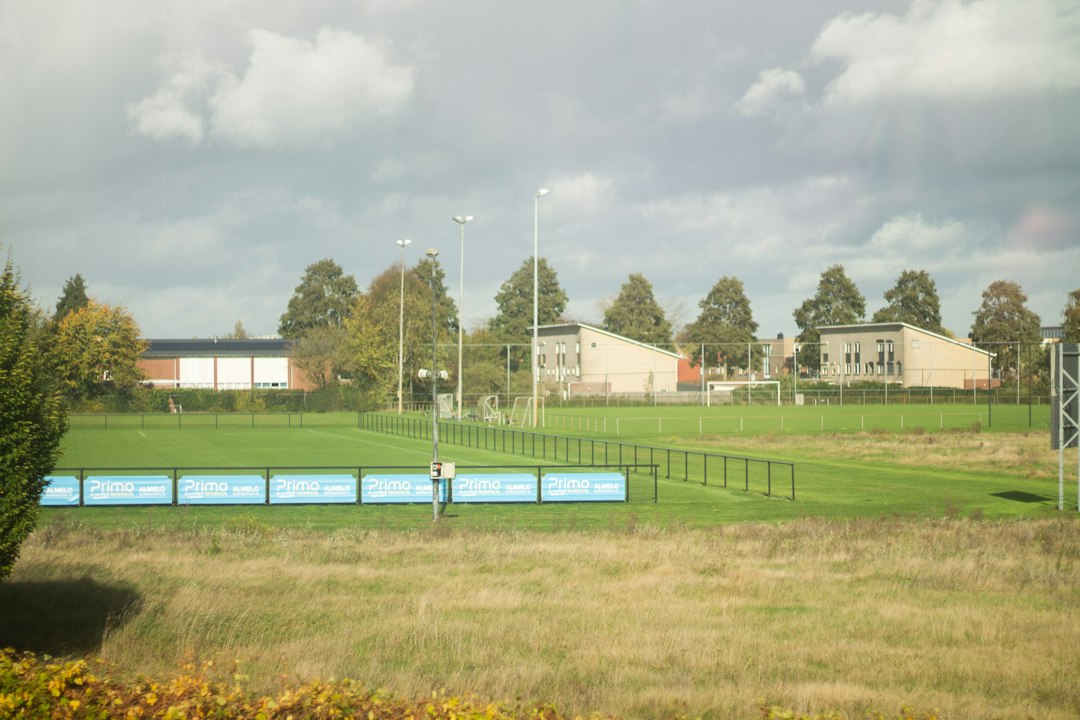
Mid tier (Silver or Team Partner): this should include everything in the entry tier, plus something physical and visible — a fence or field banner for the season, logo placement in the team or league newsletter, and a mention at home games over the PA system if one is available. This tier works well for businesses that want repeat local visibility, like restaurants, gyms, or auto shops near the venue.
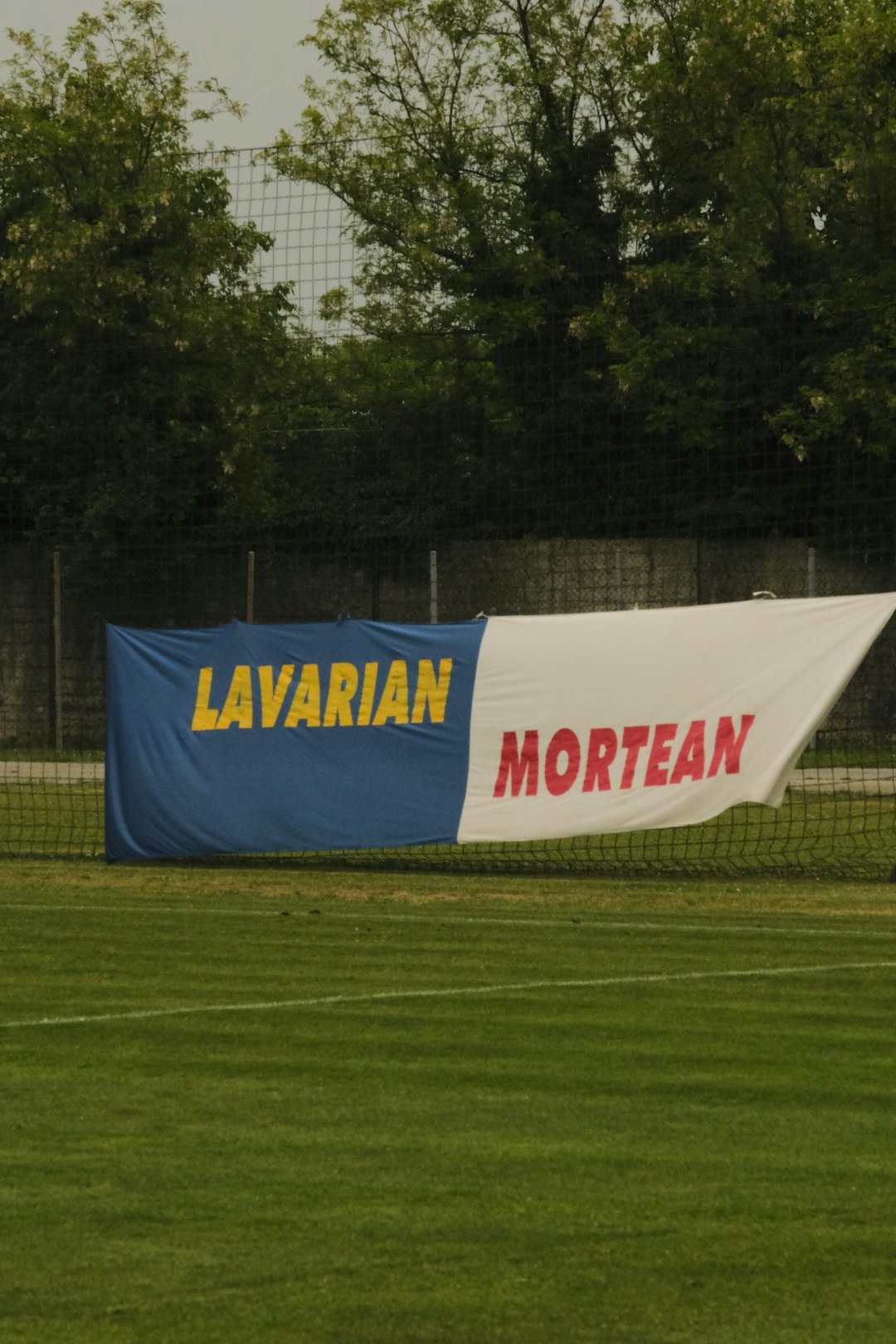
Top tier (Gold or Presenting Sponsor): everything below, plus the perks that get noticed — logo on jerseys, warmups, or practice gear, naming rights to a specific event or tournament, a dedicated social media post or short video feature, and a table or booth at a home game or end-of-season event. Cap this tier at one or two sponsors per team so it stays exclusive and worth the higher price.
A useful trick from leagues that sell out their top tier: set an even higher ‘anchor’ tier above it, even if you rarely expect anyone to buy it. A $2,000-$2,500 naming-rights package makes a $750-$1,000 Gold tier look like the reasonable middle option instead of the expensive one.
Pricing and Positioning So the Middle Tier Wins
A common ratio that works across youth and rec sports: each tier costs roughly two to three times the one below it. If entry is $150, mid lands around $400-$500, and top lands around $1,000-$1,500. Adjust up for larger leagues, tournaments, or teams with strong local media coverage, and down for a single rec team with a small roster.
Put the middle tier in the visual center of your one-page sponsorship sheet and list it first when you talk to a prospect in person — most businesses default to whichever option is presented as the ‘recommended’ or most popular choice. Be specific about what a sponsor actually gets: how many home games, roughly how many families or spectators see a banner, how many social followers see a shout-out. Vague promises like ‘great exposure’ close fewer deals than a line that says ‘banner displayed at all 10 home games, roster of about 40 players and their families.’
Make the ask easy to say yes to: a simple sponsorship form or online payment link, a clear deadline tied to when jerseys or banners need to be ordered, and a one-page PDF or printed sheet a business owner can hand to a manager. The businesses most likely to sponsor are the ones already near your field or gym — local restaurants, dentists, insurance agents, auto shops, and family-owned retailers — so start with a list of businesses within a few miles of your home venue before cold-calling anyone farther away.
Tips and Common Mistakes
Don’t skip the low tier. Teams that only offer a $500+ package leave a lot of money on the table from businesses that would gladly pay $150 but won’t commit to $500. The cheap tier also gets you a longer list of logos on your sponsor page, which itself helps you recruit the next sponsor.
Don’t overload the top tier with so many perks that fulfilling it becomes a hassle — a logo on jerseys plus one event mention is often enough; you don’t need ten different benefits nobody will notice individually.
Follow up before and after the season. Send sponsors a quick photo or short recap of their banner or logo in use — a follow-up like this is often what turns a one-season sponsor into a returning one the next year.
Renew before you recruit new. It’s easier to re-sign last year’s sponsors at the same or a slightly higher price than to find brand-new businesses every season, so reach out to returning sponsors first, ideally a month or two before the season starts.
Explore more: More sponsorship guides for teams and leagues.
Sponsorship tiers for local businesses FAQs
How many sponsorship tiers should a youth sports team offer?
Three is the number most leagues settle on — entry, mid, and top. More options tend to slow down decisions rather than raise more money.
How much should a local business sponsorship cost?
It varies by team size and market, but entry-level packages commonly run $100-$250, mid-level packages $250-$750, and top-level packages $500-$1,500 or more for jersey placement and naming rights.
What should the cheapest sponsorship tier include?
Keep it simple: a name or logo on the team website and one social media shout-out. It should be low-effort enough for you to fulfill and low-cost enough for a small business to approve without hesitation.
When is the best time to approach local businesses for sponsorship?
Reach out four to eight weeks before the season starts, and prioritize renewing last season’s sponsors first before contacting new businesses.
Level Up With SportsSteps
Track your athlete’s progress, connect with coaches and your team, and grow — get the SportsSteps app. Get the SportsSteps App.
Want training tips and sports news in your inbox? Subscribe to the free newsletter.
Photo by Rafael Sales on Unsplash.