
Youth sports news this week was full of big numbers: a record count of girls in high school sports, a $55 million complex approval in Texas, and a $499 price tag on a recruiting evaluation that has parents arguing. This week’s youth sports news also brought useful training science on sleep and workload, plus the U.S. debut of a fitness race built for kids. Here’s what parents, coaches and young athletes need to know from the week ending September 27, 2026.
Youth Sports News
Girls’ High School Participation Reaches an All-Time High
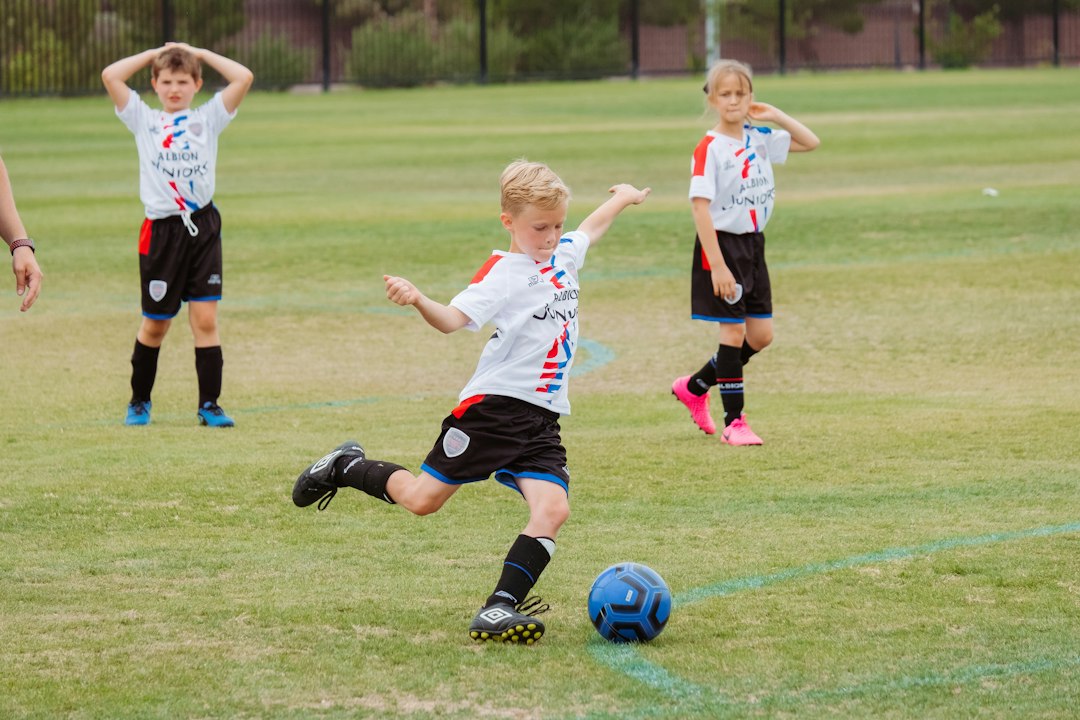
New NFHS figures show 3,654,589 girls played high school sports in 2025-26, up 114,993 from the year before, Youth Sports Business Report noted on September 21. Girls’ flag football accounts for a big share of the growth. It jumped from 15,716 players in 2021-22 to 102,360 in 2025-26. Sponsors are paying attention: Nielsen found that 60% of women’s sports fans have switched brands because of a company’s values.
Leander, Texas Approves $55 Million CenTex Sports Complex
Leander’s city council approved a deal for CenTex Sports to put $55 million into phase 1 of a complex on roughly 40 acres. A full buildout could reach $100 million. Phase 1 includes an indoor facility of more than 150,000 square feet, a covered track, four beach volleyball courts and two soccer fields, according to YSBR’s September 23 report. The Chapter 380 agreement lets the city claw back incentives if construction deadlines slip. Phase 1 has to be finished by the end of 2028.
Nike Drops Out of the S&P 100
Nike was removed from the S&P 100 on September 21 after nearly 18 years on the index. Its market value is down about 78% from its 2021 peak, a drop of more than $200 billion, YSBR reported. Wholesale now makes up 59% of Nike’s revenue. For youth clubs and families, that could change which gear retailers stock and how much promotional support they get.
Chevrolet Driven FC Brings MLS Clinics to Canadian Kids
Chevrolet and MLS brought back Driven FC this week, running free clinics in Toronto, Montreal and Vancouver from September 20-27. Each session holds up to 85 youth players. Players are nominated through local leagues and schools for showing “hustle, heart and grit,” and they train alongside MLS first-team players. The program is part of the push to lower cost barriers for families. Those costs are the reason our tournament packing list focuses on saving money on the road.
Training & Performance Science
Too Much High-Speed Running Slows Players Down the Next Day
A University of Oklahoma study published September 23 in the International Journal of Sports Physiology and Performance tracked elite collegiate women’s soccer players with GPS units and smart rings. The main finding: “for every 100 meters of extra high-speed running, the athletes’ next-day maximum speed decreased by 1 kilometer per hour,” Medical Xpress reported. When training volume rose above a player’s normal level, their sleep and wellness scores also got worse. The takeaway for youth coaches is to judge workload against each player’s own baseline, not a single team-wide number.
One Extra-Long Night of Sleep Cuts Fatigue in Junior Hockey Players
A Université de Montréal study of 22 junior players from the Quebec Remparts (average age 17) was published earlier this month in the Journal of Sleep Research. It found that one night with 10 hours in bed added about 67 minutes of sleep. That single night cut perceived fatigue by 23% and improved reaction time on a demanding 30-minute cognitive task by 8%. Jump height and grip strength didn’t change, so the benefit was mainly to mental endurance. It’s a good argument for protecting sleep the night before a big game.
HYROX Youngstars Brings Scaled Fitness Racing to U.S. Kids
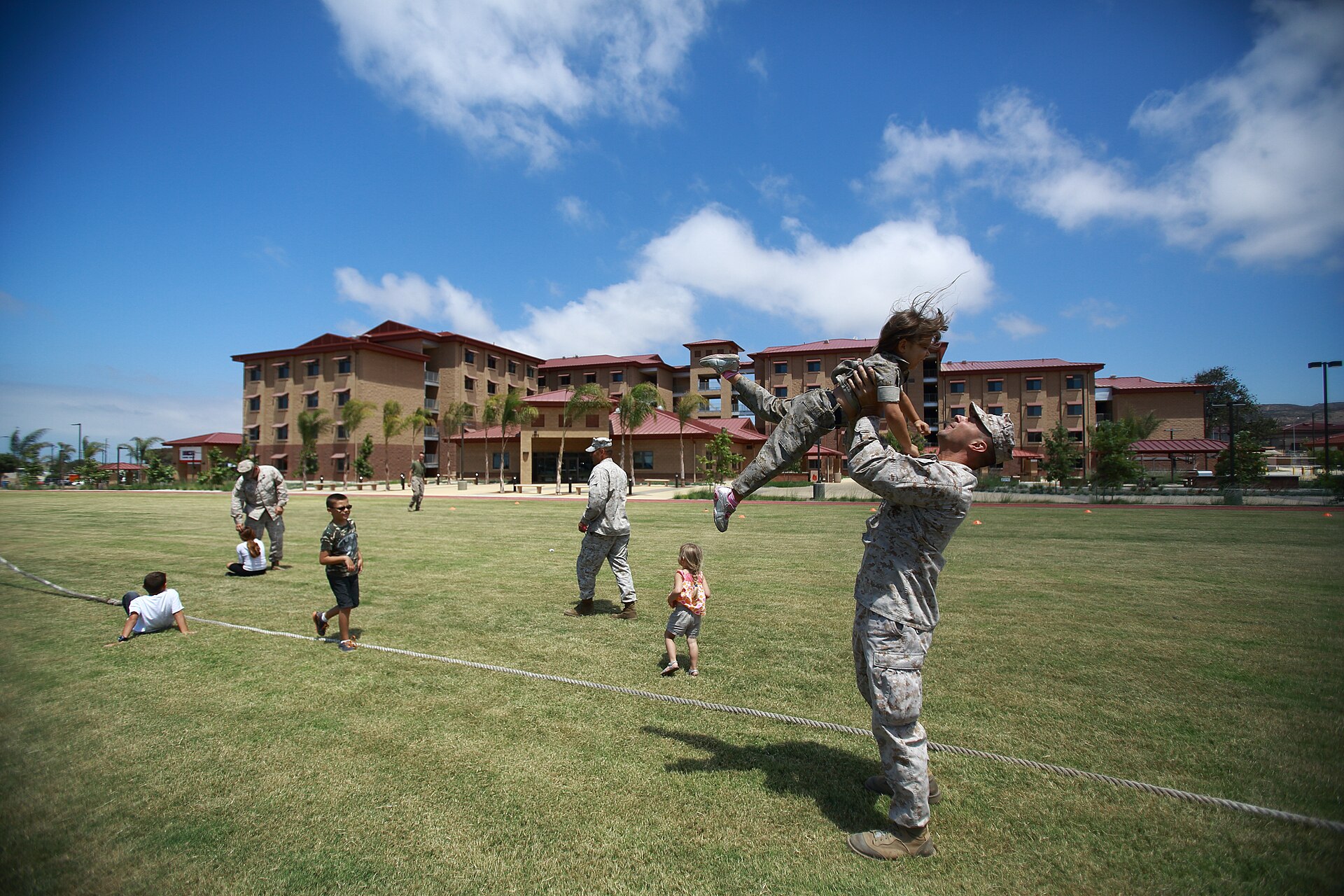
HYROX held its first U.S. Youngstars race in Salt Lake City on September 19-20. About 900 kids ages 8-15 raced alongside roughly 16,000 adults. The courses are scaled by age: the youngest racers (ages 8-9) run about 600-825 meters in total, compared with 8 kilometers for adults, and station loads increase with each age group. More U.S. races are scheduled for Anaheim (December 5-6), Houston and Atlanta. HYROX says the format is “designed for every kid, not just the future sporting stars.”
Sports Tech & Community
Rivals Recruits Charges $499 for Scout Evaluations
On3-owned Rivals launched Rivals Recruits, which lets high school athletes pay $499 (currently $399.99 on sale) to have a Rivals scout evaluate them and consider them for a ranking. Only 0.6% of the 1.04 million high school football players held a Rivals star rating before the launch. The service is aimed at FCS-level and overlooked prospects. CEO Shannon Terry said, “You can pay for an evaluation. You can’t pay for the result.” Parents have raised fairness concerns. It’s another paid layer in the youth sports tech stack, much like the tradeoffs we covered in using TeamSnap and GameChanger for the same team.
Team Travel Source Adds Real-Time Hotel Room Block Data
Team Travel Source handles housing for more than 1,600 youth tournaments a year and books over 1 million room nights annually. On September 24 it released an upgraded dashboard, built with EventPipe, that shows event organizers live room block availability. Public, private and complimentary blocks can now be managed separately, and the dashboard works on mobile. For families, better inventory tracking should mean fewer last-minute scrambles for a hotel on tournament weekends.
AI Role-Play Tools Prepare Administrators for Tough Conversations
A September 24 op-ed in YSBR argues that youth sports staff get plenty of training on scheduling and tactics but very little on handling angry parents, sideline coaches and disputed calls. AI conversation simulators now let administrators rehearse those situations and get scored feedback on how well they de-escalate and how clearly they communicate. If playing-time disputes are your biggest headache, see our guide to managing playing time complaints at every level.
A Parent’s Reminder: Gratitude Should Outgrow the Prompt
A September 25 Youth Inc. column in YSBR looks at the difference between making kids say “thank you” and helping them actually feel thankful to the coaches, officials and volunteers who make youth sports happen. The goal, the writer says, is to gradually stop reminding kids so the appreciation becomes their own. Catch up on last week’s youth sports news in our September 20 roundup.
That’s this week’s youth sports news. Save it and share it with your team group chat before next weekend’s games.
Sources
- Youth Sports Business Report — Women’s Sports Sponsorship Grows as Girls’ Participation Hits Record
- Youth Sports Business Report — Rivals Recruits Charges High School Athletes $499 for Scout Evaluations
- Medical Xpress — Examining How Heavy Training Affects Elite Soccer Athletes
- Medical Xpress — One Good Night’s Sleep Reduces Fatigue in Hockey Players
- Youth Sports Business Report — HYROX Youngstars Brings Fitness Racing to Kids 8 to 15, and to the US
Frequently Asked Questions
What was the biggest youth sports news story this week?
New NFHS data showed a record 3,654,589 girls played high school sports in 2025-26, up nearly 115,000 from the year before. Girls’ flag football drove much of the increase.
What is Rivals Recruits and how much does it cost?
It’s a new Rivals service where high school athletes pay $499 (currently $399.99) to have a scout evaluate them and consider them for a ranking. Paying doesn’t guarantee a star rating.
How does training load affect young athletes’ performance?
A University of Oklahoma study found that every extra 100 meters of high-speed running cut players’ next-day top speed by 1 km/h and also lowered their sleep and wellness scores.
Does extra sleep help teen athletes before competition?
Yes. In a study of 17-year-old hockey players, one 10-hour night in bed cut perceived fatigue by 23% and improved reaction time on a long cognitive task by 8%.
What is HYROX Youngstars?
It’s a fitness race for kids ages 8-15, scaled by age. The first U.S. event drew about 900 kids in Salt Lake City, and more races are planned for Anaheim, Houston and Atlanta.