
You don’t need to quit your job or train like a pro to get seriously good at a sport. What you need is a schedule that fits the hours you actually have, sessions that earn their place on the calendar, and a recovery plan that keeps a 40-hour work week from wrecking your legs before your workout even starts.
This guide breaks down how working athletes structure their week: when to train, how many sessions actually move the needle, how to protect sleep and recovery, and the mistakes that cause most people to flame out by week six.

Quick Answer
Anchor 3-5 training sessions a week around fixed points in your work day (before work, lunch, or immediately after), prioritize the 1-2 sessions per week that build your sport’s core qualities (a long aerobic effort and a hard interval or skill session), and treat sleep and one full rest day as non-negotiable. Consistency over months beats intensity crammed into a few big weekends.
Build a Weekly Schedule That Survives a Real Job
Start by mapping your fixed commitments first — work hours, commute, meals, sleep — then find the gaps, rather than trying to force training into a day that’s already full. Most working athletes land on one of two patterns: early morning sessions before the workday starts, or a session at lunch plus one after work. Morning training tends to be more reliable because it happens before meetings run long or the day throws you a curveball; the tradeoff is it requires an earlier bedtime.
Aim for 3-5 training sessions a week rather than 6-7. Fewer, well-placed sessions that you actually complete beat an ambitious plan you abandon by the third week. Put your two most important sessions — usually a longer aerobic or endurance effort and a harder interval, strength, or skill session — on the days you have the most time and energy, often a weekend morning and one weekday evening. Fill in shorter, easier sessions (20-40 minutes) on tighter weekdays.
Build in one full rest day and treat a missed session as a reschedule, not a failure. A rigid plan that assumes zero disruptions from work will break the first time you have a late meeting or a business trip; a flexible one just moves the workout to tomorrow.
Make Every Session Count
When training time is limited, session selection matters more than volume. General adult activity guidelines call for at least 150 minutes of moderate-intensity activity a week (or 75 minutes of vigorous activity) plus muscle-strengthening work at least twice a week — treat that as a floor, then layer sport-specific work on top rather than trying to do everything.
For most sports, two session types do the heavy lifting: a longer, steady-state aerobic session that builds your endurance base, and a shorter, harder interval or race/game-pace session that builds the specific fitness your sport demands. A 30-45 minute focused interval session on a lunch break can deliver more sport-specific benefit than an hour of easy, unfocused movement.
Combine your commute with training where it’s realistic — cycling or running part of the way to work, or using a gym near the office for a lunchtime strength session — so travel time doesn’t compete with training time.
Keep a simple log of what you did each week. It doesn’t need to be sophisticated; even a note on your phone showing session type, duration, and how you felt makes it obvious when you’re building fitness versus just accumulating fatigue.
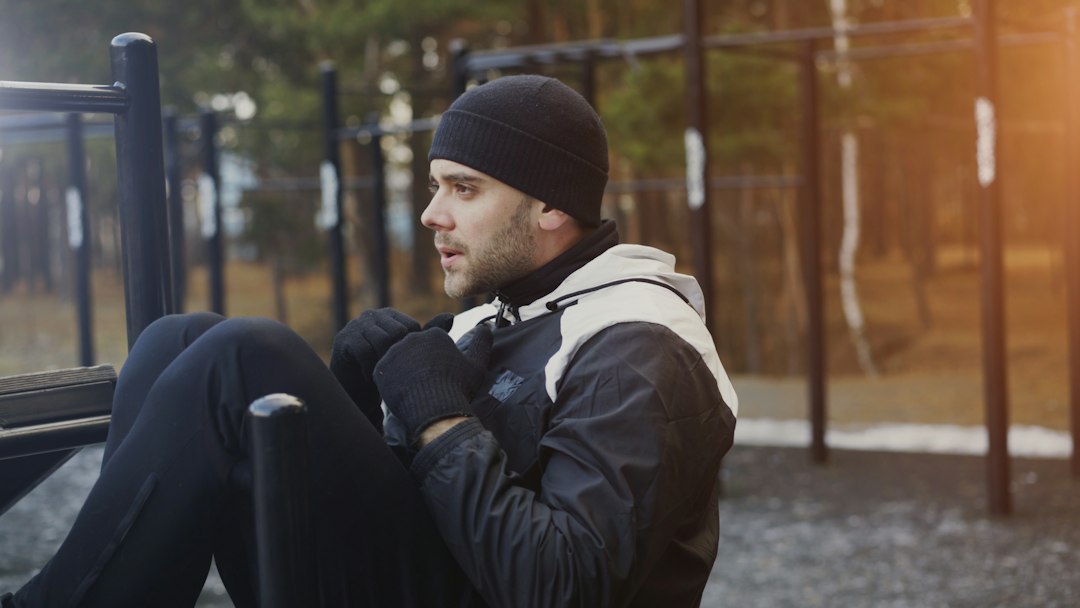
Protect Recovery So Work Doesn’t Undo Your Training
Recovery is where working athletes lose the most ground, because a demanding job adds mental and physical fatigue on top of training load. Sleep is the highest-leverage recovery tool you have — general adult guidance points to 7-8 hours a night, and athletes in heavier training blocks often need more, in the 8-9+ hour range, to support muscle repair and reaction time. If your job makes that hard, protect it on the nights before your hardest sessions first.
Use your easier training days deliberately. Not every session needs to be hard; easy days let your body absorb the work from your key sessions instead of adding more fatigue on top of it. Nutrition and hydration matter more, not less, on days you’re commuting to a desk and then training — a quick meal or snack within an hour or two of training helps you actually perform in the session instead of running on empty.
Watch for the early signs of overreaching: persistent soreness, poor sleep despite being tired, irritability, or workouts that feel harder than they should at an easy effort. That’s a signal to swap a hard session for an easy one or take an extra rest day, not to push through.
Tips / Common Mistakes
Don’t try to replicate a full-time athlete’s schedule on part-time hours — cramming 6-7 sessions into a work week is the fastest route to burnout or injury. Scale the volume to what you can consistently recover from.
Don’t skip the warm-up to save five minutes. Going from a desk straight into a hard effort raises injury risk; even 5-10 minutes of mobility and easy movement pays for itself.
Don’t schedule your hardest session on your latest work night. Match your highest-effort training to the days you’ll actually have energy and sleep for it.
Don’t ignore a support system — a training partner, team, or club adds accountability that’s hard to sustain solo when work gets busy.
Don’t treat missed sessions as proof the plan failed. A realistic plan expects some disruption and builds in flexibility to reschedule rather than guilt you into overtraining to make up for it.
Explore more: Explore more athlete development guides.
Training for a sport while working full time FAQs
How many days a week should I train while working full time?
Most working athletes do well with 3-5 sessions a week: one longer aerobic effort, one harder interval or skill session, and 1-3 shorter supporting sessions, with at least one full rest day.
Is it better to train in the morning or after work?
Morning training tends to be more reliable because it happens before the workday can disrupt it, but the best time is whichever slot you’ll actually stick to consistently — a good after-work session beats a skipped morning one.
How much sleep do I need if I’m training and working full time?
General guidance for adults is 7-8 hours a night, and athletes in heavier training often benefit from closer to 8-9+ hours to support recovery, so it’s worth protecting sleep especially the night before hard sessions.
What if I have to miss a workout because of work?
Reschedule it or let it go rather than trying to cram it in alongside your next session. A flexible plan that expects occasional disruption is more sustainable than a rigid one.
Level Up With SportsSteps
Track your athlete’s progress, connect with coaches and your team, and grow — get the SportsSteps app. Get the SportsSteps App.
Want training tips and sports news in your inbox? Subscribe to the free newsletter.
Photo by Christopher Campbell on Unsplash.