Being fast in a straight line is only half the battle in sports. The athletes who consistently win the ball, beat a defender, or get a glove on a shot are usually the ones who see the play developing and react a fraction of a second sooner than everyone else. That gap is trainable, and it doesn’t require expensive equipment or a sports-science lab.
This guide breaks down how reaction time actually works, the drills that build it at each stage of development, and how to layer in decision-making so the speed shows up in games, not just in cone drills.
Quick Answer
Train reaction time with unpredictable, sport-specific stimuli: reaction ball drops and wall throws for hand-eye speed, light-based or verbal/color cue drills for visual and auditory processing, mirror drills for anticipation, and small-sided games for real decision-making under pressure. Progress from simple, predictable cues to random, game-like ones, and train 2-3 times a week for several weeks to see meaningful carryover.
Build the Foundation: Simple Reaction Drills
Start with drills that isolate the reaction itself before adding decision-making on top. A reaction ball — a small, six-sided ball that bounces unpredictably — is the cheapest and most portable tool for this. Have the athlete drop it from waist height and catch it after one bounce, then progress to overhead drops and wall throws from a few feet away, increasing throw speed or standing closer as they improve. A partner or group circle drill, where players take turns bouncing the ball to the center and racing to catch it, adds a competitive, game-like element.
Light-based systems such as BlazePod or FitLight are a step up: small pods light up in random patterns and the athlete has to tap, step on, or sprint to the lit pod as fast as possible. They’re popular with youth coaches because the companion apps offer preset drills, track times automatically, and let you scale difficulty by adding more pods or increasing the reaction window. If you don’t have access to pods, the same effect can be recreated with a coach calling out colors, numbers, or directions and the athlete responding with a specific movement — cheap, effective, and easy to run with a whole team.
Mirror drills develop anticipation rather than raw reflex. One athlete leads with random shuffles, cuts, and direction changes; a partner mirrors the movement as closely and quickly as possible, then the roles switch. This is especially useful for sports with a defensive component — basketball, soccer, tennis — because it trains the eyes to read hips and center of mass rather than reacting late to the ball or opponent’s feet.
Progress to Game-Speed Decision-Making
Raw reflex drills only get an athlete so far — competition adds choice. A defender doesn’t just react to a ball; they have to decide whether to close down, cover a passing lane, or recover. Once the basics above feel easy, layer in decisions: instead of reacting to one cue, give the athlete two or three options and a rule for choosing between them (for example, sprint to the red pod but freeze on blue, or cut left on one verbal cue and right on another).
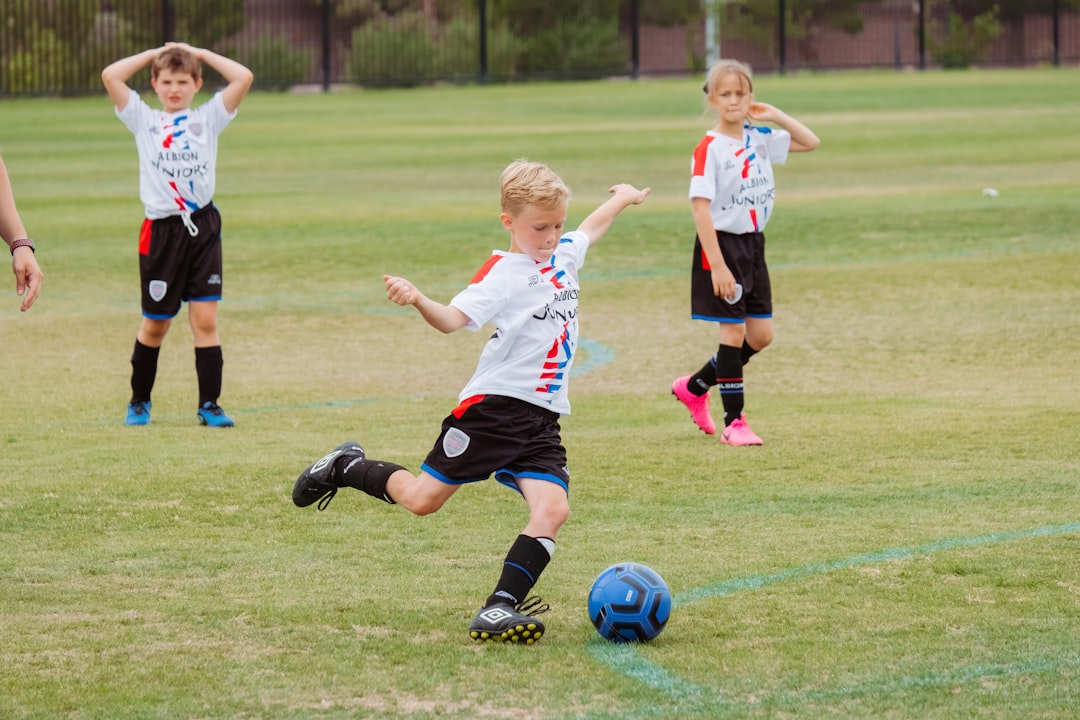
Small-sided games are the best tool for transferring this to the field or court. Shrinking the number of players and the size of the playing area increases how often each athlete touches the ball and forces faster reads, because there’s less time and space to think. For younger kids (roughly ages 6-8), a small area like 15×20 yards with 3v3 works well; older youth athletes (9-12 and up) can handle more space and slightly larger formats like 5v5. Constraints — one-touch passing, no talking, or must-pass-before-shooting rules — push athletes to scan and decide before the ball even arrives, which is exactly the skill reaction drills are trying to build.
On practice structure, it’s worth being careful about what the research actually supports: mixing up cues and drills unpredictably (often called random or varied practice) does show a real edge over repeating the same drill in a fixed pattern (blocked practice) in adult and lab-based studies, but that edge mostly disappears in young athletes and in real sport settings, where the two approaches tend to produce similar results. In practice, that means blocked reps are still a reasonable way to groove a new movement with younger or beginner athletes, and you don’t need to force constant unpredictability for it to “count.” Still, weaving in some varied, game-like cues as skills solidify makes sense simply because it looks more like the game itself, not because it’s guaranteed to speed up learning.
Tips and Common Mistakes
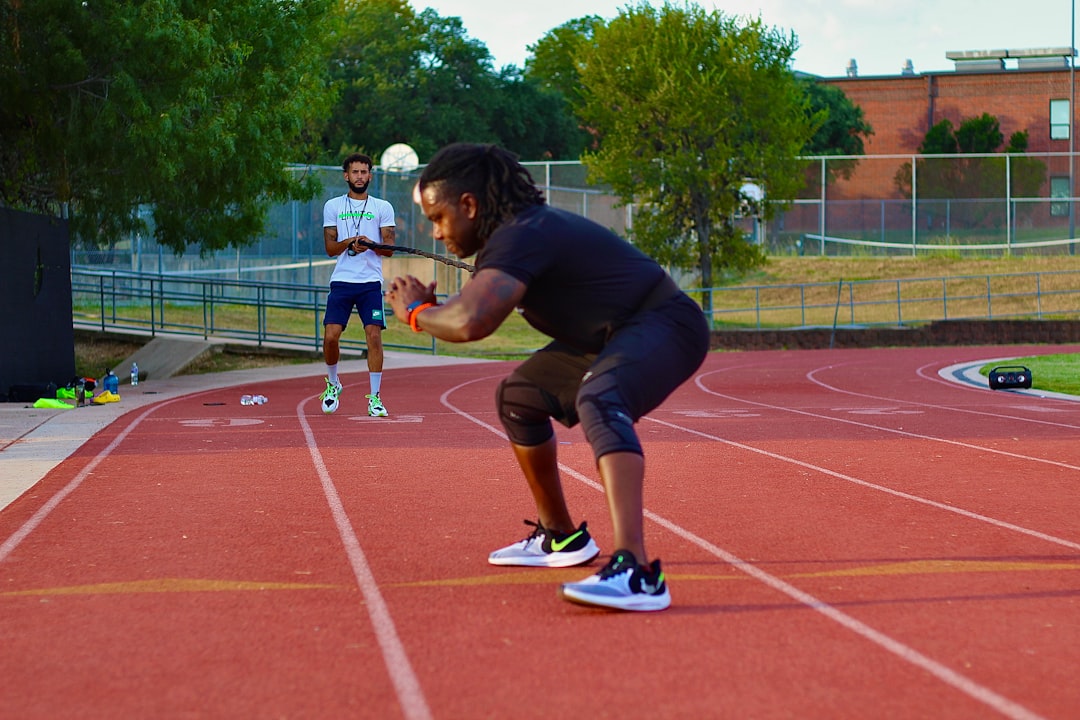
Keep reaction work at the start of practice, when the athlete is fresh — reaction speed and decision quality both drop quickly once fatigue sets in, so save conditioning for after. Sessions don’t need to be long; a few focused minutes of reaction ball or light drills before the main practice is enough, and quality of attention matters more than volume. Vary the cues from time to time — relying on the exact same pattern every session lets athletes memorize the sequence instead of truly reacting, which defeats the purpose. Match the drill to the sport: a goalkeeper needs different visual cues than a point guard, so pull cues from situations that actually show up in the athlete’s games. And resist the urge to rush young or beginner athletes straight into complex, multi-choice drills — nail the simple, single-cue version first so the movement pattern is clean before adding decisions on top.
Explore more: more training and performance drills.
Reaction time training for young athletes FAQs
At what age can kids start reaction time training?
Simple, game-based reaction activities are appropriate as early as 6-8 years old — think catching games and reaction ball tosses. More structured, sport-specific reaction and decision-making drills fit better once athletes reach their early teens, when they can handle more complex cues and rules.
How often should young athletes do reaction drills?
Two to three sessions a week, worked into the start of regular practice, is enough for most youth athletes. Consistency matters more than duration — a few focused minutes each session beats one long session per week.
Do I need special equipment like a reaction ball or light system?
No. A reaction ball or a light-based system like BlazePod makes drills easier to run and measure, but a coach or partner calling out random colors, numbers, or directions can create the same unpredictable-cue training effect at no cost.
Level Up With SportsSteps
Track your athlete’s progress, connect with coaches and your team, and grow — get the SportsSteps app. Get the SportsSteps App.
Want youth sports news in your inbox? Subscribe to the free newsletter.
Photo by Quilia on Unsplash.