
The first practice sets the tone for the entire season. Players are sizing you up, parents are forming their first impressions, and everyone is a little nervous — including you. Nail this one session and you buy yourself weeks of goodwill and buy-in; fumble it and you spend the next month trying to win the room back.
This guide walks through exactly what to prepare beforehand, what to say to players and parents when they arrive, and how to structure the practice itself so it feels organized, welcoming, and fun from the first whistle.
Quick Answer
Arrive early to set up logistics and safety basics, open with brief introductions and a clear statement of your coaching philosophy and expectations, then run a practice built around one or two simple skills, lots of touches or reps, and a fun finish — not a full-scale tryout of everything you plan to teach all season.
Before Practice: What to Set Up
Get to the field, court, or gym at least 20-30 minutes early. Set out any cones, balls, pinnies, or stations you need so you’re not fumbling with equipment while 15 kids stand around waiting — dead time on day one is where you lose attention fastest.
Have a sign-in sheet or roster on a clipboard, along with a way to collect or confirm emergency contact info, medical notes (allergies, asthma, prior injuries), and any required paperwork. If your league requires concussion or background-check documentation, this is the day to chase down stragglers.
Bring a basic first-aid kit and know where the nearest water source is. Write out a simple practice plan on an index card or your phone — even five bullet points keeps you from losing the thread once 20 kids are talking at once.
If you can, recruit one parent as a ‘team parent’ before this practice even starts. Having someone to handle the group chat, snack schedule, or last-minute weather updates frees you to focus on coaching.
What to Say: Opening the First Practice
Start with a short team huddle. Introduce yourself, say a bit about your background and why you coach, and learn what each player prefers to be called — use those names right away, especially the first time you give feedback.
State your coaching philosophy in plain terms: what you value most this season (effort, teamwork, skill development, fun — whatever it is), and two or three concrete behavior expectations, like being on time, hustling between drills, and encouraging teammates instead of criticizing them. Keep it to a few sentences; a long speech loses a group of kids fast.
If parents are dropping off rather than staying, hand out or post a one-page schedule with practice days, game dates, and your contact info. Many coaches also hold a short separate parent meeting — either right before or shortly after the first practice — to cover logistics, a 24-hour rule for concerns (wait a day before raising an issue so emotions cool off), and how you’ll communicate during the season.

How to Structure the Practice Itself
Resist the urge to introduce everything you know in one session. Pick one or two focus areas — a fundamental like passing, dribbling, or a basic stance — and build the whole practice around it: a quick teaching demo, a simple drill to practice it, then a lead-up game or light scrimmage that lets players use the skill in a more game-like setting.
Favor activities with a lot of individual touches or reps over long lines where kids wait their turns. Small groups and stations keep everyone moving and engaged, and give you a much better first look at who needs extra attention.
End with something players will want to come back for — a fun game, a scrimmage, or a quick competitive challenge. Close with a short huddle: recap one thing they did well, remind them of the next practice date, and send them off on a positive note.
Tips / Common Mistakes
Don’t over-plan. A first practice with too many drills crammed in usually falls apart because transitions eat up more time than expected — build in buffer and be ready to cut a station short.
Don’t skip the names. Nothing builds trust faster on day one than a coach who already knows what to call each kid.
Don’t make the whole practice a lecture. A two-minute opening talk is plenty; players want to move, not sit and listen.
Don’t ignore the parents. A short, clear message about expectations and communication up front heads off most misunderstandings before they start — and lets parents know their job is to cheer, not coach from the sideline.
Don’t forget to have fun yourself. Your energy on day one is contagious in both directions.
Explore more: more coaching guides and practice-planning tips.
First practice of the season FAQs
How long should the first practice of the season be?
Keep it close to your normal practice length, or slightly shorter for younger age groups. The goal is a positive, well-paced first impression, not cramming in extra time to make up for a late season start.
Should I hold a separate parent meeting or fold it into the first practice?
Either works. Some coaches hold a short standalone parent meeting before the season starts; others cover the basics — schedule, expectations, contact info — in the first few minutes while players warm up or right after practice ends.
What if I don’t know any of the players yet?
Use a quick name game or have players introduce themselves and share one fun fact during the opening huddle. Repeating names back to players as you use them during drills helps them stick fast.
Level Up With SportsSteps
Track your athlete’s progress, connect with coaches and your team, and grow — get the SportsSteps app. Get the SportsSteps App.
Want youth sports news in your inbox? Subscribe to the free newsletter.
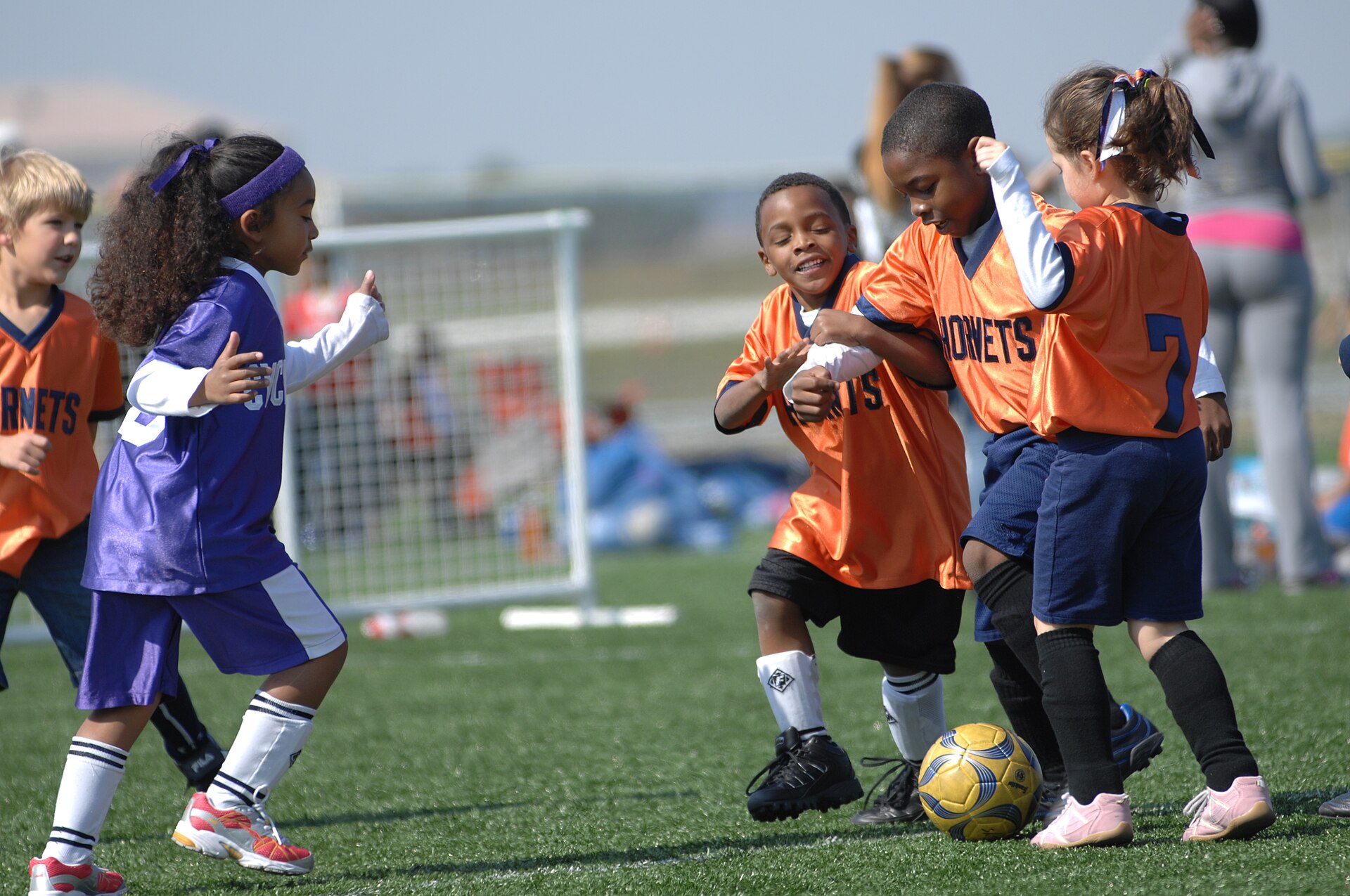
Photo: U.S. Space Force 21SW by Senior Airman Rose Gudex / Public domain, via Wikimedia Commons.