
Every youth sports parent has heard the postgame speech about “good sportsmanship” — and every kid has tuned it out by the second sentence. Lectures rarely change how a nine-year-old acts when they strike out with the bases loaded or watch a ref make a bad call. What actually works is modeling, repetition, and a handful of specific habits built into practice and game day.
This guide skips the generic pep talk and gets into what parents and coaches can actually do — before, during, and after games — to help kids handle winning, losing, and everything in between with some grace.
Quick Answer
Kids learn sportsmanship by watching adults model it and by practicing specific behaviors repeatedly — shaking hands and meaning it, controlling reactions to bad calls, and cheering for teammates instead of criticizing them. Consistent modeling from parents and coaches matters far more than any single talk about “being a good sport.”
Model It Before You Teach It
Kids copy the adults around them more than they follow instructions from them. If a parent yells at the referee from the sideline or a coach argues every close call, no postgame speech about respect will undo that example. The most reliable first step is simply checking your own behavior in the stands: no coaching from the sideline, no arguing calls, no visible frustration when a kid makes a mistake.
The same goes right after the final whistle. Kids look to parents for cues on how to react to wins and losses. If you handle a tough loss calmly and celebrate a win without gloating, that’s the behavior that sticks — far more than anything said out loud.
Build Sportsmanship Habits Into Every Game
The Positive Coaching Alliance, a nonprofit that trains youth coaches nationwide, teaches a simple framework called ROOTS — respect for Rules, Opponents, Officials, Teammates, and Self. It’s a useful mental checklist for parents and coaches alike, and it translates into concrete, repeatable habits rather than abstract values.
Make the postgame handshake line non-negotiable, and coach kids on what it actually means: eye contact, a real handshake, and “good game” said like they mean it — not muttered while looking at the ground. This applies to shaking hands with the opposing team, their own coach, and the officials.
Praise effort and behavior, not just outcomes. When a kid hustles back on defense, encourages a struggling teammate, or accepts a bad call without arguing, name it specifically in the moment (“I saw you help him up after that play — that’s exactly the kind of teammate to be”). Kids repeat what gets noticed.
Give kids space after the game before talking about it. Let them come to you rather than opening with analysis of what went wrong. A simple “I loved watching you play” goes further than a breakdown of missed shots, win or lose.
Practice losing on purpose in low-stakes settings — a board game at home, a pickup game in the backyard — and narrate your own reaction out loud (“That stung, but good game, you earned that one”). Kids need repeated, low-pressure reps at losing well before it happens in front of a crowd.

Tips and Common Mistakes
Avoid dismissive phrases like “it’s just a game” or “you’ll get them next time” right after a tough loss — they’re well-intentioned but can feel like the frustration isn’t being taken seriously. Better to acknowledge the disappointment first, then move on.
Don’t tie a kid’s worth to the scoreboard. Kids build genuine sportsmanship more easily when winning isn’t treated as the only thing that matters — celebrate hustle, improvement, and attitude alongside results.
Don’t wait for a blowup to talk about sportsmanship. Set expectations before the season starts (how to handle a bad call, how to act after a loss) rather than trying to correct behavior in the heat of the moment.
Watch how you talk about officials and opposing coaches at the dinner table, not just at the field. Kids absorb offhand comments made at home just as much as sideline behavior.
Explore more: more youth sports parenting guides.
Teaching Kids Good Sportsmanship FAQs
At what age should kids start learning sportsmanship in sports?
As soon as they start playing organized sports, even at 4-6 years old in rec leagues. Young kids won’t grasp abstract concepts like “integrity,” but they can absolutely learn concrete habits like shaking hands, taking turns, and saying “good game” — and those habits build the foundation for more nuanced sportsmanship later.
How do I handle my kid being a poor loser?
Stay calm yourself first, since kids mirror adult reactions. Acknowledge the disappointment without dismissing it, avoid immediately problem-solving or critiquing the game, and give them space before discussing it further. Practicing losing in low-stakes settings at home also helps build the habit over time.
What is the ROOTS framework in youth sports?
ROOTS is a framework used by the Positive Coaching Alliance that stands for respecting Rules, Opponents, Officials, Teammates, and Self. It’s used to teach coaches, parents, and athletes what “honoring the game” looks like in practical terms.
Should coaches make kids shake hands after a loss?
Yes — the postgame handshake line is a standard, low-effort ritual that reinforces respect for opponents regardless of outcome. Coaches should reinforce that it means eye contact and genuine acknowledgment, not a rushed formality.
Level Up With SportsSteps
Track your athlete’s progress, connect with coaches and your team, and grow — get the SportsSteps app. Get the SportsSteps App.
Want youth sports news in your inbox? Subscribe to the free newsletter.
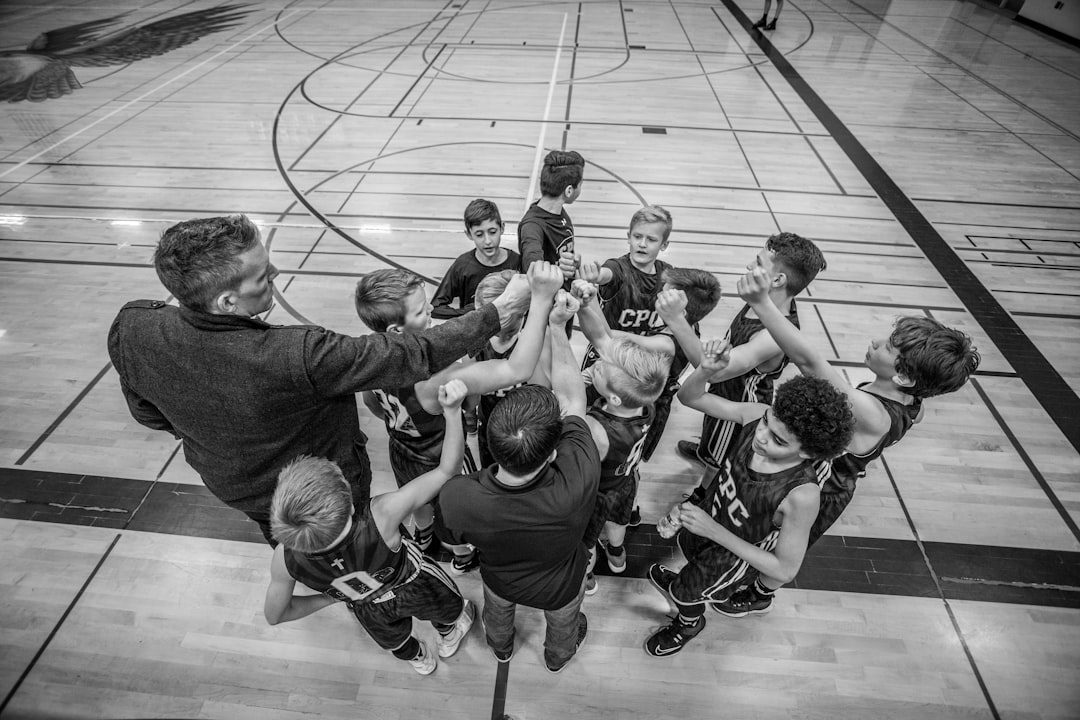
Photo by jesse orrico on Unsplash.