
Sooner or later, a parent is going to corner you about their kid’s playing time. It usually happens at the worst moment: right after a loss, in the parking lot, while you’re juggling equipment bags and trying to get to your car. How you handle that first thirty seconds sets the tone for the rest of the season.
This guide gives you a plan you can actually use: how to head off complaints before they start, word-for-word scripts for the conversation itself, and how to close it out so the same issue doesn’t come back every week.
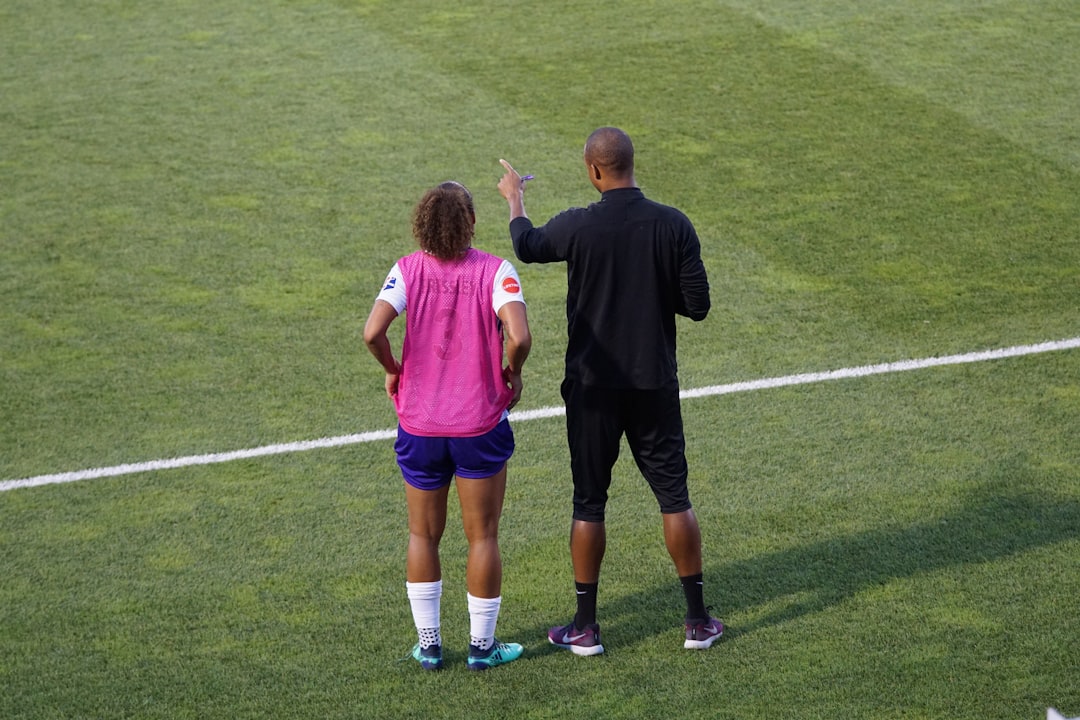
Quick Answer
Don’t discuss playing time in the heat of the moment. Set a clear policy before the season starts, redirect in-the-moment complaints to a scheduled conversation (many programs use a 24-hour cooling-off window), and when you do talk, lead with the team’s/player’s development goals, not a defense of your decisions.
Prevent Most Complaints Before They Happen
Most playing time blowups come from a mismatch between what a parent expected and what actually happens on the field. Close that gap at your preseason parent meeting. Tell parents plainly what your philosophy is: whether this is a house-league team where everyone gets roughly equal minutes, a travel or competitive team where playing time is earned and can vary game to game, or something in between. Say it out loud and, if your league has a written policy, hand out or link to it so there’s no ambiguity later.
Also set the rule for how complaints get raised. A simple, widely used standard in youth sports is a 24-hour rule: no coach conversations about playing time immediately after a game or practice, win or lose. This isn’t about avoiding parents — it’s about making sure the conversation happens when everyone can think clearly instead of react. Say this at the parent meeting: ‘If you ever have a concern about your child’s playing time, give it 24 hours, then email or call me to set up a time to talk. I won’t discuss it in the parking lot or between games.’
Where possible, loop the player in early. Encourage kids to ask you directly what they can work on to earn more minutes. That habit does two things: it gives the player ownership of the issue, and it means fewer complaints arrive secondhand through a parent who’s only heard one side of it.
Exact Scripts for the Conversation
When a parent approaches you in the moment (before the scheduled talk): ‘I hear you, and I want to give this the attention it deserves. Let’s set up a time this week to talk it through — right now isn’t the right moment for either of us.’ Then actually follow up and schedule it. Failing to follow through is what turns a policy into an excuse.
To open the actual conversation: ‘Thanks for taking the time. Before I explain my thinking, I’d like to hear what you’re seeing and what you’re hoping for.’ Let them talk first, without interrupting. Most parents calm down considerably once they feel heard.
To explain your decisions without getting defensive: ‘Here’s what I’m weighing when I set the lineup — [effort in practice, position needs, game situation, development stage]. Right now here’s where [player] stands on that, and here’s specifically what would move the needle.’ Keep it about criteria and next steps, not a comparison to other kids on the roster — never discuss another player’s ability or effort with a parent.
If the parent pushes on fairness: ‘I understand it doesn’t feel fair from where you’re sitting. My job is to make the call that’s best for the team and for [player]’s development, and I’ll always be straight with you about why.’ You’re not trying to win the argument — you’re trying to be consistent and clear.
To close: ‘Here’s what I’d like [player] to focus on before our next check-in. Let’s touch base again in [two/three] weeks so you can see the progress too.’ Ending with a concrete plan, rather than just an explanation, is what makes parents feel like the conversation actually accomplished something.
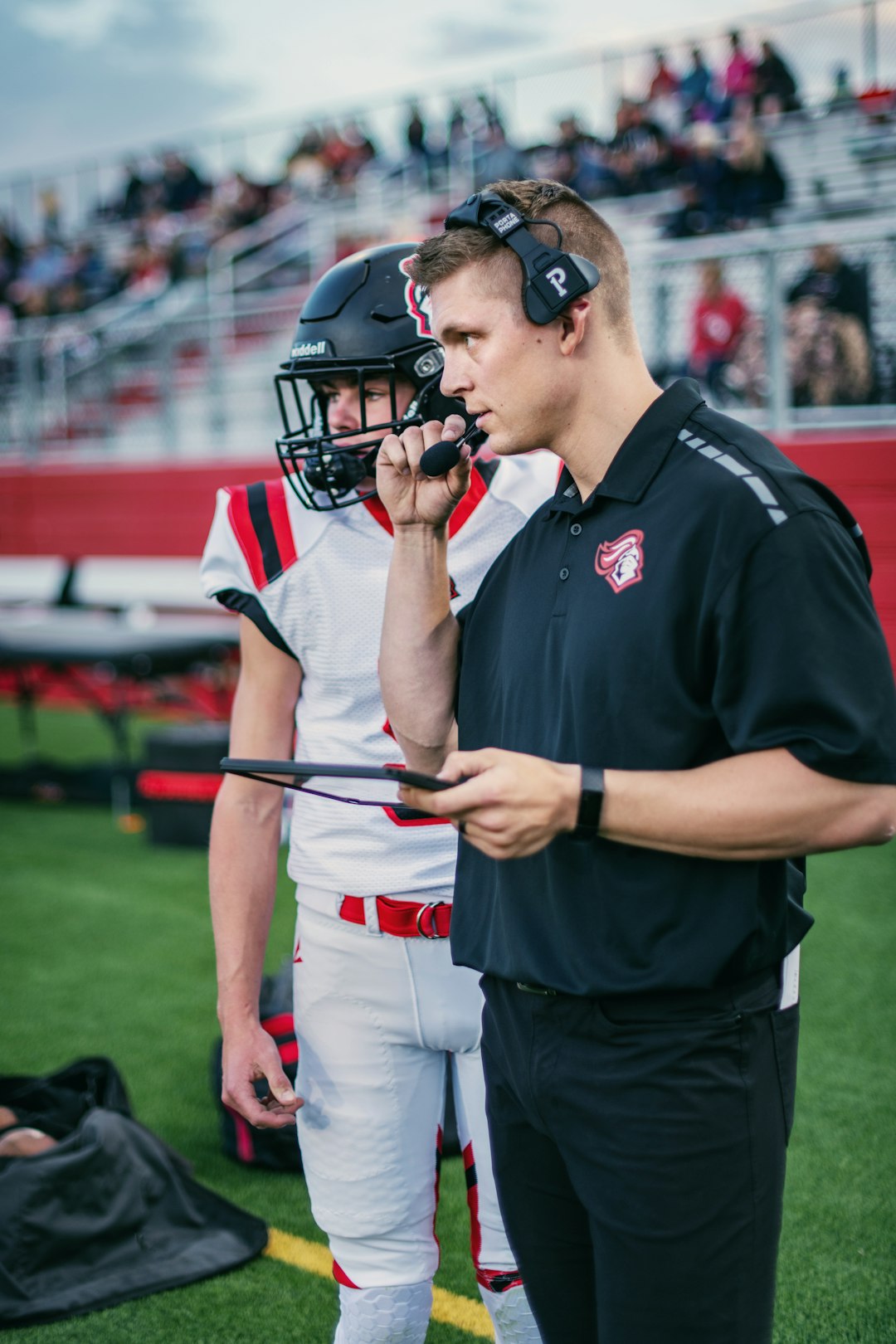
Tips and Common Mistakes
Pick the right time and place. Never have this conversation within earshot of other players, other parents, or the athlete unless you’ve deliberately chosen to include them. A rushed hallway conversation almost always goes worse than a scheduled fifteen minutes.
Don’t promise a specific number of minutes. Even a well-intentioned ‘I’ll get him more time next game’ can box you into a bad coaching decision and erodes trust the moment circumstances change.
Write down what you agreed to, even briefly. A short follow-up email (‘Great talking today — here’s what we discussed and the plan for the next few weeks’) protects you if the same complaint resurfaces and shows the parent you took it seriously.
Stay consistent across the roster. Parents talk to each other. If your stated philosophy doesn’t match what they see happening on the field, no script will fix that — the credibility problem comes first.
Know when to loop in someone above you. If a conversation isn’t de-escalating, or a parent becomes hostile or repeatedly disregards your boundaries, it’s reasonable to involve your athletic director or league coordinator rather than absorbing it alone.
Explore more: more youth sports coaching guides.
Handling playing time complaints FAQs
What if a parent won’t wait for a scheduled conversation and keeps pressing me right after the game?
Stay calm and repeat the boundary once: ‘I want to give this a real conversation, not a rushed one — let’s talk on [day].’ If they continue, politely end the interaction and follow up in writing to set the meeting time.
Should I explain playing time decisions in detail, or keep it vague?
Be specific about your own criteria and the player’s development, but never compare one player to another by name. Vague answers tend to fuel more suspicion, not less.
What if the parent is right and the complaint is fair?
Say so. ‘You raise a fair point, let me think about how I’m handling this’ builds more trust than defending every decision, and it’s fine to adjust your approach going forward without treating it as a defeat.
Level Up With SportsSteps
Track your athlete’s progress, connect with coaches and your team, and grow — get the SportsSteps app. Get the SportsSteps App.
Want youth sports news in your inbox? Subscribe to the free newsletter.
Photo by Jeffrey F Lin on Unsplash.