Most kids don’t need more reps in one sport — they need a bigger toolbox of movement skills. Running, jumping, balancing, throwing, and changing direction well are the raw materials every sport is built from, and drilling them outside the context of a single game is one of the most effective things a young athlete can do between seasons.
This guide breaks down the movement categories that matter most, gives you specific drills you can run in a driveway or gym with minimal equipment, and flags the mistakes that waste practice time or raise injury risk.
Quick Answer
The best multi-sport training for youth athletes targets three buckets: locomotor skills (running, jumping, hopping, change of direction), object-control skills (throwing, catching, striking), and stability/balance skills. Two to three short sessions a week, mixing agility ladder or cone work with jumping/landing drills and a simple balance or core routine, builds a foundation that carries over to any sport the athlete plays next.
Why General Movement Skills Beat Early Specialization
Sports scientists refer to fundamental movement skills — running, jumping, hopping, throwing, catching, striking, balancing — as the building blocks every complex sport skill is layered onto. A kid who can decelerate, change direction, and land safely is better equipped to pick up soccer, basketball, or lacrosse footwork than a kid who has only ever practiced one sport’s specific patterns.
This is also reflected in long-term athletic development (LTAD) frameworks used by national sport organizations, which place heavy emphasis on agility, balance, and coordination training during the pre-teen years — often called a ‘golden window’ because the nervous system is especially responsive to this kind of skill learning at that age. Training general athleticism now doesn’t compete with a child’s primary sport; it makes them better at it, and it keeps the door open if they want to switch or add sports later.
Core Drills by Skill Category
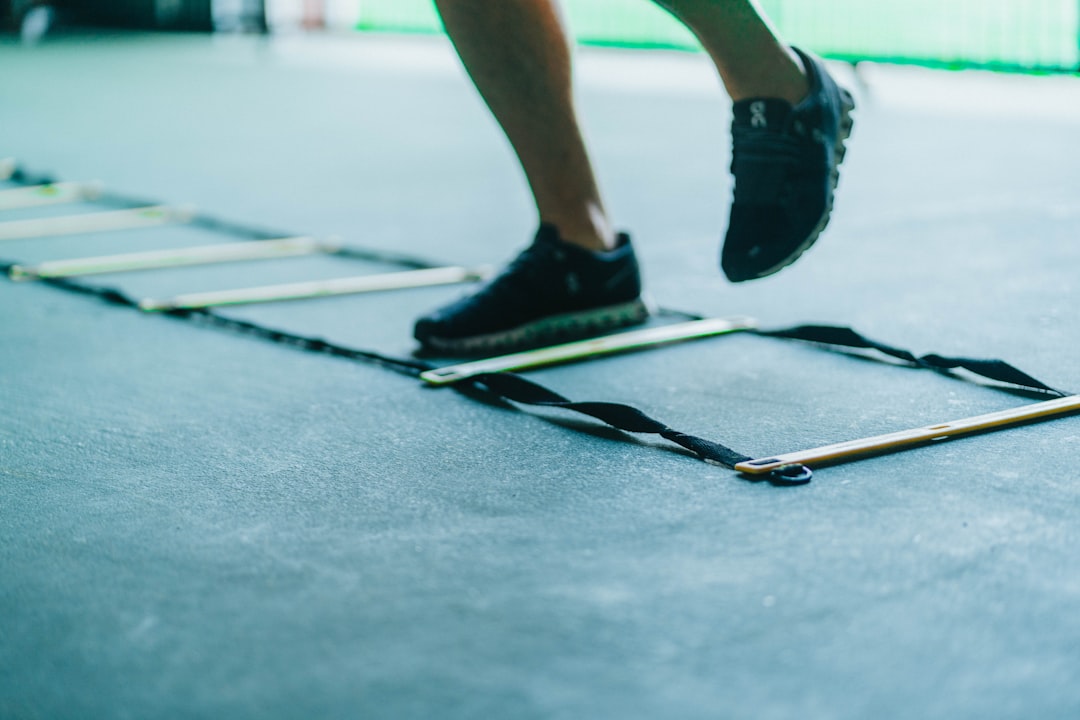
Agility and change of direction: Set up a 5- or 10-yard agility ladder or a row of cones and run simple in-out, lateral shuffle, and crossover-step patterns. Follow with 5-10-5 shuttle runs (sprint 5 yards, cut back 10 yards the other direction, sprint back 5 yards) to train acceleration, deceleration, and directional cuts — the same mechanics used in cutting sports like soccer, basketball, and football.
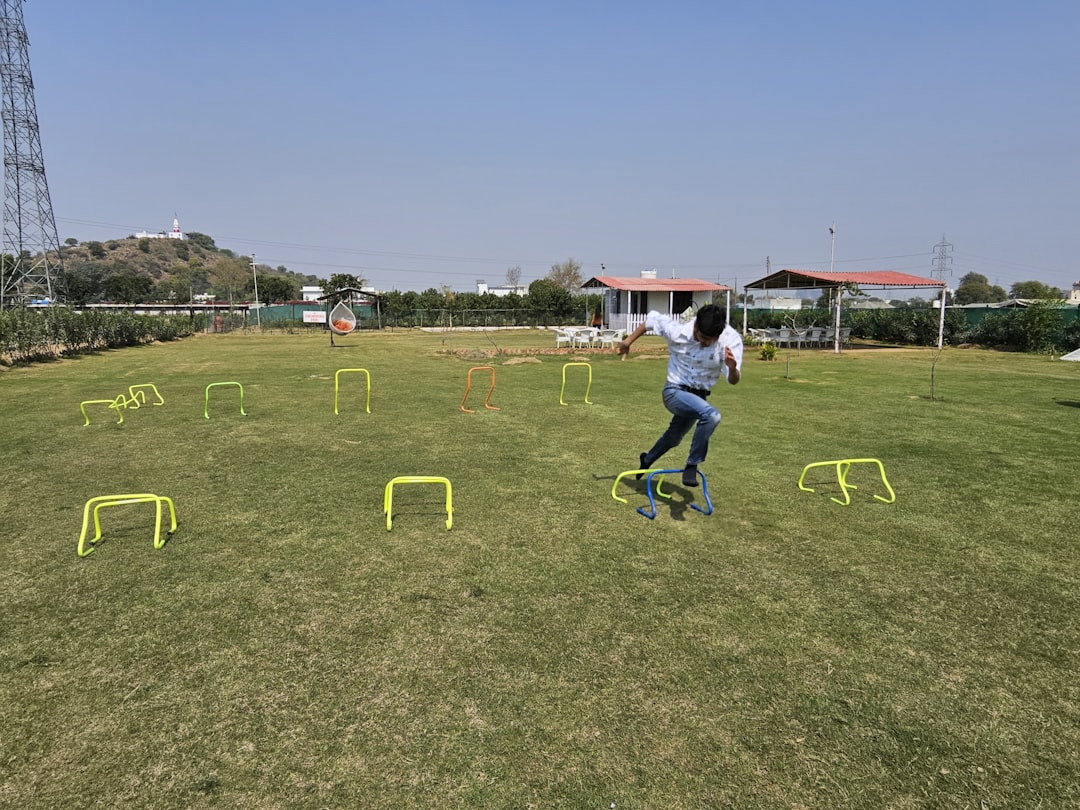
Jumping and landing: Box jumps, broad jumps, and single-leg hops teach power production, but the landing mechanics matter just as much as the jump. Cue athletes to land softly with bent knees tracking over their toes (not caving inward) and a stable core — this is the same landing pattern used in evidence-based ACL injury prevention warm-ups adopted by youth soccer, basketball, and lacrosse programs.
Throwing, catching, and striking: Rotate through different implements — a tennis ball, a foam football, a soft medicine ball — for throwing and catching drills. Wall-ball catches, partner toss-and-catch with a slight lead, and simple striking drills (batting a ball off a tee, or paddle/racquet rallies) build hand-eye coordination and rotational power that transfer across baseball, tennis, volleyball, and more.
Balance and body control: Single-leg balance holds, bear crawls, crab walks, and animal-movement circuits (bear crawl to crab walk to lateral bound) build the core and shoulder stability that underlie almost every athletic movement. These also double as a low-impact way to fill a 10-minute warm-up before any sport practice.
Sample Weekly Structure
For a young athlete training outside their regular sport practices, two to three 30-45 minute sessions a week is plenty. A simple structure: 5-10 minutes of dynamic warm-up (jogging, high knees, lateral shuffles), 10-15 minutes of agility/change-of-direction work, 10-15 minutes of jumping/landing or throwing/catching drills, and a short balance or core finisher. Keep intensity high but total volume low — the goal is quality movement, not fatigue, and kids should still have plenty of energy left for unstructured play and their primary sport.
Tips and Common Mistakes
Prioritize form before speed — a fast but sloppy cut or a stiff-kneed landing builds bad habits and raises injury risk; slow drills down until the movement pattern is clean, then add speed. Avoid year-round single-sport specialization before the early teen years; rotating sports and general athletic training reduces overuse injuries and burnout while still building the same underlying skills. Keep sessions short and varied — kids’ attention and motivation hold up much better with game-like drills (relay races, obstacle courses) than repetitive isolated reps. And don’t skip the warm-up: a few minutes of dynamic movement and balance work before any practice or game meaningfully lowers injury risk, especially for jumping and cutting sports.
Explore more: More training and performance guides.
Multi-sport training for youth athletes FAQs
What age should kids start multi-sport training drills?
Basic fundamental movement drills (running, jumping, throwing, balancing) can start as early as ages 6-9 in a fun, game-based format. More structured agility and change-of-direction training is typically introduced around ages 9-12, when coordination development accelerates.
How often should young athletes do these drills?
Two to three short sessions per week is enough for most youth athletes, especially when layered on top of regular sport practice. The emphasis should be on movement quality over volume.
Do multi-sport drills help prevent injuries?
Yes. Drills that train jumping and landing mechanics, balance, and deceleration are core components of neuromuscular warm-up programs shown to reduce ACL and other lower-body injuries in youth athletes, particularly in cutting and jumping sports.
What equipment do I need to start?
Very little. An agility ladder and a set of cones cover most agility work, and a tennis ball or foam ball covers throwing and catching drills. Bodyweight movements like bear crawls, single-leg balances, and broad jumps require no equipment at all.
Level Up With SportsSteps
Track your athlete’s progress, connect with coaches and your team, and grow — get the SportsSteps app. Get the SportsSteps App.
Want youth sports news in your inbox? Subscribe to the free newsletter.
Photo by Hermes Rivera on Unsplash.