
Teen athletes chase gains in the weight room, on the field, and in practice — but the biggest performance lever is often the one nobody’s coaching: sleep. Between early school start times, late practices, homework, and phones, most young athletes are running a serious sleep deficit without realizing how much it’s costing them.
This guide breaks down exactly how much sleep teen athletes need, why sleep is where the actual physical adaptation and injury protection happens, and the specific habits that help busy student-athletes get more of it — even during a packed season.
Quick Answer
Teen athletes (ages 13-18) need 8 to 10 hours of sleep per night as a baseline, and often more during heavy training blocks, two-a-days, or growth spurts. Sleep is when muscles repair, growth hormone is released, skills learned in practice get locked in, and the nervous system resets — skimping on it directly raises injury risk and slows performance gains.
How Much Sleep Do Teen Athletes Actually Need?
The American Academy of Sleep Medicine and the American Academy of Pediatrics both recommend 8-10 hours of sleep per 24 hours for teenagers. Research on adolescent athletes suggests that number is a floor, not a target — athletes in hard training generally need sleep at the higher end of that range, and some sport-science reviews argue standard teen recommendations may still undersell what a competing athlete needs to fully recover.
In practice, most adolescent athletes fall well short of this. Studies on adolescent athletes have found average nightly sleep closer to six hours on school nights — a multi-hour gap between what the body needs and what it’s getting, night after night, for an entire season.
Part of the problem is biological, not just a scheduling issue: puberty shifts teens’ circadian rhythm later, making it genuinely harder to fall asleep early even when practice or school starts at the same time it always has. That’s worth knowing so ‘just go to bed earlier’ isn’t treated as a simple willpower fix — the body’s clock is working against an early bedtime.
Why Sleep Is Recovery’s Secret Weapon
Sleep isn’t downtime — it’s an active part of the training process. Deep sleep stages are when the body releases the growth hormone responsible for repairing muscle tissue and building bone; skipping sleep means skipping a chunk of the actual adaptation that training is supposed to trigger. Sleep also supports immune function, which matters for staying healthy through a long season, and it’s tied to reaction time, decision-making, and focus — all things that show up directly on the field or court.
The injury link is one of the clearest findings in youth sports research. A widely cited study of adolescent athletes found that those averaging 8 or more hours of sleep on weeknights were substantially less likely to sustain an injury than those sleeping less, and separate research has connected chronically short sleep (six hours or less) with a higher rate of fatigue-related injuries. For a teen balancing school, sport, and a social life, sleep is one of the few recovery tools that’s free and fully within their control.

Tips and Common Mistakes
Keep a consistent sleep and wake time, including weekends — a schedule that swings by more than an hour or two on Saturday and Sunday (often called social jet lag) makes Monday morning feel like jet lag, because it basically is. Build a wind-down routine and get off screens roughly 60 minutes before bed; blue light and stimulating content both delay the brain’s release of melatonin.
Keep the bedroom cool, dark, and quiet — a room in the roughly 60-67°F range is generally easiest to fall and stay asleep in. Avoid intense training or competition within one to two hours of bedtime, since a spiked heart rate and adrenaline make it harder to wind down. If a nap is needed after a tough practice, keep it to 20-90 minutes and finish before mid-afternoon; a long or late nap can eat into nighttime sleep instead of adding to it.
The most common mistakes: treating sleep as the first thing to sacrifice when homework or a late game runs long; relying on energy drinks or pre-workout to paper over chronic short sleep instead of fixing the actual problem; and only prioritizing sleep the night before a big game while ignoring the sleep debt that builds up over weeks of a season. Recovery is cumulative — one good night doesn’t undo two weeks of five-hour nights.
Explore more: more training and performance guides.
Sleep and recovery for teen athletes FAQs
How many hours of sleep does a teen athlete need?
At least 8-10 hours per night, per American Academy of Pediatrics and American Academy of Sleep Medicine guidelines. Athletes in heavy training blocks or growth spurts often need sleep at the higher end of that range or slightly more.
Do naps actually help athletic recovery?
Yes, when timed well. A nap of roughly 20-90 minutes taken before mid-afternoon can boost alertness and recovery without disrupting nighttime sleep. Long or late-day naps can backfire by making it harder to fall asleep at bedtime.
Does poor sleep really increase injury risk in young athletes?
Research on adolescent athletes has repeatedly linked short, inconsistent sleep to higher rates of injury, including fatigue-related and overuse injuries, likely because tired muscles, slower reaction time, and impaired judgment all raise risk during practice and competition.
Level Up With SportsSteps
Track your athlete’s progress, connect with coaches and your team, and grow — get the SportsSteps app. Get the SportsSteps App.
Want youth sports news in your inbox? Subscribe to the free newsletter.
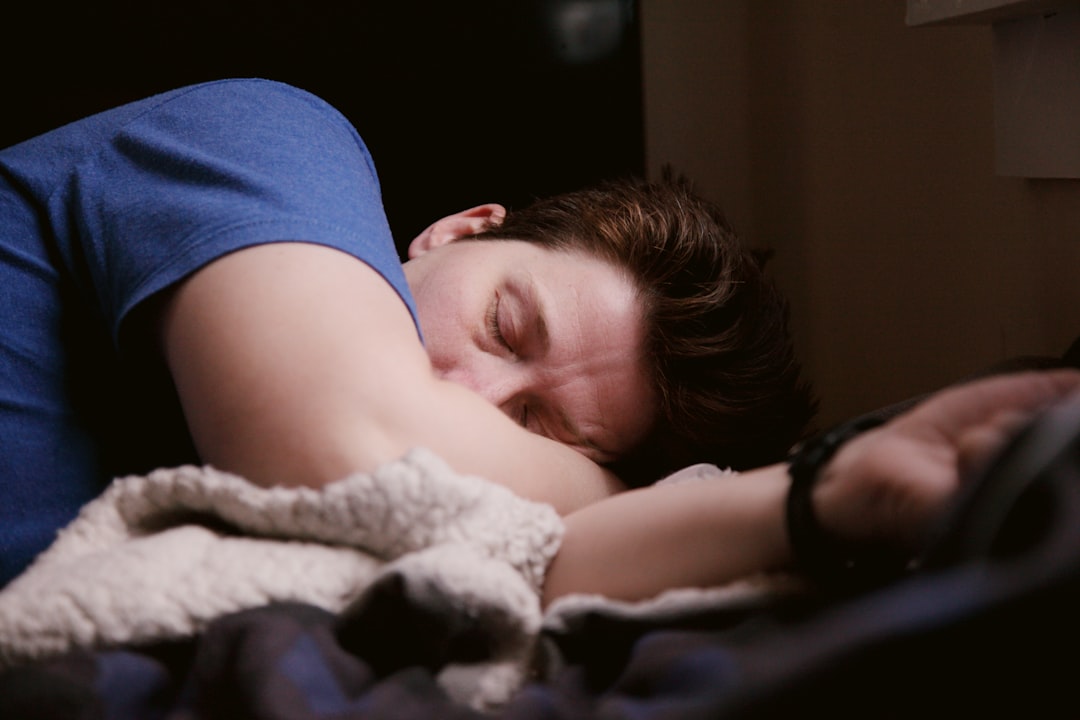
Photo by Shane on Unsplash.