
Tryout day can feel like the biggest day of the season for both kids and parents — nerves run high, expectations creep in, and it’s easy to overthink what actually matters. The good news is that most of what helps a child perform well at tryouts has nothing to do with raw talent and everything to do with preparation you can control.
This guide breaks down what coaches actually watch for, how to help your child build skills and confidence in the weeks before tryouts, and how to support them on the day itself — plus how to handle the outcome, whatever it is.
Quick Answer
Start preparing two to three weeks ahead with light skill practice and conditioning, make sure your child is well-rested, hydrated, and fed heading into tryout day, and focus conversations on effort and attitude rather than making the team. Coaches consistently say they’re watching hustle, coachability, and how a player responds to mistakes more than raw skill.
Physical and Skill Preparation
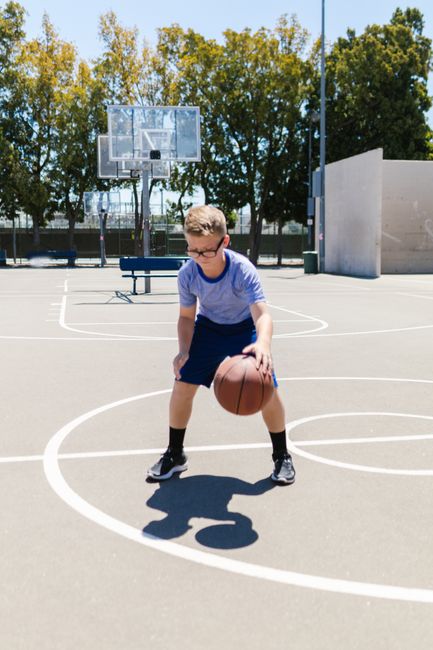
Give your child a two-to-three week runway before tryouts rather than cramming the week before. A few short sessions a week focused on the fundamentals of their sport — ball control and first touch in soccer, dribbling and shooting in basketball, fielding and throwing accuracy in baseball — builds real confidence without burning them out. Light conditioning work also matters: coaches often notice which players are still hustling in the last few minutes of a drill versus those who fade early, so building a baseline of fitness pays off.
In the final few days, shift from skill-building to recovery. Prioritize sleep, regular meals, and water over squeezing in one more practice session. A rested, well-fed kid moves faster and thinks more clearly than one who trained hard the night before but showed up exhausted.
What Coaches Are Actually Watching For
It’s worth telling your child directly: coaches are rarely looking for who’s the most talented player in the gym or on the field. They’re watching for effort that doesn’t drop off, how a player moves and communicates without the ball, whether they take coaching corrections well, and — maybe most importantly — how they react after a mistake. A player who shakes off a missed shot or a bad pass and keeps competing stands out far more than one who’s technically clean but checks out mentally after an error.
This is genuinely good news for parents, because effort, attitude, and coachability are entirely within a kid’s control, unlike talent or how tall they’ll end up being. Reframing tryout success around ‘Did I compete hard on every rep?’ instead of ‘Did I make the team?’ takes pressure off and tends to produce better performances anyway.
Tips and Common Mistakes to Avoid
Talk through what to expect beforehand so tryout day has no surprises — explain that tryouts are competitive, not everyone makes every team, and that’s a normal part of playing sports, not a reflection of their worth. Help your child arrive early enough to warm up and get comfortable in the space before drills start; rushing in cold adds unnecessary stress. Simple breathing techniques, like a slow inhale-hold-exhale pattern, can help settle nerves in the minutes before things kick off.
The biggest mistake parents make is adding pressure without realizing it — last-minute pep talks about ‘making the team,’ coaching from the sidelines during tryouts, or visible anxiety on the drive over. Kids pick up on parental stress quickly. Aim to be encouraging and low-key: remind them you’re proud of them for trying out at all, and let the coaches do the coaching. Afterward, resist the urge to critique their performance play-by-play — ask what they thought went well and what they’d like to work on, and let disappointment (if it comes) have some room before jumping to problem-solving.
Explore more: More parent guides for youth sports.
Youth sports tryouts FAQs
How far in advance should my child start preparing for tryouts?
Two to three weeks is a good target — enough time to sharpen skills and build conditioning without overtraining or burning out right before the big day.
What should my child eat and how much should they sleep before tryouts?
Stick to regular, familiar meals and good hydration in the days leading up, and prioritize solid sleep the nights before — a rested body reacts faster and a rested mind makes better decisions under pressure.
What do coaches care about most at tryouts?
Consistently: effort that doesn’t fade, coachability (how a player responds to instruction), hustle plays, and how they bounce back from mistakes — often more than raw skill or scoring.
How can I help my child manage tryout nerves?
Normalize the nerves, shift the goal from ‘make the team’ to ‘give full effort on every drill,’ arrive early to warm up, and try a simple slow-breathing exercise right before starting.
What if my child doesn’t make the team?
Let them know their effort was real and valuable regardless of the outcome, give them space to feel disappointed, and once they’re ready, talk through what they learned and what they want to improve for next time.
Level Up With SportsSteps
Track your athlete’s progress, connect with coaches and your team, and grow — get the SportsSteps app. Get the SportsSteps App.
Photo by Марина Шишкина on Pexels.