
Your nine-year-old is showing real talent in soccer. A travel coach is offering a year-round training spot. Another parent on the sidelines says their kid already specializes. The question hits almost every sports family sooner or later: should you double down on one sport now, or keep your child playing everything?
The pressure to specialize early has never been greater — but so has the medical and developmental research pushing back against it. This guide breaks down what sports medicine experts, pediatricians, and the latest reviews of youth athlete data actually say, so you can make a confident, informed decision for your child.

Quick Answer
For most children, the evidence strongly favors playing multiple sports until mid-adolescence — roughly age 15 or 16 — before narrowing focus to one. The American Academy of Pediatrics (AAP) recommends against early single-sport specialization before that age, and major sports medicine organizations agree. There is no consistent evidence that specializing before puberty produces better long-term athletic outcomes, while the risks of overuse injury, burnout, and dropout are meaningfully higher for early specializers.
The Real Risks of Specializing Too Early
Overuse injuries are the most documented downside. When a child trains the same movement patterns year-round without the variety that comes from other sports, specific structures — growth plates, tendons, developing bones — absorb repetitive stress without adequate recovery. Sports with the highest early-specialization rates, including gymnastics, soccer, hockey, swimming, and competitive dance, also see some of the highest rates of stress fractures, tendinopathy, and apophysitis in young athletes. A 2025 rapid review published in a peer-reviewed journal found that a substantial share of studies showed early specializers had higher injury rates, particularly overuse injuries in the upper and lower extremities.
Burnout is the second major concern — and it’s often underestimated. Young athletes who specialize early frequently report higher rates of fatigue, anxiety, and a desire to quit their sport entirely, even when they also describe loving it. This internal conflict — passion alongside exhaustion — is a hallmark of overtraining in young people. Children pushed into a single-sport identity before they’re developmentally ready can also tie their entire self-worth to athletic performance, which creates fragile mental health during the inevitable rough patches every athlete faces.
A less obvious cost is opportunity cost on athletic development itself. Multi-sport athletes build broader movement literacy — coordination, balance, spatial awareness, and reactive decision-making that transfers across sports. Research on elite adult athletes consistently finds that the majority played multiple sports through high school before zeroing in on their professional discipline. The ‘practice early, practice often’ instinct parents have is understandable, but it may actually slow long-term athletic ceiling.
Why Playing Multiple Sports Builds Better Athletes
Diverse sports develop what coaches call ‘transferable athleticism.’ A young basketball player who also wrestles builds explosive hip strength and body control. A swimmer who plays soccer develops aerobic capacity and spatial awareness. These cross-sport physical qualities are harder to build when a child spends every training hour on sport-specific drills. Multi-sport athletes often arrive at their eventual primary sport with a richer physical toolkit than peers who specialized earlier.
There are significant psychological and social advantages too. Studies have linked multi-sport participation — especially time spent in unstructured free play and recreational sport — to stronger leadership, problem-solving, emotional regulation, and social skills. These qualities make athletes more coachable, more resilient under pressure, and better teammates. They’re also the qualities that help kids stay in sport for life rather than burning out by high school.
The long-game data on elite performance is striking. Reviews of professional rosters across major sports consistently show that athletes who reached the highest levels typically participated in multiple sports through their teens. Early specializers do exist at the elite level, but they are the exception — and in most sports outside of gymnastics and figure skating, they are a minority.
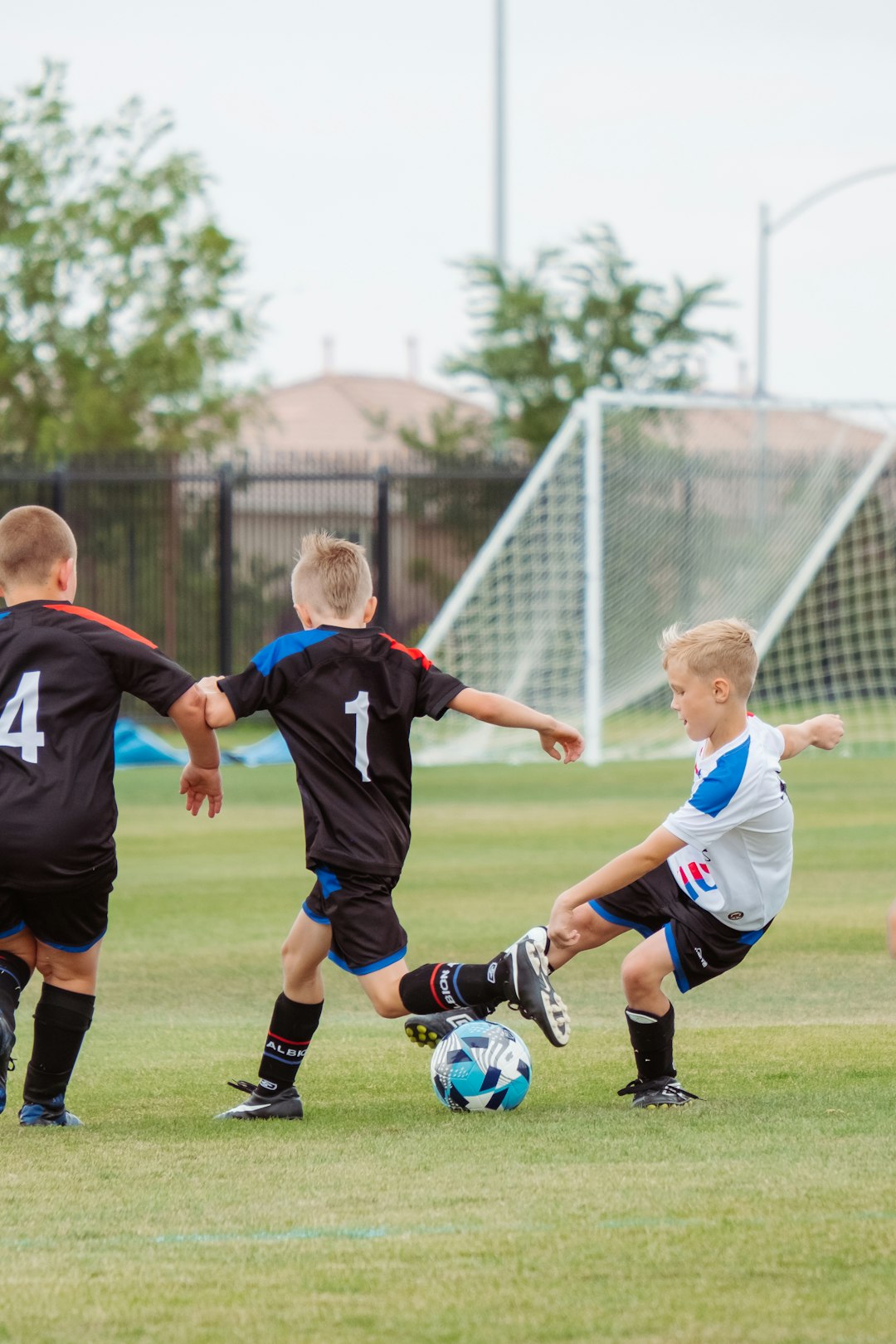
When Does Specialization Actually Make Sense?
Age matters. The AAP and most sports medicine bodies use mid-adolescence — around 15 to 16 — as the reasonable threshold for narrowing focus to a single sport for those who want to pursue competitive goals. Before puberty, the physical and psychological costs of single-sport training tend to outweigh the benefits for almost all athletes in almost all sports.
Sport type matters too. A small number of disciplines — artistic gymnastics and figure skating are the clearest examples — have competitive windows that genuinely require early entry. In these sports, the physical demands of elite performance are best learned during specific developmental windows, and the sports themselves often have structured pathways that reflect this. Outside of these outliers, the ‘specialize early or fall behind’ narrative is not well-supported by evidence.
Your child’s motivation matters most. One of the clearest predictors of sustainable sport participation is whether the drive to train and compete comes from the child rather than from parents or coaches. If your 12-year-old is asking to train more in one sport because they love it, that’s different from agreeing to more training to meet parental expectations or social pressure. Check in honestly — not just ‘do you want to keep playing?’ but ‘what do you love about it? What would you change?’
Practical Guidelines and Common Mistakes to Avoid
Use the ‘hours equal age’ rule as a rough ceiling. Current guidelines from sports medicine experts suggest that a child’s total organized sport activity per week — across all sports — should not exceed their age in hours, with a hard cap around 16 hours per week for older teens. This isn’t a precise prescription, but it’s a useful gut-check when a schedule starts to feel excessive.
Build in a true off-season. Guidelines recommend that young athletes take at least three to four months per year away from any single sport’s structured training. This rest period is not lost time — it allows physical recovery, prevents overuse cycles, and sustains motivation. A common mistake is eliminating the off-season in the name of ‘getting ahead,’ when in fact it often leads to injury or burnout that costs far more time.
Watch for burnout signals actively. Key warning signs include declining performance despite consistent training, frequent illness or injury, sleep disruption, loss of appetite, mood changes (irritability, withdrawal, anxiety), and expressed reluctance to attend practice or games from a child who previously loved going. These signals deserve a real conversation, not just encouragement to push through.
Resist financial sunk-cost pressure. Travel team fees, equipment costs, and private coaching are real investments, and it is natural to feel that stepping back wastes that spending. But doubling down on a path that is harming your child’s health or joy in sport is a far greater loss. The goal is a child who loves physical activity for life — not a teenager who retires at 16.
Talk to your child’s pediatrician or a sports medicine physician if you are uncertain. They can assess physical development, flag early overuse patterns, and give personalized guidance that accounts for your child’s age, sport, and training load.
Explore more: More Parent Guides on SportSteps.
Early Specialization vs. Multi-Sport FAQs
At what age is it okay for a child to specialize in one sport?
The American Academy of Pediatrics and most sports medicine experts recommend waiting until around age 15 or 16 for most sports. Before mid-adolescence, the risks of overuse injury and burnout outweigh the competitive benefits of early single-sport focus, and multi-sport participation generally builds a stronger overall athletic foundation.
Are there any sports where early specialization is necessary?
A small number of sports — most notably artistic gymnastics and competitive figure skating — have performance windows and skill-acquisition demands that often require earlier entry. For the vast majority of sports, including soccer, baseball, basketball, swimming, and tennis, early specialization is not required for elite-level achievement and carries significant downsides.
How do I know if my child is burning out from sports?
Key warning signs include a drop in performance despite continued training, frequent illness or new overuse injuries, trouble sleeping, appetite changes, mood shifts like irritability or withdrawal, and a reluctance to attend practices or games they previously enjoyed. If you notice several of these together, take them seriously — schedule time off and have an open, low-pressure conversation with your child about what they actually want.
Level Up With SportsSteps
Track your athlete’s progress, connect with coaches and your team, and grow — get the SportsSteps app. Get the SportsSteps App.
Photo by Robert Collins on Unsplash.