
Strength training rules by age group protect young athletes from injury while building the foundation for lifelong athletic performance. The myth that lifting weights stunts growth has been debunked for decades, but that doesn’t mean kids should follow adult programs. The rules below break down age-appropriate strength work from age 7 to 17, including what to focus on, what to avoid, and how to scale intensity safely.
Ages 7-10: Bodyweight and Movement Mastery

For ages 7-10, strength training rules by age group start with one principle: no external weight. Period. This age range should focus on bodyweight movements like squats, push-ups, lunges, planks, and animal walks (bear crawls, crab walks). The goal is movement quality, coordination, and basic strength patterns.
Sessions should be 20-30 minutes, 2-3 times per week, and feel like play. Obstacle courses, gymnastics, climbing, and jumping develop strength better than any structured program at this age. According to the American Academy of Pediatrics, kids in this age range should avoid maximal lifts and focus on building general athleticism.
The biggest mistake parents make: pushing too much structure too early. Let kids run, jump, climb, and play. Coordination built now pays off massively later.
Ages 11-13: Introduction to Light Resistance
Around age 11-13, kids can begin learning basic barbell and dumbbell movements with very light loads. The focus is technique — never weight on the bar. Goblet squats, kettlebell deadlifts, push-ups, pull-ups, and dumbbell rows are perfect.
Sessions are 30-40 minutes, 2-3 times per week. Reps stay in the 8-15 range with weights light enough to maintain perfect form. No max-effort lifting at this age. The growth plates are still developing, and joint stability matters more than absolute strength.
For more on building the athletic foundation that supports strength training, see our warm-up routines for youth sports practice.
A great rule for this age range: if form breaks down, the set is over. No exceptions. Kids who learn to stop a set when form fails build lifelong injury-free training habits.
Ages 14-15: Real Strength Development Begins
Ages 14-15 mark the transition to real strength training. Athletes can start lifting heavier loads in compound movements (squat, deadlift, bench press, overhead press) with proper supervision. Reps drop to the 5-10 range. Programs become more structured.
Sessions can extend to 45-60 minutes, 3-4 times per week. Athletes should still avoid max-effort lifts and 1-rep-max testing. The focus is consistent progression with weights they can control through full range of motion.
According to the National Strength and Conditioning Association, properly supervised resistance training is safe and effective for kids and teens, and is associated with reduced injury rates in youth sports.
This is also when sport-specific strength work becomes valuable. Sprinters benefit from explosive lifts, swimmers from pulling movements, and team-sport athletes from rotational and unilateral work.
Ages 16-17: Adult-Level Programming With Caution
By 16-17, most athletes can follow adult-level programming with appropriate volume and intensity for their level. Compound movements get heavier, accessory work becomes more sophisticated, and athletes can begin testing 1-rep maxes under coach supervision.
Sessions run 60-75 minutes, 3-5 times per week depending on sport demands. Athletes should still avoid extreme bodybuilding-style high-volume programs that overload developing bodies. Recovery matters more than ever — sleep, nutrition, and rest days drive adaptation.
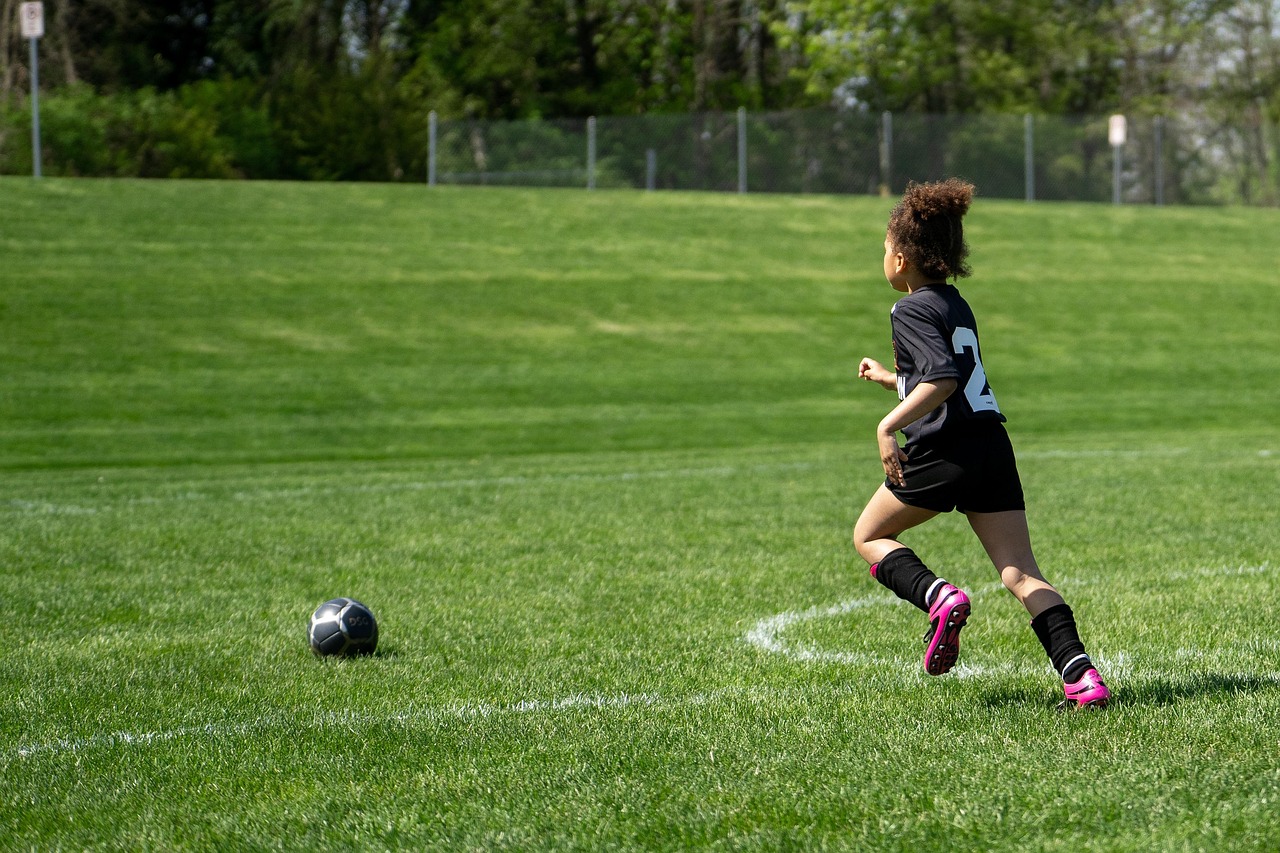
Pair strength work with our ACL injury prevention exercises for youth to build the joint stability that protects athletes through high school competition.
General Rules for Every Age Group
Some rules apply across all ages. Always warm up with 10 minutes of dynamic movement before lifting. Always train under qualified supervision until technique is solid. Always prioritize compound movements over isolation work. And always — always — prioritize technique over weight.
The biggest predictor of long-term success in strength training isn’t talent or genetics. It’s consistency without injury. Kids who train smart from age 8 to 18 build a 10-year foundation that takes them anywhere they want to go athletically.
Pair this guidance with our advice on building confidence in young athletes so kids approach the weight room with the right mindset — work hard, train smart, respect the process.
Frequently Asked Questions
Will lifting weights stunt my child’s growth?
No. This myth has been debunked by decades of research. Properly supervised strength training is safe and beneficial for kids.
At what age can my child start using barbells and dumbbells?
Around age 11-13 for basic movements with very light loads. Heavier work begins around 14-15 with proper coaching.
How many days a week should young athletes lift?
2-3 sessions per week for ages 7-13, scaling to 3-5 sessions for ages 14+. Recovery between sessions is critical.
Should kids do max-effort lifts or test 1-rep maxes?
No, not until age 16-17 with proper supervision. Earlier max testing risks injury without meaningful benefit.
What’s the most important strength training rule for young athletes?
Form before weight, always. A perfectly executed bodyweight squat builds more long-term strength than a sloppy heavy one.
1 thought on “9 Smart Strength Training Rules by Age Group (Ages 7-17)”