
Pre-game mental routines for young athletes can mean the difference between a player who freezes under pressure and one who shows up ready. Mental preparation isn’t woo-woo — it’s a teachable set of actions that calm nerves, sharpen focus, and put the body into a performance state. Pro athletes use these routines religiously. Kids can learn them too, and the earlier they start, the more naturally these habits transfer into adult performance. Here are eight routines coaches and parents can teach in five minutes.
Why Mental Routines Matter for Kids
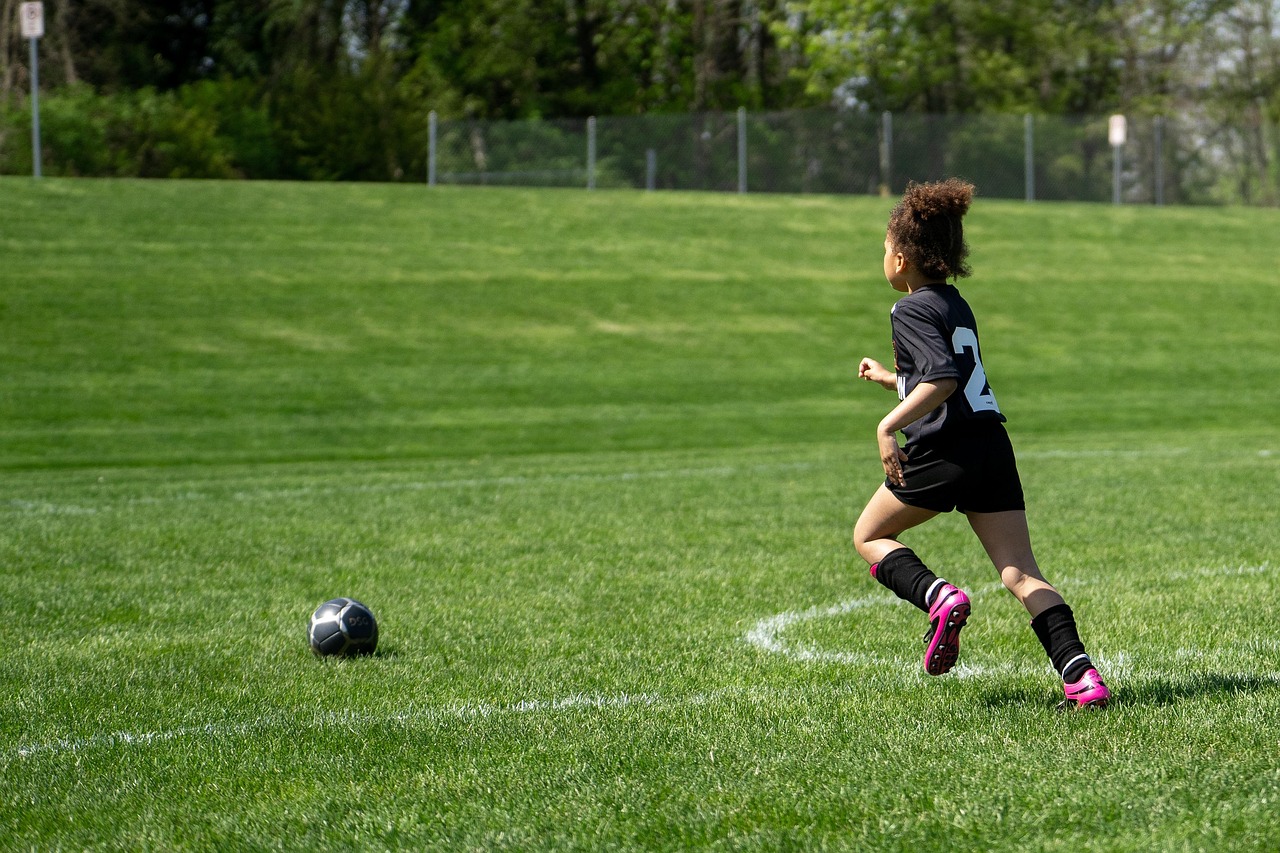
Youth sports have become more pressurized — bigger crowds, travel teams, social media. Per the American Academy of Pediatrics resources on healthy active living, performance anxiety affects a meaningful percentage of competitive youth athletes by age 12. A simple, repeatable pre-game routine gives kids something to focus on instead of the nerves.
Routines work because they create a sense of control. Even when the game outcome is unpredictable, the routine is not.
Routine 1-3: 24 Hours Before
The first three pre-game mental routines for young athletes happen the day before. Visualization session (10 minutes): the athlete sits quietly and mentally walks through the game — making good plays, recovering from mistakes, hearing the crowd. Goal setting: write down one process goal (something they control, like “5 strong outlet passes”) and one team goal. Sleep prep: lights out 30 minutes earlier than usual, screens off, no caffeine after 4pm.
Pair this with the broader confidence work in our building confidence in young athletes guide. Confidence is built by repetition long before game day.
Routine 4-5: 2-3 Hours Before
Pre-game meal (3 hours out): moderate carbs, lean protein, low fat, low fiber. Think rice and grilled chicken, not a burger. Music with intent: create a playlist with 4-5 songs that match the desired energy state. Some kids need pump-up music; others need calming music. The right answer is whatever produces focus.
The U.S. Olympic and Paralympic Committee sports performance resources note that elite athletes often use the same playlist for every competition because the consistency itself becomes part of the calming effect.
Routine 6-7: At the Venue
The arrival walk: when the athlete reaches the field or court, do one slow lap looking around — taking in the surroundings, the lights, the crowd. This neurologically processes the environment so it stops being distracting. Box breathing: four seconds in, four seconds hold, four seconds out, four seconds hold. Repeat for two minutes. This activates the parasympathetic nervous system and lowers heart rate.
These routines work especially well combined with a structured physical warm-up routine for youth sports practice.
Routine 8: The Cue Phrase
The final routine is the simplest and most powerful. Choose a three-word cue phrase and repeat it during the warmup, just before kickoff/tipoff/first pitch. Something like “calm and aggressive,” “trust the work,” or “first one strong.” The phrase becomes a mental anchor — when nerves spike during the game, the kid returns to it and refocuses.
Pre-game mental routines for young athletes work because they’re rehearsed. Practice the routine in low-stakes games before relying on it for state finals. After a season, the routine becomes automatic and the mental edge becomes part of who the athlete is.
Final Tips for Coaches and Parents
Don’t overload kids — pick three or four routines, not all eight. Ages 8-11 can usually handle visualization, music, and a cue phrase. Older athletes (13+) can layer in box breathing, the arrival walk, and structured goal-setting. Most importantly, model calm yourself. Kids feel parental anxiety like radar; if you’re tight, they’re tight. Keep car-ride conversations light, focus on effort over outcome, and trust the routine to do its job.
Frequently Asked Questions
At what age should we introduce pre-game mental routines for young athletes?
Simple visualization and cue phrases can start at age 8. More structured routines like box breathing fit best for ages 11+.
How long until mental routines become effective?
Most kids notice a difference within 4-6 games of consistent use. Full automaticity usually takes a season.
What if my child resists doing the routines?
Don’t force it — kids who feel pressured to prepare just add a layer of stress. Suggest one element (music or breathing) and let them adopt the rest organically.
Should I do mental routines before practice too?
Light versions help — a quick cue phrase, deep breaths in the car. Save the full routine for games to keep it fresh.
Are these routines different for individual vs. team sports?
The principles are the same. Individual athletes (tennis, swim, track) often have more time to execute the full routine, while team athletes may compress it into 20-30 minutes pre-game.
1 thought on “8 Essential Pre-Game Mental Routines for Young Athletes”