
Youth baseball hitting drills are the foundation of every great batter’s development. Hitting a baseball is one of the hardest skills in all of sports — a round bat meeting a round ball traveling at speed requires timing, mechanics, and thousands of repetitions. The right youth baseball hitting drills build proper swing mechanics, hand-eye coordination, and confidence at the plate from an early age.
The Fundamentals of a Good Youth Swing
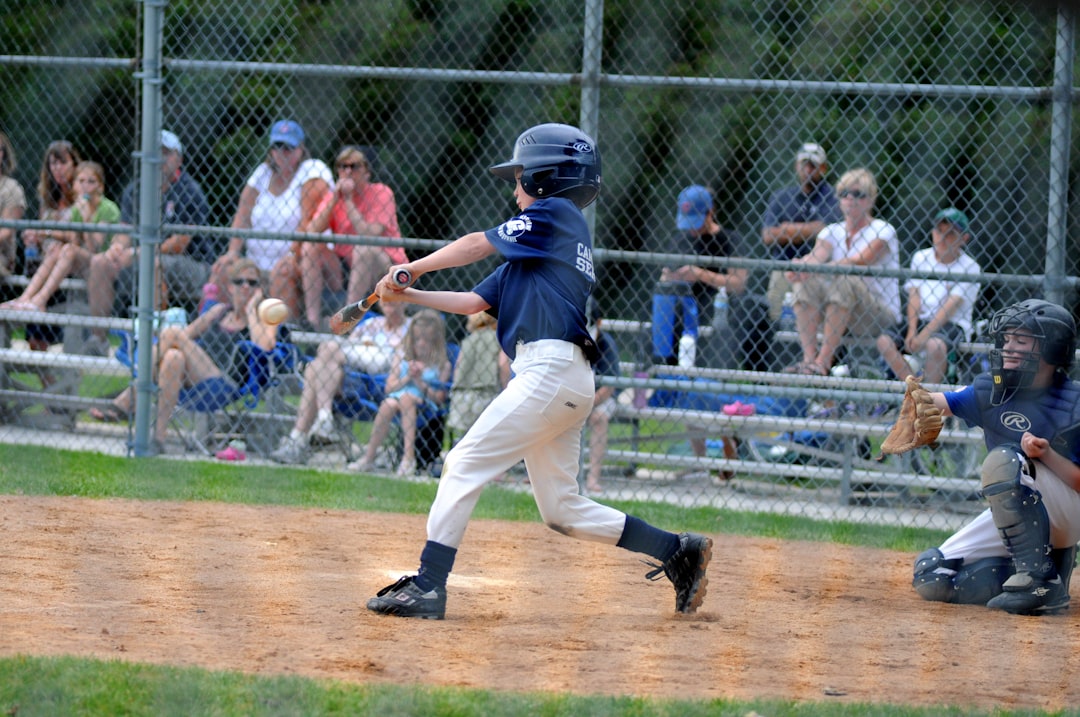
Before diving into youth baseball hitting drills, it’s important to understand what a proper swing looks like for young players:
- Stance: Feet shoulder-width apart, slight bend in the knees, weight balanced on the balls of the feet
- Grip: Knocking knuckles aligned, relaxed grip — squeezing too hard kills bat speed
- Load: Small weight shift back as the pitcher begins their motion
- Stride: Short, controlled step toward the pitcher — not a lunge
- Rotation: Hips lead the swing, hands follow — power comes from the core, not the arms
- Contact: See the ball hit the bat, keep the head still through contact
- Follow-through: Full extension through the ball, bat wraps around the body naturally
Every one of the youth baseball hitting drills below reinforces these fundamentals through targeted repetition.
8 Essential Youth Baseball Hitting Drills
1. Tee Work with Purpose
The batting tee isn’t just for beginners — it’s the most important training tool at every level. Place the tee at different heights and positions (inside, middle, outside) and focus on driving the ball to the correct field. Inside pitch = pull side. Outside pitch = opposite field. This is the foundational youth baseball hitting drill.
Reps: 3 sets of 10 swings at each position (inside, middle, outside)
2. Soft Toss
A partner kneels at a 45-degree angle and tosses balls into the hitting zone. The hitter focuses on tracking the ball from the tosser’s hand to the bat. Soft toss allows high-volume repetitions with a moving ball, bridging the gap between tee work and live pitching.
Reps: 3 sets of 15 swings
3. Front Toss
Similar to soft toss, but the tosser stands 15-20 feet in front behind an L-screen. This simulates a more realistic pitch angle and gives the hitter practice tracking a ball coming from the pitcher’s direction. One of the most effective youth baseball hitting drills for game preparation.
Reps: 3 sets of 10 swings
4. One-Hand Drills
Swing with only the top hand, then only the bottom hand. These isolation drills develop hand strength, bat control, and the proper role each hand plays in the swing. Top hand drives through the ball; bottom hand guides and supports.
Reps: 2 sets of 10 per hand
5. High Tee / Low Tee Adjustments
Alternate the tee between high and low positions within the strike zone. The hitter must adjust their swing plane for each — slightly upward for low pitches, level through high pitches. This trains the adaptability that youth baseball hitting drills must develop for game situations.
Reps: 20 alternating swings
6. Colored Ball Tracking
Use different colored balls (or mark balls with colored dots). The tosser shows the ball briefly and the hitter must call out the color before swinging. This trains pitch recognition and forces the hitter’s eyes to track the ball more closely. According to Little League International, visual tracking is one of the most undertrained skills in youth baseball.
Reps: 15-20 tosses per round
7. Walk-Up Drill
The hitter starts 5 feet behind the batter’s box and walks forward into their stance as the pitch is tossed. This drill creates rhythm and momentum, preventing the common youth problem of being too stiff and static at the plate.
Reps: 10-15 swings
8. Two-Strike Approach Drill
With a simulated two-strike count, the hitter chokes up slightly and focuses on putting the ball in play — no big swings, just contact. This trains the situational awareness and bat control that separates good youth hitters from great ones.
Reps: 10 swings with a focus on line drives and ground balls
Common Hitting Mistakes in Youth Baseball
Youth baseball hitting drills should actively correct these common mistakes:
- Stepping out (away from the plate) — caused by fear of the ball. Use soft toss drills to build confidence
- Dropping the hands — leads to uppercuts and pop-ups. Tee work at chest height corrects this
- Lunging — overstriding kills power and timing. Use the walk-up drill to develop controlled strides
- Head movement — the head pulls off the ball during the swing. Front toss with tracking focus corrects this
- All arms, no hips — common in young hitters. One-hand drills and dry swings with hip rotation emphasis fix this
Building a Weekly Hitting Practice Schedule
For youth players ages 8-14, USA Baseball recommends this balanced approach:
- Monday: Tee work (30 swings) + soft toss (30 swings)
- Wednesday: Front toss (30 swings) + colored ball tracking (20 reps)
- Friday: One-hand drills (20 per hand) + two-strike approach (15 swings)
- Daily: 50 dry swings focusing on mechanics (no ball, just the swing)
Total weekly swings stay manageable while covering every aspect of hitting development. Youth baseball hitting drills are most effective when practiced consistently — 15-20 minutes of focused work beats an hour of unfocused cage time.
Equipment Needed for Home Practice
You can run effective youth baseball hitting drills with minimal equipment:
- Batting tee ($25-50) — the single most important piece of equipment
- Bucket of practice balls ($15-30) — wiffle balls work for backyard drills
- Net or backstop ($40-100) — prevents chasing balls and enables solo practice
- Bat — make sure it’s the correct size and weight for your player
Youth baseball hitting drills don’t require a fancy facility. A backyard, a garage, or a park with a net provides everything a young hitter needs to develop their swing.
Frequently Asked Questions
What are the best hitting drills for youth baseball?
The best youth baseball hitting drills include tee work at multiple positions, soft toss, front toss, one-hand isolation drills, and colored ball tracking for pitch recognition. These drills build proper mechanics, hand-eye coordination, and confidence through high-repetition practice.
How many swings should a youth baseball player take per day?
Youth players ages 8-14 should take 50-100 quality swings per practice session, plus 50 dry swings focusing on mechanics. USA Baseball recommends 3-4 practice sessions per week with rest days between. Quality and focus matter more than volume.
At what age should kids start batting practice?
Kids can start basic youth baseball hitting drills with a tee as early as age 4-5. Soft toss becomes appropriate around age 6-7. Front toss and machine pitching can begin at age 8-9, and live pitching practice typically starts around age 9-10 depending on the player’s readiness.
How do I fix my child’s baseball swing?
Start with tee work to isolate and correct specific problems. Common fixes include keeping the head still through contact, using the hips to generate power instead of just arms, and taking a short controlled stride instead of lunging. Youth baseball hitting drills that isolate one skill at a time are the most effective way to fix swing issues.