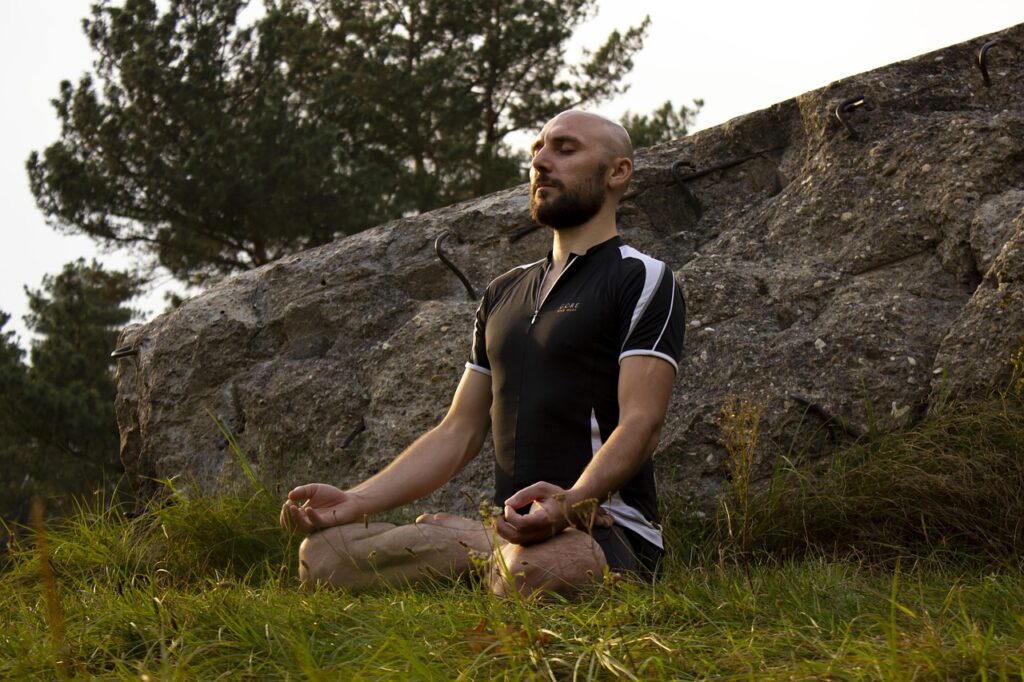
More Than Physical Training
Athletic performance is about more than physical ability. Mental toughness is often what separates good athletes from great ones. Confidence, focus, and resilience don’t just happen naturally—they’re skills that can be trained.
Building Confidence as an Athlete
Techniques like visualization, journaling, and affirmations are powerful tools. Visualization, for example, allows athletes to mentally rehearse a successful performance, making it feel familiar when it happens in real life. Journaling can help athletes reflect on progress, while affirmations keep their mindset positive.
The Role of Coaches
Coaches have a unique opportunity to build confidence by fostering a growth mindset. This means encouraging effort and improvement, rather than just results. Praising persistence, celebrating small wins, and creating a supportive environment helps athletes believe in their ability to grow.
Parents and Fans: Encouragement Matters
Parents and fans can help by keeping feedback positive and constructive. Instead of saying, “Why didn’t you make that play?” try “I loved how hard you worked out there.” Shifting the focus to effort over outcome reinforces resilience and long-term confidence.
Lessons from the Pros
Many professional athletes credit mental training as a turning point in their careers. From NBA stars practicing mindfulness to Olympians using sports psychologists, the emphasis on mental preparation is growing.
Takeaway: Confidence isn’t just natural—it’s trained. And the mental game can be the edge that sets an athlete apart.