
Soccer training drills for kids should be fun, fast-paced, and focused on building the fundamentals that matter most. Whether your child is just starting or already playing on a club team, the right soccer training drills for kids develop ball control, passing accuracy, shooting confidence, and game awareness — all while keeping them engaged and wanting more. Here are 10 proven drills that coaches and parents can run anywhere with minimal equipment.
Why Good Drills Matter More Than Scrimmages
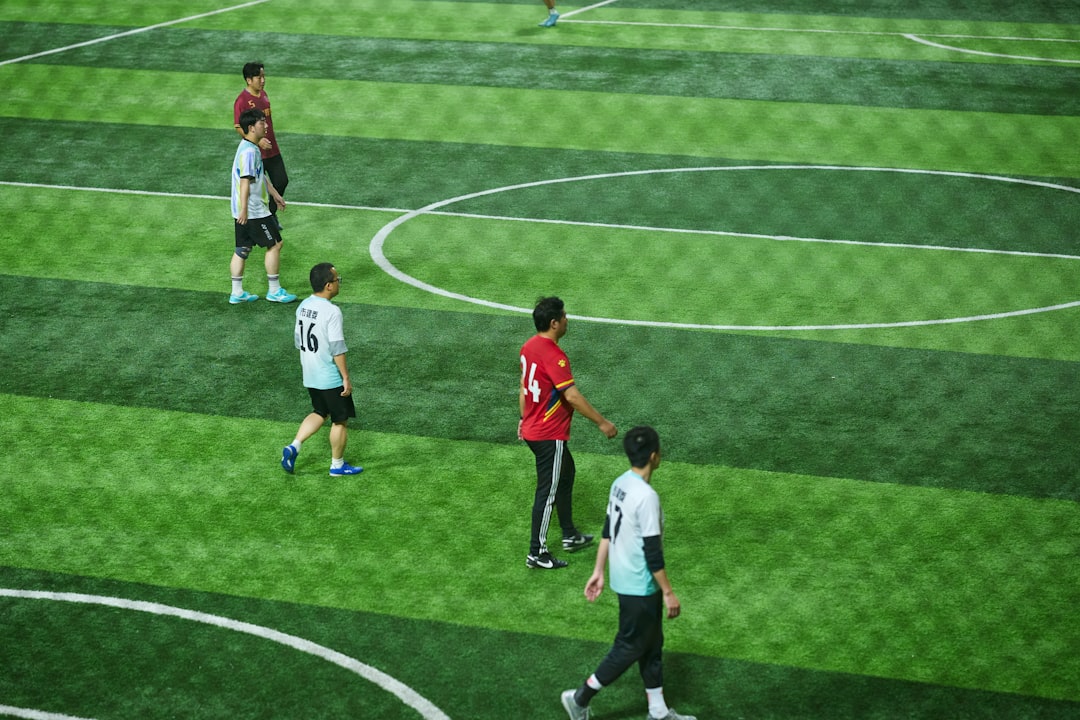
Many youth soccer programs spend too much time scrimmaging and not enough time on structured soccer training drills for kids. Scrimmages are fun, but they don’t isolate the specific skills that need repetition to improve. A player might touch the ball 10 times in a 30-minute scrimmage, but 100 times in a 10-minute drill.
The best soccer training drills for kids follow a simple formula: high repetitions, short duration, progressive difficulty, and a competitive element that keeps energy high. According to US Soccer’s development guidelines, players under 12 should spend at least 60% of practice time on individual skill development rather than team tactics.
10 Essential Soccer Training Drills for Kids
1. Cone Dribbling Slalom
Set up 8-10 cones in a line, 3 feet apart. Players dribble through using alternating feet — right foot around one cone, left foot around the next. Time each run and challenge players to beat their personal best.
Skills developed: Close ball control, weak foot confidence, change of direction
2. Wall Pass and Move
Pair players up 10 yards apart with a cone between them. Player A passes to Player B, then sprints around the cone to receive a return pass in a new position. Repeat continuously for 60 seconds.
Skills developed: Passing accuracy, first touch, movement off the ball
3. Four-Corner Shooting
Set up four cones in a square around the penalty area. Players start at different corners and take turns receiving a pass and shooting within 2 touches. Rotate positions after each round.
Skills developed: Shooting technique, first touch under pressure, positioning
4. Shark Attack (Dribbling Game)
Mark a large square. All players dribble inside the square while 1-2 “sharks” try to kick balls out. If your ball leaves the square, you become a shark. Last player dribbling wins.
Skills developed: Ball protection, awareness, dribbling under pressure
5. Triangle Passing
Three players form a triangle 10-15 yards apart. Pass around the triangle using two touches — one to control, one to pass. Progress to one-touch passing, then add a defender in the middle.
Skills developed: Passing rhythm, communication, spatial awareness
6. 1v1 to Goal
Set up a small goal with a line of attackers and a line of defenders. The attacker tries to beat the defender and score. Switch roles after each attempt. Keep score to add competition.
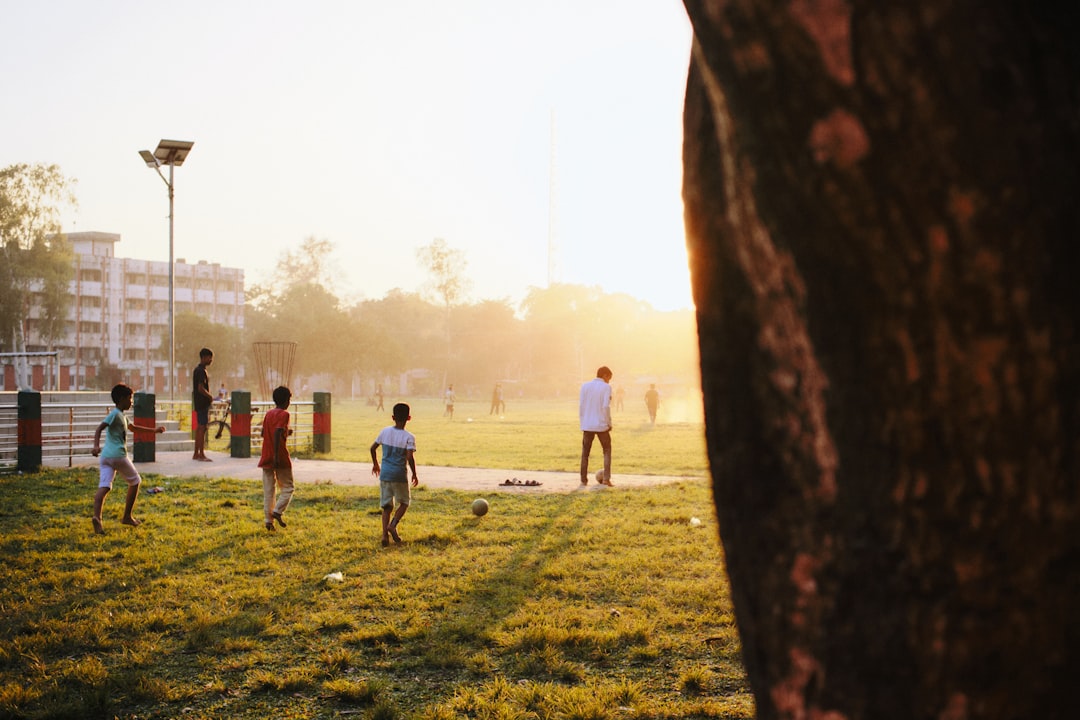
Skills developed: Dribbling confidence, defensive positioning, finishing
7. Juggling Challenges
Start with thigh juggles, progress to feet, then alternate. Set targets: 5 in a row, then 10, then 20. Make it competitive — who can hit the target first? Juggling is one of the most effective soccer training drills for kids because it builds touch and coordination rapidly.
Skills developed: Ball control, coordination, concentration
8. Gate Passing
Set up pairs of cones (“gates”) scattered across the field. In pairs, players must pass through as many gates as possible in 2 minutes. The ball must go through the gate to count — no dribbling through.
Skills developed: Passing accuracy, vision, communication
9. Rapid Fire Finishing
Line up 5 balls at the edge of the box. On “go,” the player shoots all 5 balls as quickly as possible, alternating feet. Count goals out of 5 and track improvement over weeks.
Skills developed: Shooting power, accuracy, composure
10. Small-Sided Games (3v3 or 4v4)
The single most effective training format for youth soccer. Small-sided games force more touches, more decisions, and more involvement than full-sided matches. Use small fields and small goals. No goalkeepers — everyone attacks and defends. This is the gold standard among soccer training drills for kids.
Skills developed: Game intelligence, decision-making, all fundamental skills
How Often Should Kids Practice Soccer?
The American Academy of Pediatrics recommends that young athletes not exceed more hours per week in organized training than their age. A 10-year-old should train no more than 10 hours per week across all activities.
For recreational players, 2-3 structured sessions per week plus free play is ideal. For competitive players, 3-4 sessions plus matches. The key is consistency over intensity — regular practice with quality soccer training drills for kids produces faster improvement than occasional marathon sessions.
Tips for Parents Running Drills at Home
You don’t need a full team to practice. Many of these soccer training drills for kids work with just one or two players:
- Use a wall as a passing partner for wall passes and first-touch work
- Keep sessions short — 20-30 minutes of focused drills beats an hour of unfocused kicking
- Celebrate effort over results — praise the attempt, not just the goal
- Make it competitive — time everything, keep score, challenge personal bests
- End on a high note — finish with their favorite drill or a shooting exercise
Soccer training drills for kids work best when they don’t feel like work. Keep the energy positive, the pace high, and the fun front and center.
Frequently Asked Questions
What are the best soccer drills for beginners?
The best soccer training drills for kids who are beginners include cone dribbling slaloms for ball control, wall passes for passing accuracy, juggling challenges for coordination, and small-sided games (3v3 or 4v4) for overall development. Start with simple drills and add difficulty as skills improve.
How long should soccer practice be for kids?
For kids under 10, soccer practice should be 45-60 minutes. For ages 10-14, sessions of 60-90 minutes are appropriate. The American Academy of Pediatrics recommends that weekly training hours should not exceed the child’s age. Quality and engagement matter more than duration.
Can kids practice soccer drills alone?
Yes. Many soccer training drills for kids work solo including cone dribbling, juggling, wall passes, and shooting practice. A wall or rebounder substitutes for a passing partner, and cones or markers create dribbling courses. Solo practice builds individual technique that transfers directly to team play.
At what age should kids start soccer training?
Kids can start basic soccer play and fun drills as early as age 3-4. Structured soccer training drills for kids become appropriate around age 5-6. Competitive training typically begins at age 8-10. At all ages, the focus should be on fun, skill development, and love of the game rather than winning.