
How to choose the right sport for your child is one of the most common questions parents face, and getting it right can shape your kid’s relationship with physical activity for life. The wrong fit leads to burnout, frustration, and quitting. The right fit builds confidence, friendships, discipline, and a love of movement that lasts decades. This guide helps you navigate how to choose the right sport for your child based on their personality, body type, interests, and your family’s situation.
Why the Right Sport Matters So Much

Research from the Aspen Institute’s Project Play shows that 70% of kids drop out of organized sports by age 13. The number one reason? It stopped being fun. In most cases, the sport wasn’t the right match for the child’s personality, abilities, or development stage.
When you know how to choose the right sport for your child, you dramatically increase the odds they’ll stick with it. Kids who enjoy their sport practice more willingly, handle setbacks better, and develop the intrinsic motivation that drives long-term athletic development.
5 Factors to Consider When Choosing a Sport
1. Your Child’s Personality
This is the most overlooked factor in how to choose the right sport for your child. Personality fit matters more than physical ability at young ages:
- Social, team-oriented kids thrive in soccer, basketball, baseball, and volleyball where collaboration and camaraderie drive the experience
- Independent, self-motivated kids often prefer swimming, tennis, golf, martial arts, or track where individual progress is the focus
- High-energy, fearless kids gravitate toward hockey, lacrosse, skateboarding, and gymnastics where intensity and physicality are features
- Creative, artistic kids may love figure skating, gymnastics, dance, or martial arts where expression and form matter
- Competitive, driven kids excel in sports with clear scoring and rankings — tennis, swimming, wrestling, track
2. Physical Build and Abilities
While body type shouldn’t be the only factor, it naturally influences where kids find early success:
- Tall and lean: Basketball, volleyball, swimming, track
- Stocky and strong: Football, wrestling, hockey, rugby
- Small and quick: Soccer, gymnastics, martial arts, tennis
- Flexible and coordinated: Gymnastics, dance, figure skating, diving
- Endurance-oriented: Cross country, swimming, cycling, soccer
Remember — these are tendencies, not rules. Plenty of shorter basketball players and taller gymnasts have excelled by leveraging their unique attributes.
3. Age and Development Stage
The American Academy of Pediatrics provides clear guidance on age-appropriate sports:
- Ages 3-5: Focus on free play and basic movement skills — running, jumping, throwing, catching. Structured sports should be minimal and entirely play-based
- Ages 6-8: Introduction to organized sports with emphasis on fun, skill sampling, and trying multiple sports
- Ages 9-11: Kids begin to identify preferences and develop sport-specific skills. Multi-sport participation is still strongly recommended
- Ages 12-14: Specialization may begin for motivated athletes, but multi-sport participation through age 14 produces better long-term outcomes
4. Family Logistics
Be honest about practical factors that affect sustainability:
- Schedule: How many practices and games per week? Does it conflict with school, family time, or other activities?
- Cost: Equipment, league fees, travel, and private lessons add up. Sports like soccer and running are affordable; hockey and equestrian are expensive
- Location: Is the practice facility convenient? Long commutes lead to burnout for the whole family
- Season: Year-round sports demand more commitment than seasonal ones. Starting with a seasonal sport reduces pressure
5. Your Child’s Input
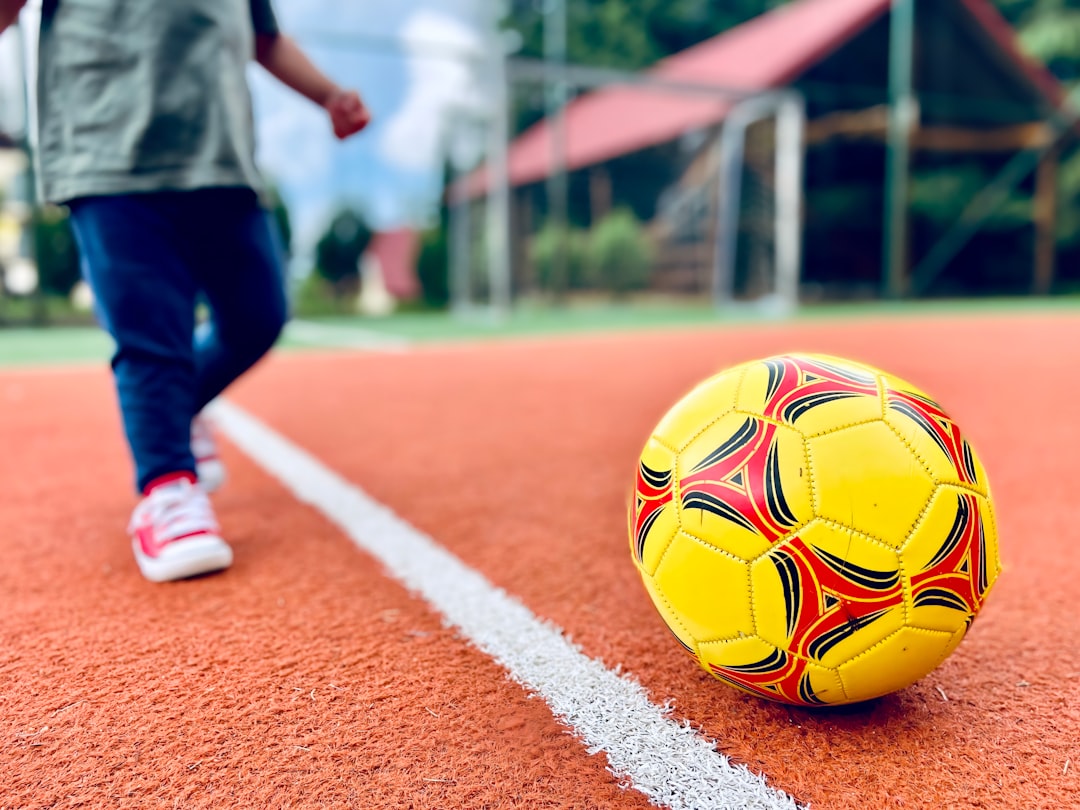
The most important factor in how to choose the right sport for your child is simple: ask them. What do their friends play? What looks fun to them? What do they watch and talk about? Forced participation breeds resentment. Guided choice builds ownership.
Let them try a sport for a full season before deciding. First impressions aren’t always accurate — many kids who resist initially end up loving a sport once they develop basic competence and friendships.
The Multi-Sport Advantage
The single best approach for kids under 12 is playing multiple sports. Multi-sport athletes develop:
- Broader athletic skills that transfer across sports
- Reduced overuse injuries from varied movement patterns
- Better long-term performance — studies show multi-sport athletes outperform early specialists by high school
- Lower burnout rates from variety and fresh challenges
- More social connections across different teams and communities
Elite athletes including LeBron James, Tom Brady, and Patrick Mahomes all played multiple sports growing up. Early specialization is the exception among professional athletes, not the rule.
Sports Matched to Common Kid Profiles
“My kid has endless energy and can’t sit still” Try: Soccer, swimming, basketball, track, martial arts
“My kid is cautious and prefers individual control” Try: Tennis, golf, swimming, martial arts, archery
“My kid loves being part of a group” Try: Baseball, volleyball, basketball, cheerleading, soccer
“My kid is competitive and hates losing” Try: Wrestling, tennis, swimming (individual events), martial arts — sports where they control the outcome directly
“My kid isn’t naturally athletic but wants to try” Try: Bowling, golf, martial arts, swimming, cycling — sports where technique and practice matter more than raw athleticism
When to Let Your Child Quit
Knowing how to choose the right sport for your child also means knowing when a sport isn’t working. It’s okay to move on if:
- They dread every practice after giving it a full season
- The coaching environment is negative or overly pressured
- Physical pain from overuse persists
- Their mental health is suffering
It’s not okay to quit because of one bad game, a tough practice, or a conflict with a teammate. Teaching kids to work through temporary discomfort is part of the athletic experience.
The goal isn’t finding the one perfect sport — it’s helping your child discover that physical activity is enjoyable, rewarding, and something they want to do for life.
Frequently Asked Questions
At what age should a child start playing sports?
Children can begin basic, play-based sports activities at age 3-5. Organized sports with structured practices become appropriate around age 6-8. The focus at all early ages should be fun and movement skill development rather than competition or specialization.
Should my child play one sport or multiple sports?
Multiple sports is strongly recommended for children under 12. Multi-sport athletes develop broader skills, suffer fewer overuse injuries, experience less burnout, and research shows they outperform early specialists by high school. Specialization can begin at age 12-14 for motivated athletes.
How do I know if my child is in the right sport?
Signs your child is in the right sport include looking forward to practice, talking about the sport at home, showing improvement over time, building friendships on the team, and bouncing back from tough days. If they consistently dread practice after a full season, it may not be the right fit.
What is the best sport for an unathletic child?
Every child can find a sport they enjoy. Swimming, martial arts, golf, bowling, and cycling are excellent for kids who may not excel in traditional team sports. These activities emphasize technique and practice over raw athleticism and allow kids to progress at their own pace.